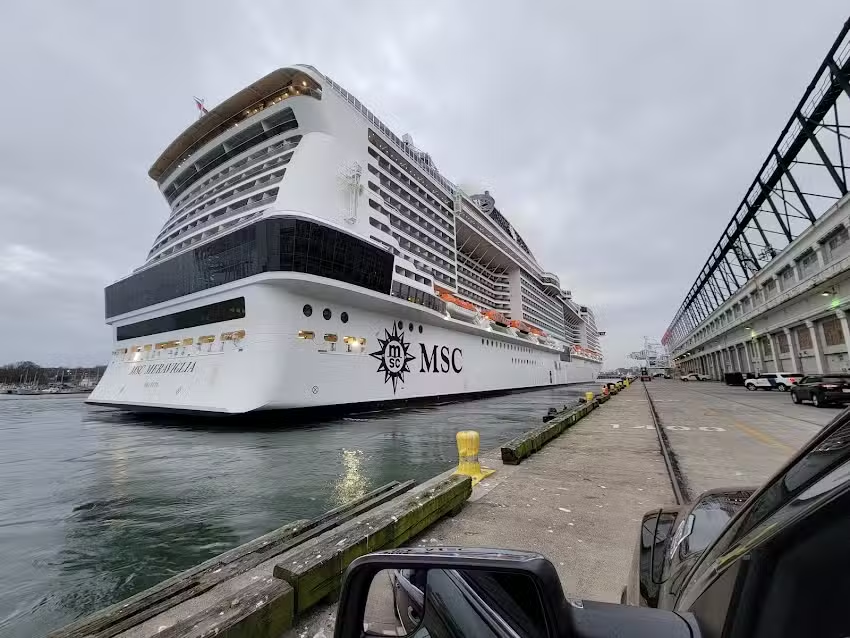
Flynn Cruiseport Boston Black Falcon Terminal
BackFlynn Cruiseport Boston at the Black Falcon Terminal serves as a critical departure point for numerous cruise vacation itineraries, particularly those heading to New England, Canada, and Bermuda. Operated by Massport, it facilitates travel for major lines like Norwegian, Holland America, and Royal Caribbean. However, prospective passengers should approach their departure day with a clear and realistic set of expectations. The experience at this terminal is a tale of two distinct realities: one of straightforward convenience and another of frustrating delays and dated processes.
The Arrival and Luggage Process
Getting to the terminal is generally uncomplicated. Located in Boston's Seaport District, it's a short distance from Logan International Airport, with taxis and rideshare services readily available. For those driving, off-site parking must be booked in advance, with shuttles provided to ferry passengers to the terminal entrance. Some travelers have also praised the enjoyable water taxi option from the airport, which offers a scenic and direct route. Upon arrival, the process deviates from what many seasoned cruisers might expect. Luggage drop-off is not always at the curb but may be situated in a specific area past the main entrance. While porters are available, the system can feel less streamlined than at larger, more modern ports. This initial step sets the tone for an experience that is functional but lacks the polish of major hubs in Florida or the Caribbean.
Inside the Terminal: The Embarkation Experience
Once inside, the terminal's character becomes apparent. Many describe it as a basic, no-frills facility. It serves its purpose of processing passengers but offers little in the way of amenities like extensive shopping or dining options. The building itself is a converted World War II warehouse, which explains its utilitarian design. While it's clean and staff are frequently described as pleasant and helpful, the operational flow can be a significant point of contention. The embarkation process is where the most significant issues arise.
The Good: When Things Go Smoothly
For some passengers, the journey from curb to ship is surprisingly swift. On less crowded days, travelers report moving through security and check-in with relative ease, sometimes in as little as half an hour. They find the signage to be clear and the staff helpful in directing them through the various stages. The security screening is similar to an airport, with carry-on scanners and metal detectors. Following this, passengers proceed to cruise line-specific counters for document verification and to receive their stateroom key cards. In these best-case scenarios, the terminal functions as an efficient conduit, getting people started on their cruise deals without unnecessary hassle. Luggage handling is also consistently noted as reliable, with bags arriving at staterooms promptly.
The Bad: Managing The Crowds and Delays
Unfortunately, the efficient experience is not universal. Overwhelmingly, feedback points to the potential for severe congestion and long waits, especially during peak times. Lines can snake outside the building, and some passengers have reported waiting for 90 minutes or more just to get through the initial queues. This issue seems to stem from a check-in process that feels more manual and slower-paced than what is found at newer facilities. Delays are often compounded by disorganized boarding calls, unclear instructions for filling out forms, and a confusing layout of queues that lack clear distinction. These problems are exacerbated when disembarkation from a previous cruise runs late, creating a bottleneck that prevents new passengers from even entering the building. Accessibility can also be a challenge; while an elevator is available, long waits are common for those with mobility issues who cannot use the escalators. The terminal does not provide wheelchairs, so these must be arranged directly through the cruise line in advance.
A Hub for Travel Planning and Regional Departures
Despite its operational inconsistencies, the Flynn Cruiseport's primary strength is its strategic location. For residents of the Northeast, it provides an invaluable alternative to flying, allowing them to begin their vacation packages without the stress of airports. The port is a key partner for any travel agency booking cruises to Canada and New England, offering itineraries that are unique to the region. The convenience of being able to drive or take a short flight to the port is a major selling point. Furthermore, the terminal's location in the vibrant Seaport District means passengers have access to excellent restaurants and attractions if they arrive with time to spare before their voyage.
Final Assessment for Travelers
Ultimately, Flynn Cruiseport Boston is a functional but flawed facility. It is not a destination in itself but a means to an end. Travelers setting sail from here should manage their expectations accordingly.
Key Takeaways:
- Be Prepared for Lines: Arrive with the mindset that you may have to wait. During peak season or on days with high passenger counts, the process can be slow. Don't expect the hyper-efficient, technologically advanced systems of the world's largest cruise port facilities.
- Consider Your Transportation: While parking is available, it requires pre-booking. A taxi or rideshare is often the most straightforward option, and travelers consistently recommend it over more expensive cruise line transfers.
- Pack Essentials in Your Carry-On: Due to potential delays in boarding, ensure medications, travel documents, and a change of clothes are with you.
- Don't Expect Luxury: The terminal is basic. Amenities are limited, so eat beforehand and don't plan on doing any last-minute shopping.
In conclusion, while the staff are often commended for their pleasant demeanor even under pressure, the terminal's infrastructure and processes struggle to keep pace with the demands of modern cruising. It serves its purpose as the gateway for fantastic Boston cruises, but the departure experience itself is unlikely to be a highlight of the trip. It's a practical starting point, but one that requires a healthy dose of patience.