Earthquake Lake Visitor Center
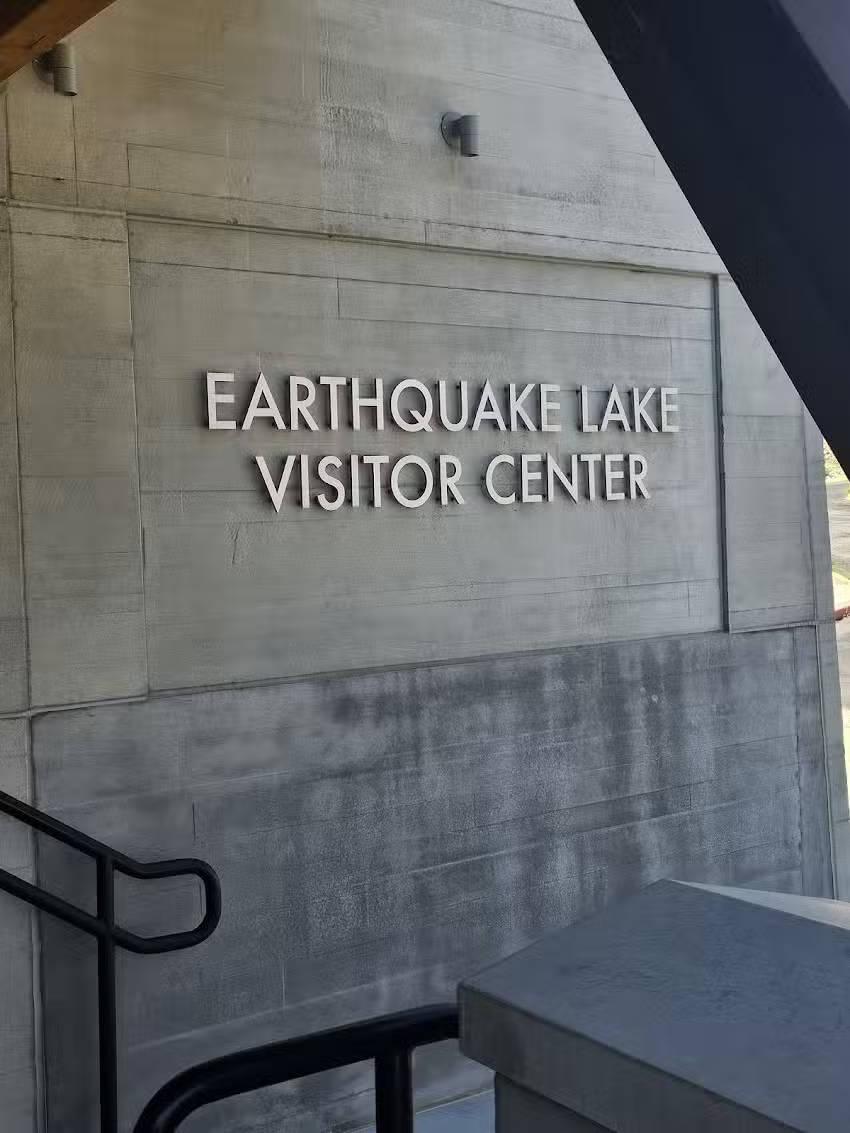
BackThe Earthquake Lake Visitor Center, operated by the U.S. Forest Service in Cameron, Montana, presents a unique case for travelers. For decades, it stood as a highly-rated institution, not as a conventional travel agency that books flights and hotels, but as a profound interpretive site dedicated to a single, cataclysmic event. However, prospective visitors must be aware of a significant recent development: the original structure, which garnered a stellar 4.8-star rating from over 400 visitors, has been demolished. This decision was not made lightly but was a direct consequence of the very geology it was built to commemorate.
Situated directly on the massive rockslide triggered by the 1959 Hebgen Lake earthquake, the building itself became a long-term victim of the unstable ground. After years of settling and structural strain, it was deemed unsafe and was taken down in the fall of 2023. Therefore, while the destination remains a vital point of interest, the visitor experience has fundamentally changed. The praise found in historical reviews refers to a building and a set of indoor exhibits that no longer exist, a critical fact for anyone undertaking vacation planning for this region.
The Acclaimed Experience of the Original Center
To understand the value of this location, one must look at what the original center offered. It was a masterclass in educational tourism, providing context to the immense geological forces that reshaped the Madison River Canyon overnight. The centerpiece of the visit was often the 20-minute introductory video, which used historical footage and survivor accounts to vividly portray the night of August 17, 1959. This film was consistently highlighted by past visitors as a powerful and essential starting point.
Inside, the exhibits delved into the science of seismology, featuring a working seismograph that allowed people to see real-time geological tremors. This interactive element transformed abstract concepts into a tangible reality. The displays provided a comprehensive narrative of the earthquake, the resulting landslide that dammed the river to create Earthquake Lake, and the heroic rescue efforts that followed. The staff, comprised of knowledgeable Forest Service personnel, were frequently praised for their friendliness and ability to answer questions, adding a personal touch to the scientific information. This establishment excelled as a specialized tourist information center, focusing deeply on a single, compelling story.
Positive Aspects Beyond the Building
Despite the loss of the original structure, the primary draws of the location remain. The site's most powerful feature is its commanding view. From the overlook, you can witness the staggering scale of the event:
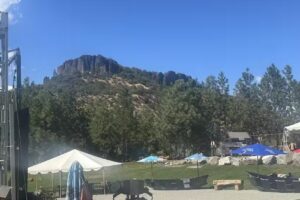
- The Landslide: The visible scar on the mountain opposite the center shows where 80 million tons of rock gave way, a silent testament to the earthquake's power.
- Earthquake Lake: The body of water created by the natural dam is serene today, belying its violent origins.
- The Madison River Valley: The panoramic vista of the valley stretching out below is spectacular, offering a sense of the broader landscape affected by the quake.
Furthermore, short walking trails are still accessible. A path leads up to a memorial boulder dedicated to the 28 people who lost their lives in the disaster. This short walk provides an even more elevated perspective and a quiet place for reflection. For those engaged in eco-tourism or adventure travel, the raw, untamed landscape is the main attraction, and that is very much intact.
The Reality of a Visit Today and in the Near Future
The most significant drawback is the current lack of a permanent facility. While the U.S. Forest Service has plans for a new, redesigned visitor center, construction timelines are not yet finalized. In the interim, temporary facilities and on-site staff are typically available during the peak season (from Memorial Day to mid-September). However, this means visitors should not expect the amenities of the former center. The gift shop, extensive indoor exhibits, and snack services mentioned in older reviews are no longer available. The experience is now more rustic and focused on the outdoor landscape itself.
This transitional phase presents a challenge. The center is not a full-service stop for booking elaborate guided tours or finding extensive regional information beyond the immediate area. Its purpose is highly specific. The remote location on US-287 also means it requires intentional planning to visit; it is not a stop one simply stumbles upon. Travelers must be prepared for a more self-directed experience, relying on the outdoor interpretive signs and the incredible landscape to tell the story.
Planning Your Trip: What to Know
Given the current situation, effective vacation planning is essential. Before making the trip, it is imperative to check the official Custer Gallatin National Forest website for the most current information. This will provide updates on:
- Seasonal operating hours for the temporary facilities and on-site staff.
- The status of restroom availability.
- Any progress or timelines regarding the construction of the new visitor center.
While the site itself offers a free and compelling stop, it does not offer comprehensive destination management services. It is a place of history and science, not a commercial hub. The value is in witnessing the direct geological effects of one of the most powerful earthquakes in North American history. The story of the quake, the ghost trees drowned by the rising lake, and the massive landslide remains as powerful as ever. The original building may be gone, but the earth-shattering event it honored has left an indelible mark on the land that continues to captivate all who visit.