Don Edwards San Francisco Bay National Wildlife Refuge Environmental Education Center
BackOperating as a crucial hub for environmental learning and preservation, the Don Edwards San Francisco Bay National Wildlife Refuge Environmental Education Center in San Jose offers a distinct experience that aligns more with eco-tourism than a traditional travel agency. This establishment serves as a key tourist attraction for individuals and families seeking meaningful outdoor activities without a cost of entry. It is a destination built around the appreciation and understanding of the Bay Area's delicate wetland ecosystems, making it a prime location for educational day trips and self-directed nature travel.
Assets and Attractions for Visitors
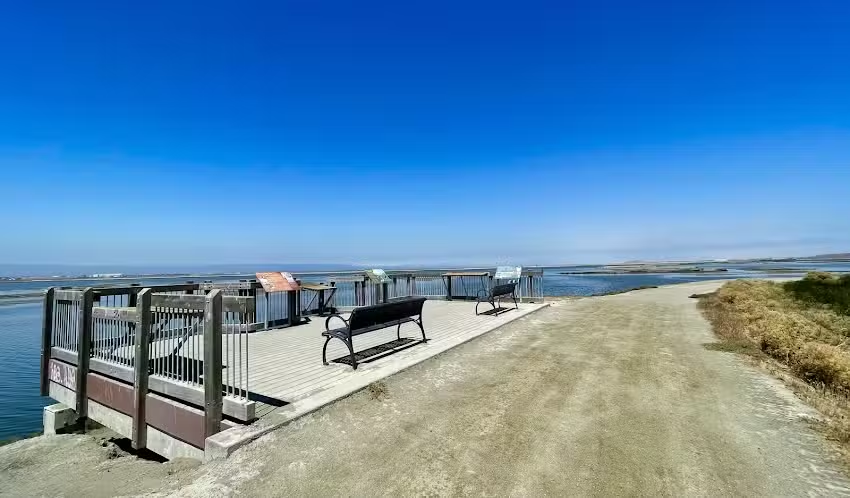
The primary draw of this location is its direct access to the vast Don Edwards National Wildlife Refuge, the first and largest urban national wildlife refuge in the United States. Visitors consistently praise the extensive network of flat, accessible trails, making it an ideal setting for long, peaceful walks, jogging, and family bike rides. With over 30 miles of tracks available, most of which are graveled and suitable for novices, the refuge provides ample space for recreation. These trails, primarily running atop levees, offer unobstructed, panoramic views of the salt ponds and tidal marshes, which are noted for their unique, colorful hues caused by microorganisms.
For enthusiasts of wildlife viewing, the center is a premier destination. Located along the Pacific Flyway, the refuge hosts more than 280 species of birds annually, with millions stopping to rest and feed during spring and fall migrations. This makes it an exceptional spot for both casual observers and serious ornithologists planning bird watching tours. Reviews frequently highlight sightings of American Avocets, Black-necked Stilts, herons, egrets, and even the endangered Ridgway's rail. Beyond avian life, visitors have reported seeing rabbits, lizards, and other small creatures along the paths. The opportunities for photography are abundant, particularly during sunset, which casts a dramatic light over the expansive landscape.
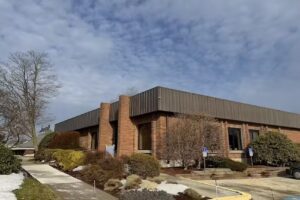
The Environmental Education Center itself, when open, enhances the visitor experience by providing valuable context. It features displays on the South Bay's ecology and history, a small bookstore, and information about the native people who inhabited the area. The center and its partner organizations, like the San Francisco Bay Wildlife Society, frequently organize public programs, including guided walks, volunteer habitat restoration days, and special events celebrating occasions like World Shorebirds Day. These offerings position the facility as a de facto tour operator for local ecological excursions, providing structured activities for those seeking more than a simple walk. The historical element is further enriched by proximity to points of interest like Drawbridge, a nearby ghost town, and a functional railway that cuts through the salt ponds, adding a unique feature for train enthusiasts.
Points to Consider Before Your Visit
Despite its many positive attributes, prospective visitors should be aware of several potential drawbacks that require careful travel planning. One of the most frequently mentioned issues is parking. The main lot can be small and fill up quickly, especially on weekends or during events. Many visitors report needing to park outside the main gate on a gravel strip, which lacks designated accessible spaces. When the gate is locked, walking in is the only option, which adds distance to any planned activity.
Another significant factor is the natural environment itself. As a marshland, the area can produce a strong, sulfurous odor, particularly in areas where the water is low or stagnant. While this is a normal part of the ecosystem, some visitors find the smell unpleasant. Furthermore, the landscape is largely exposed, with very few trees providing shade. This makes preparation essential; visitors should bring ample water, sunscreen, and hats, especially on warm, sunny days. The wind off the bay can be significant, which can be a welcome relief in summer but bitingly cold in winter.
Operational status is another key consideration. The Environmental Education Center building has specific hours and is often reserved for school groups on weekdays. Furthermore, ongoing construction for the South San Francisco Bay Shoreline Project has led to closures of certain trails, such as the Mallard Slough Trail. It is highly advisable for anyone planning a visit to check the official U.S. Fish & Wildlife Service website or call ahead to confirm the current status of facilities, trail access, and gate hours to avoid disappointment.
An Unconventional Travel Destination
While categorized as a travel agency, the Don Edwards Environmental Education Center does not book flights or accommodations. Instead, it serves a more specialized role in the tourism sector. It facilitates a form of local adventure travel focused on ecology and recreation. It curates experiences through its educational programs, guided bike tours, and volunteer events, functioning as a gateway to the natural wonders of the South Bay. For those planning family vacations or educational outings in the San Jose area, it offers a valuable, cost-free opportunity to connect with nature. Its value lies not in arranging complex itineraries, but in providing direct access to a unique and vital habitat, supported by educational resources that enrich the public’s understanding and appreciation of wildlife conservation.