Destination Management Organization (DMO) Formally CVB
BackOperating as Bozeman's official tourism entity, the Destination Management Organization (DMO), formerly known as the Convention & Visitors Bureau (CVB), serves as a primary informational hub for prospective visitors. It's crucial for travelers to understand its function: this is not a commercial travel agency that books flights and hotels, but rather a strategic organization responsible for marketing Bozeman, managing its tourism resources, and providing information to ensure a positive visitor experience. This distinction is key to setting the right expectations for what it offers.
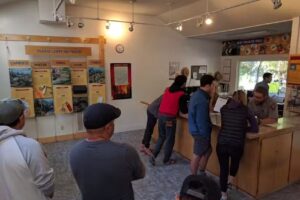
The organization's physical office is located at 2000 Commerce Way, providing an in-person resource for those seeking local knowledge. However, visitor feedback on this physical location is notably divided. Some travelers have had exceptionally positive interactions, highlighting the value of speaking directly with local experts. One visitor, Rebecca Stover, praised the staff for being "very helpful" and "sweet," providing excellent recommendations that led to a perfect lunch at a local deli. This type of personalized, on-the-ground advice is an invaluable asset for any trip planning effort and represents the DMO at its best, offering insights that generic online searches often miss.
Conversely, other visitors have found the physical location to be underwhelming. A review from Dena Mathias described the office not as a full-service visitor center, but more like a "small Rest Stop with a few travel brochures." This feedback suggests that travelers expecting a large, interactive facility with extensive exhibits might be disappointed. The reality of the in-person experience seems to lie somewhere in the middle: a modest but potentially very useful stop for those who value direct interaction with knowledgeable staff. It operates with limited hours, open weekdays and closed on weekends, so planning a visit during the week is essential.
The Broader Role in Destination Management
Beyond its front-desk operations, the DMO's primary influence is felt through its strategic initiatives and comprehensive digital presence, mainly via its website, VisitBozeman.com. This platform is the organization's main tool for promoting the region, offering a wealth of resources for anyone planning a trip. Here, visitors can find curated information on lodging, dining, and a wide array of activities that define the Bozeman experience. The website provides suggested itineraries, blog posts on specific attractions like local breweries or hiking trails, and guides for visiting nearby Yellowstone National Park. This digital hub is arguably the core of its service, fulfilling its mission to attract and inform travelers on a large scale.
The organization, a partnership between the Bozeman CVB and the Gallatin Valley Tourism Improvement District, works to bolster the local economy by promoting sustainable tourism. This includes attracting not just leisure travelers but also meetings, conferences, and sporting events that generate business for local hotels and services. Through initiatives like the "Be Good to Bozeman" program, the DMO also focuses on destination stewardship, encouraging visitors to recreate responsibly, shop local, and help preserve the natural and cultural resources that make the area special. This demonstrates a forward-thinking approach that balances promotion with preservation.
Addressing Visitor Concerns and Regional Challenges
While the DMO works to present Bozeman in the best possible light, it operates within a destination that has its own set of challenges, which are reflected in visitor feedback. One of the most pointed criticisms, from reviewer Jeanne Kidd, highlights the "astronomical" cost of hotels, averaging around $300 per night for what she considered subpar accommodation. She also raised concerns about safety in certain areas. This type of feedback, while directed at the overall experience in the city, is relevant to the DMO's role. It underscores the economic realities of a popular destination where high demand can strain resources and affect affordability.
The DMO is aware of these pressures. Official planning documents acknowledge that Bozeman's rapid growth and popularity have led to a shortage of hotel rooms, which in turn drives up prices and can impact the visitor experience. The organization's role in this context is complex; it must continue to market the destination while also managing the impacts of that success. By promoting sustainable tourism and educating visitors, the DMO aims to mitigate some of these pressures, but travelers should be aware that issues like high costs are a feature of the current tourism landscape in Bozeman.
What Travelers Can Expect
For those planning a trip to the Bozeman area, the Destination Management Organization offers significant value, though it's best utilized with a clear understanding of its strengths and limitations.
The Positives:
- Expert Local Knowledge: The staff at the physical location can provide personalized recommendations and insider tips that enhance an itinerary planning process, from finding the best fly-fishing spots to suggesting a great local restaurant.
- Official Resources: It is the definitive source for official maps, brochures, and information on local tours and activities. Its website is a one-stop-shop for planning.
- Support for Sustainable Travel: The DMO provides resources and encouragement for travelers who want to visit responsibly and minimize their impact, contributing to the long-term health of the region.
The Drawbacks:
- Modest Physical Location: The office is more of an informational outpost than a large, engaging visitor center. Managing expectations is key to avoiding disappointment.
- Limited Operating Hours: Being closed on weekends means travelers arriving for a weekend trip cannot use the in-person services.
- Destination-Wide Challenges: The DMO promotes a destination facing real-world issues like high accommodation costs. While the organization provides information, it cannot alter these market conditions.
In conclusion, the Bozeman DMO is a vital asset for travelers, particularly in the digital realm where its website offers extensive resources for planning everything from adventure travel to a relaxing getaway. Its physical office, while small, can be a source of high-quality, personalized advice. Prospective visitors should leverage the DMO's online tools extensively and, if visiting on a weekday, consider stopping by the office for a personal touch. However, they should also be prepared for the realities of a highly popular and sometimes expensive destination.