Denali National Park Tours Doyon/Aramark Joint Venture
BackAn In-depth Look at Denali National Park Tours by Doyon/Aramark Joint Venture
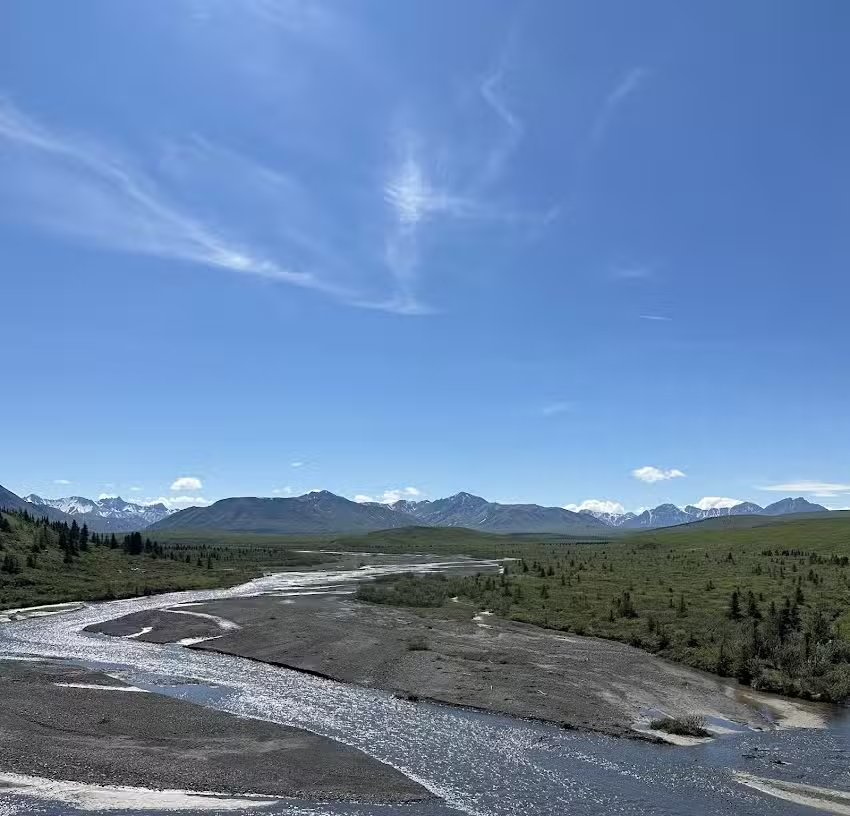
For nearly all visitors to Denali National Park and Preserve, traveling beyond Mile 15 of the iconic Denali Park Road is not a choice but a necessity managed by a single entity: the Doyon/Aramark Joint Venture. This partnership holds the exclusive concession contract with the National Park Service to provide all narrated bus tours, transportation, and other visitor services within the park. This makes them the de facto tour operator for anyone wishing to venture deeper into Denali's six million acres of wilderness. While private vehicles are restricted, this operation offers a structured and essential service, though the experience comes with a distinct set of advantages and disadvantages that potential customers should carefully consider.
The Primary Benefit: Exclusive Access and Expert Narration
The most significant advantage offered by this joint venture is access. The bus tours are the only mechanized way for the public to travel to destinations like the Murie Cabin at Mile 43, a journey that cuts through prime wildlife habitat. This exclusivity is a cornerstone of many Alaska travel packages, promising a chance to witness the park's famous inhabitants. Many visitors recount positive experiences, emphasizing that the tours are a fantastic way to see parts of Denali otherwise inaccessible. The driver-guides are frequently praised for their extensive knowledge. Guides with decades of experience share captivating stories about the park's history, geology, and ecology, transforming a simple bus ride into an educational journey. Some travelers have noted the immense value these seasoned narrators add, with one group mentioning their drivers had a combined experience of nearly 100 years. This level of expertise can significantly enhance sightseeing tours.
Furthermore, the structure of the tours facilitates wildlife viewing. Drivers are trained to spot animals and will stop the bus for sightings, allowing passengers to observe and photograph creatures like moose, caribou, Dall sheep, and grizzly bears. Some buses are even equipped with monitors connected to a zoom camera, giving everyone on board a close-up view of distant animals. This organized approach to wildlife adventure tours is a key selling point. The company also handles practicalities well, with clean buses, frequent restroom stops every 60-90 minutes, and the provision of snack boxes and water on longer trips.
Potential Downsides and Inconsistencies
However, the experience is not universally lauded. A recurring critique is the feeling of being on a "glorified school bus." The vehicles, while functional, can be cramped with tight seating, leading to discomfort on the multi-hour journeys. One visitor specifically mentioned developing a leg cramp due to the limited space. The quality of the tour can also be heavily dependent on the individual driver. While many guides are praised, some customers have reported negative interactions. One review detailed a particularly poor experience with a driver described as being on a "power trip," treating adult passengers condescendingly. This highlights a significant variable: your five-to-eight-hour day is largely in the hands of the person behind the wheel.
Logistical frustrations are another point of contention. Customers cannot select a specific departure time when booking; they choose a morning or afternoon window and are assigned a time 48 hours in advance. This can be problematic for those hoping to travel during the early morning or evening hours when wildlife is typically most active. Wildlife sightings themselves are, of course, a matter of luck. While the potential is there, many animals are seen from a great distance—Dall sheep, for instance, are often just "little white dots" on a mountainside. Even the view of Denali itself is not guaranteed, as the mountain is famously obscured by clouds about 70% of the time. This unpredictability means some may find the cost of the tour isn't justified if they have an uneventful day.
Understanding the Tour Options
It's crucial for visitors to understand what they are booking. Doyon/Aramark offers several distinct excursions. The two main narrated options currently operating (due to the Pretty Rocks Landslide road closure at Mile 43) are:
- Denali Natural History Tour: A shorter, 4.5 to 5-hour tour that travels to Primrose Ridge at Mile 17. It focuses more on the cultural and natural history of the park's front country.
- Tundra Wilderness Tour: A longer, 5 to 5.5-hour tour that travels to the Murie Cabin at Mile 43. This is the most popular option and is generally considered the best for wildlife viewing opportunities.
It is important to distinguish these tan-colored tour buses from the green, non-narrated transit buses. The transit buses are a cheaper, more flexible option for those who want to get off and hike, as they operate on a hop-on, hop-off basis. However, they do not include narration, and their primary goal is transportation, not sightseeing, so they may not linger as long for wildlife.
Final Considerations for the Traveler
For those planning a trip, the Doyon/Aramark bus tour is a near-essential component of the Denali experience. It represents a trade-off: you surrender autonomy, comfort, and a degree of flexibility in exchange for managed access to a protected wilderness. The National Park Service has consistently awarded the venture a 'Superior' rating for its operations, recognizing high standards in customer service, cleanliness, and environmental management. This official endorsement speaks to a well-run, professional operation that serves hundreds of thousands of visitors each season.
To make the most of the trip, potential customers should set realistic expectations. Understand that wildlife is wild and views are weather-dependent. Pack essentials like binoculars and a camera with a good zoom lens to better appreciate distant sightings. For the longer tours, bringing your own substantial meal is advisable, as the provided snack box may not be sufficient. Ultimately, this service is less like a private adventure travel expedition and more like a carefully managed public utility designed to protect the park while allowing people to witness its grandeur. For most, it is a worthwhile and necessary part of their Denali journey, but it's one best undertaken with a clear understanding of both its remarkable opportunities and its inherent limitations.