
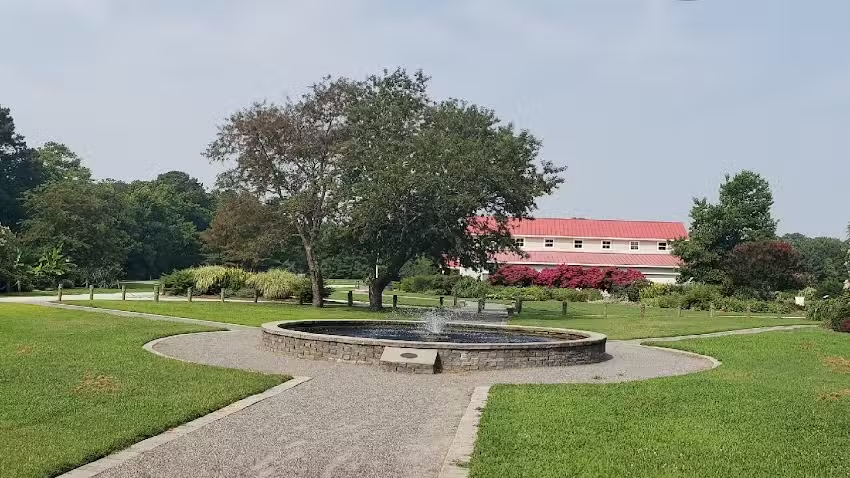
Deltaville Maritime Museum & Holly Point Nature Park
BackLocated at 287 Jackson Creek Road, the Deltaville Maritime Museum & Holly Point Nature Park presents itself as more than a simple museum; it is a multi-faceted destination dedicated to preserving the rich boatbuilding heritage of Virginia's Chesapeake Bay region. With a high average rating of 4.8 stars from visitors, it combines historical exhibits, natural landscapes, and a vibrant community events schedule, making it a noteworthy stop for various types of travelers. While it offers a deeply authentic experience of local tourism, potential visitors should be aware of its specific focus and operational limitations.
A Deep Dive into Maritime History
The core mission of the museum is to document and preserve the history of boat building and the lives of the watermen in Middlesex County and the lower Chesapeake Bay. This is not a generalized maritime museum but a focused institution celebrating a specific, vital piece of American cultural heritage tourism. The exhibits chronicle the evolution of wooden boatbuilding from the late 1800s, displaying intricate models, historical drawings, artifacts, and detailed information on techniques like pound-net fishing. A recurring point of praise from visitors is the welcoming and knowledgeable staff, largely volunteers, whose passion for the subject matter significantly enhances the educational experience.
The F.D. Crockett: A National Treasure
A significant highlight and a major draw for the museum is the F.D. Crockett, a fully restored 1924 Chesapeake Bay log-bottom buy-boat. This vessel is not merely an exhibit; it is a National Historic Landmark and one of the last of its kind still afloat. The story of its restoration, a massive undertaking by community volunteers, is a testament to the local dedication to preserving history. On select days and during special events, visitors have the opportunity to board the Crockett, offering a tangible connection to the past that a static display cannot provide. For any tour operator crafting itineraries focused on American history or naval heritage, the presence of such a significant and accessible artifact is a powerful asset.
Holly Point Nature Park: The Natural Component
Complementing the indoor exhibits is the Holly Point Nature Park, the 36-acre waterfront property where the museum is situated. This space provides a crucial element for visitors, especially families, looking for a mix of education and recreation. The park features:
- Walking Trails: Scenic paths wind through woodlands and along the shores of Mill Creek, offering peaceful strolls and opportunities to observe local flora and fauna.
- Water Access: A pier walk and a kayak launch provide direct access to the water, encouraging outdoor activities and exploration of the creek.
- Family-Friendly Spaces: A dedicated Children's Garden and nature play areas make it an engaging destination for younger visitors, a point frequently highlighted in positive reviews.
- Event Venues: The beautiful grounds and a large pavilion serve as a popular venue for private events, particularly weddings. Photographers note the picturesque setting, which makes it ideal for capturing special occasions.
The park's amenities make the museum a well-rounded destination, allowing for a full day of activities. Admission to the park itself is free and it's open daily from dawn to dusk, which adds a layer of accessibility even outside of museum hours.
A Hub for Community Events
Perhaps one of the museum's greatest strengths is its role as a community hub. The calendar is filled with recurring events that attract both locals and tourists, transforming the grounds into a lively gathering place. Anyone involved in trip planning should consult their schedule for events like:
- Groovin' in the Park: A popular outdoor concert series held during the summer months, creating a festive atmosphere.
- Holly Point Markets: Monthly markets from April to November feature local artists, vendors, and farmers, offering a taste of the regional culture.
- Festivals: The museum hosts an annual Art & Seafood Festival, a Taste of Middlesex Festival, and other themed events that celebrate local food and traditions.
- Hands-On Workshops: A standout offering is the annual Family Boatbuilding Week, where teams can build their own wooden skiff under expert guidance, culminating in a celebratory race. This unique, immersive experience is a powerful draw for those seeking interactive vacation packages.
Points to Consider Before Visiting
Despite its many positive attributes, there are several factors potential visitors should weigh. First, the museum's focus is highly specialized. Travelers without a pre-existing interest in Chesapeake Bay maritime history or boatbuilding might find the exhibits less engaging than those at larger, more generalized institutions. The intimate scale, while charming to many, could be perceived as small by those accustomed to sprawling museum complexes.
From a practical standpoint, the museum's operational hours are limited. It is closed every Wednesday, and daily hours are generally from 10:00 AM to 4:00 PM (12:00 PM to 4:00 PM on Sundays). This requires careful planning, especially for those on a tight schedule. Furthermore, Deltaville is a relatively small community, and reaching the museum requires a dedicated trip rather than being an incidental stop in a major urban center. Any travel agency recommending the site should emphasize this to manage client expectations effectively.
The Verdict
The Deltaville Maritime Museum & Holly Point Nature Park is a remarkable institution that succeeds in its mission to preserve and celebrate a vital piece of Virginia's history. Its strengths lie in its authentic focus, the passion of its staff, its impressive centerpiece exhibit in the F.D. Crockett, and its vibrant role as a community gathering place. It is an ideal destination for history enthusiasts, families looking for engaging and educational outdoor activities, and travelers seeking an authentic slice of Chesapeake Bay culture. While its niche subject matter and location require deliberate planning, for the right visitor, it offers a rich and rewarding experience that larger, more commercial attractions often lack. It stands as a prime example of successful cultural heritage tourism, blending education, nature, and community in one welcoming package.


