Davis Flying W Ranch
BackDavis Flying W Ranch, a formerly operational establishment located at 10874 N 1920 Rd in Sayre, Oklahoma, is now listed as permanently closed. Over its years of operation, it cultivated a distinct reputation as a provider of rustic lodging and Western-style experiences, functioning in part as a specialized travel agency for those seeking an authentic ranch getaway. The business attracted a diverse clientele, from RV campers looking for a convenient stopover to families seeking immersive horseback riding vacations. However, an analysis of customer feedback reveals a starkly divided picture of the experiences offered, painting a portrait of a business with immense potential for charm and hospitality that was simultaneously undermined by significant operational inconsistencies.
The Appeal: Personalized Hospitality and Authentic Ranch Life
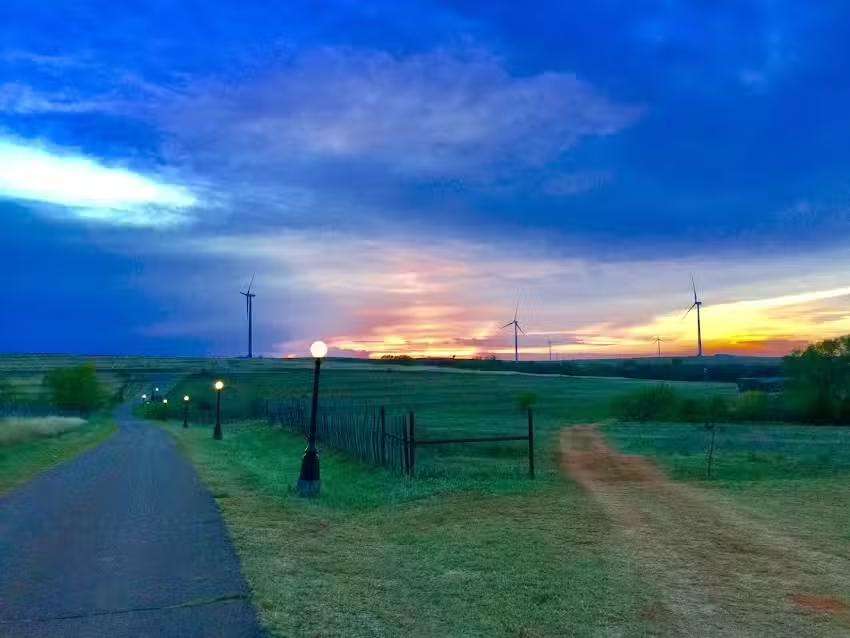
For many visitors, the primary draw of the Davis Flying W Ranch was its deeply personal and welcoming atmosphere, largely attributed to the owner, Burl. Positive accounts frequently emphasize a sense of being treated like family, with the owner personally ensuring guests felt at home. This level of hospitality is a rare find and was a cornerstone of the ranch's appeal. Guests staying overnight in RVs noted the easy access from Route 40 and the convenience of full hook-ups, but the highlight was often sitting on the porch with the owner, sharing stories and soaking in the peaceful serenity and expansive views of the Oklahoma landscape. This personalized interaction transformed a simple overnight stay into a memorable part of their road trip planning.
The core activities offered were central to its identity as a destination for adventure travel. The trail rides were particularly praised for showcasing a surprisingly varied terrain. Contrary to expectations of flat farmland, riders were treated to landscapes featuring ponds, ravines, and rolling hills. This provided a dynamic and engaging riding experience that catered to those looking for more than a simple pony ride. One guest, who stayed for several days with her dogs, described the cabin as a perfect getaway, complemented by filling and delicious home-cooked meals. This all-inclusive feel, combining lodging, food, and activities, mirrored the offerings of comprehensive vacation packages.
Accommodations and Amenities for Different Travelers
The ranch catered to various types of travelers through its diverse accommodation options.
- RV Camping: Its status as a Harvest Host location made it a popular choice for a specific community of campers. Reviews from this segment are overwhelmingly positive, highlighting the friendly host, excellent steaks, and what one visitor called the "best baked potato ever." The combination of good food and warm hospitality set a high bar for other Harvest Host experiences.
- Cabin Stays: The cabins were intended to provide a cozy, rustic retreat. For some, they achieved this goal perfectly, offering a secluded and authentic ranch experience that was ideal for family vacations or solo escapes.
The positive experiences suggest that when the ranch's operations were aligned, it delivered a unique and highly enjoyable product that many local tour operators would struggle to replicate. The focus was on genuine connection, simple pleasures, and the natural beauty of the surroundings.
The Drawbacks: A Pattern of Unmet Promises and Neglect
Despite the glowing reviews from many guests, a significant number of visitors reported experiences that were profoundly negative, stemming from a consistent failure to deliver on promised services and amenities. These issues appear most pronounced in situations requiring a higher degree of professional organization, such as event hosting and multi-night cabin rentals. These accounts serve as a cautionary tale for customers engaging with businesses that may prioritize informal charm over contractual obligations.
A particularly damaging account comes from a client who booked the ranch as a wedding venue. Promises made months in advance, including the installation of air conditioning in the reception hall and the thorough cleaning of the ceremony barn, were allegedly not met. The wedding party arrived the week of the event to find the facilities unprepared, forcing them to source their own cooling solutions for the reception. The issues extended beyond the event itself, with a subsequent dispute over decorations that the client was asked to leave for future weddings. A verbal agreement for payment was reportedly not honored, and the materials were damaged when eventually retrieved. This experience led the client to issue a stern warning to future brides: "get EVERYTHING in writing." This highlights a critical failure in its role as a potential provider of customized trips or events.
Deficiencies in Lodging and Maintenance
The problems were not limited to large events. A family who drove eight hours for a two-night cabin stay detailed a litany of failures that led them to leave after just one night. Their parents' cabin lacked the advertised air conditioning, refrigerator, and coffee pot. Basic security was absent, with no keys provided to lock the cabin doors. The grounds were unkempt and unmowed, and their own cabin was not properly cleaned, featuring a broken bathroom doorknob. Furthermore, attractions described as part of the experience, such as the old western town and cafe, were closed off and inaccessible. This represents a fundamental breakdown in providing the services expected from any establishment involved in destination management.
These contrasting experiences suggest a business that operated with a significant lack of consistency. While the owner's personal charm could create a wonderful experience for casual visitors or RVers on a short stopover, the lack of professional systems and follow-through created deeply disappointing and frustrating situations for those with more structured plans or higher expectations. The ranch seemed to struggle with the transition from a personal hobby to a professional hospitality business, leading to a legacy that is both celebrated and condemned.
Final Assessment of a Closed Business
With Davis Flying W Ranch now permanently closed, its story serves as an important case study. It demonstrates that while personal hospitality and a unique setting can form the basis of a compelling tourism business, they cannot compensate for a lack of professionalism, poor maintenance, and a failure to honor agreements. For travelers who had a positive experience, it was a memorable stop offering a glimpse into a quieter way of life. For those who did not, it was a source of stress and disappointment. Its closure leaves a void for those seeking rustic ranch experiences in the Sayre area, who must now turn to other providers of eco-tourism and rural getaways, hopefully with a clearer understanding of the importance of verifying services and securing written agreements.