
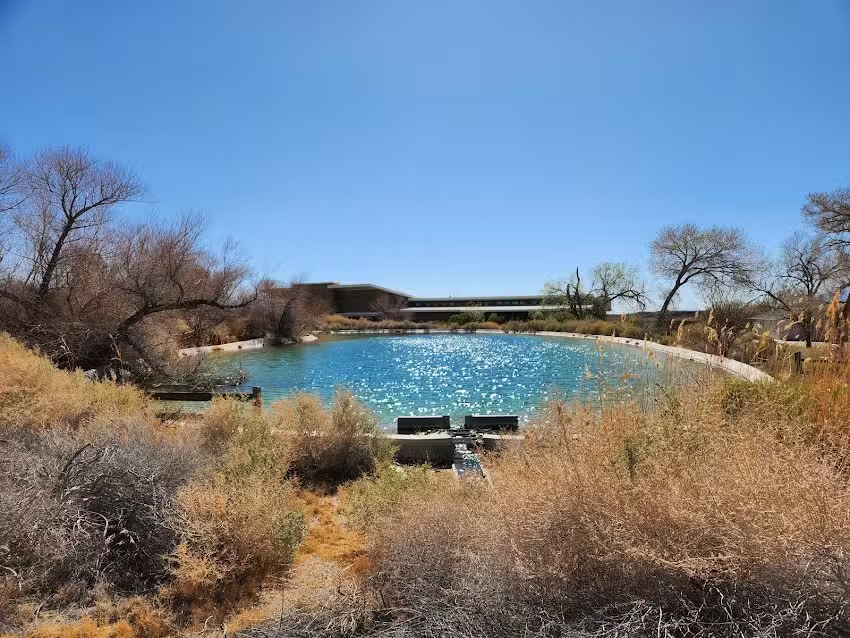
Corn Creek Visitor Center
BackServing as the primary entry point to the vast Desert National Wildlife Refuge—the largest refuge in the contiguous United States—the Corn Creek Visitor Center offers far more than just maps and brochures. It operates as a sophisticated hub for information and preparation, functioning as a specialized travel agency for those wishing to engage with the Mojave Desert's unique environment. Before venturing into the wider expanse, a stop here is not just recommended; it is an essential component of a well-planned visit. The facility itself provides an immediate, positive impression. It is a modern, clean, and well-organized building where the relief of air conditioning offers a welcome respite from the desert heat.
One of the most frequently praised features is the thoughtful provision of covered parking spaces. In the relentless Las Vegas sun, this amenity is a significant comfort for visitors. Inside, the center is staffed by employees and volunteers noted for their friendly and knowledgeable demeanor. They are adept at providing personalized recommendations for trails and points of interest, effectively handling the destination management for each visitor's trip into the refuge. This level of service elevates the center beyond a simple administrative building to a genuine resource for eco-tourism and education.
Facility and Educational Resources
The interior of the Corn Creek Visitor Center is designed to be both welcoming and informative. Visitors will find a series of high-quality, interactive exhibits detailing the rich history, geology, and diverse wildlife of the region. For a more immersive introduction, a mini-theater shows a 17-minute orientation video that provides an excellent overview of what the refuge has to offer. These resources are invaluable for setting context and enhancing the appreciation of the surrounding landscape. The center also includes a small but impressively stocked gift shop, offering souvenirs like postcards, soaps, and plush toys, allowing visitors to take a piece of their experience home with them.
Accessibility is a clear priority. The main building is wheelchair accessible, and many of the surrounding trails are designed to accommodate visitors with limited mobility. The exterior of the building is just as thoughtfully designed, with covered patios providing panoramic views of the desert landscape and mountains. Essential amenities such as clean, air-conditioned public restrooms and multiple drinking water stations—including one for pets—underscore the center's commitment to visitor comfort and safety. It is also a recognized location for obtaining National Park Service passport stamps, specifically for the nearby Tule Springs Fossil Beds National Monument, making it a key stop for collectors and enthusiasts.
Trails and Outdoor Activities
Directly accessible from the visitor center is a network of trails, totaling approximately 1.5 miles. These paths, including the Bighorn Loop, Birdsong Loop, and Coyote Loop, are generally flat and well-maintained, making them suitable for casual walkers, families, and those not seeking a strenuous hike. The trails wind through various habitats, offering opportunities for wildlife tours at one's own pace. This area is a noted hotspot for birdwatching, with the presence of Corn Creek's springs creating a lush oasis that attracts a wide variety of species. Along the trails, visitors can also see a refugium for the endangered Pahrump poolfish and visit a historic cabin built from railroad ties from the old Las Vegas & Tonopah Railroad.
Points for Consideration
Despite the overwhelmingly positive aspects, potential visitors must engage in careful travel planning due to a few limitations. The most significant constraint is the center's operating hours; it is closed on Tuesdays and Wednesdays, which can impact travel itineraries. It is always advisable to verify the current hours of operation before making the drive. While the trails and outdoor restrooms remain accessible daily from sunrise to sunset, the educational exhibits and gift shop are only available during business hours.
Another practical point noted by previous visitors is the approach to the center. The turnoff from US-95 can appear suddenly, so drivers should be alert to avoid last-minute braking, especially when traffic is present. It's also important for visitors to understand the distinction between the visitor center and the much larger, more rugged Desert National Wildlife Refuge. The center and its immediate trails are easily accessible and managed, but venturing further into the refuge requires more significant preparation, often including a high-clearance, 4WD vehicle. The staff at this veritable tourist information center can provide crucial safety information for those planning more extensive adventure travel into the backcountry.
Finally, the visitor experience is subject to seasonal variations. Spring is often cited as the ideal time to visit, with blooming desert flora and more active wildlife. A trip during the hotter summer months or colder winter period will offer a different, potentially less vibrant, landscape. For those arriving in larger groups, it is recommended to call ahead to ensure the staff can accommodate them effectively. These considerations do not detract from the center's value but are important realities to factor into any visit.