
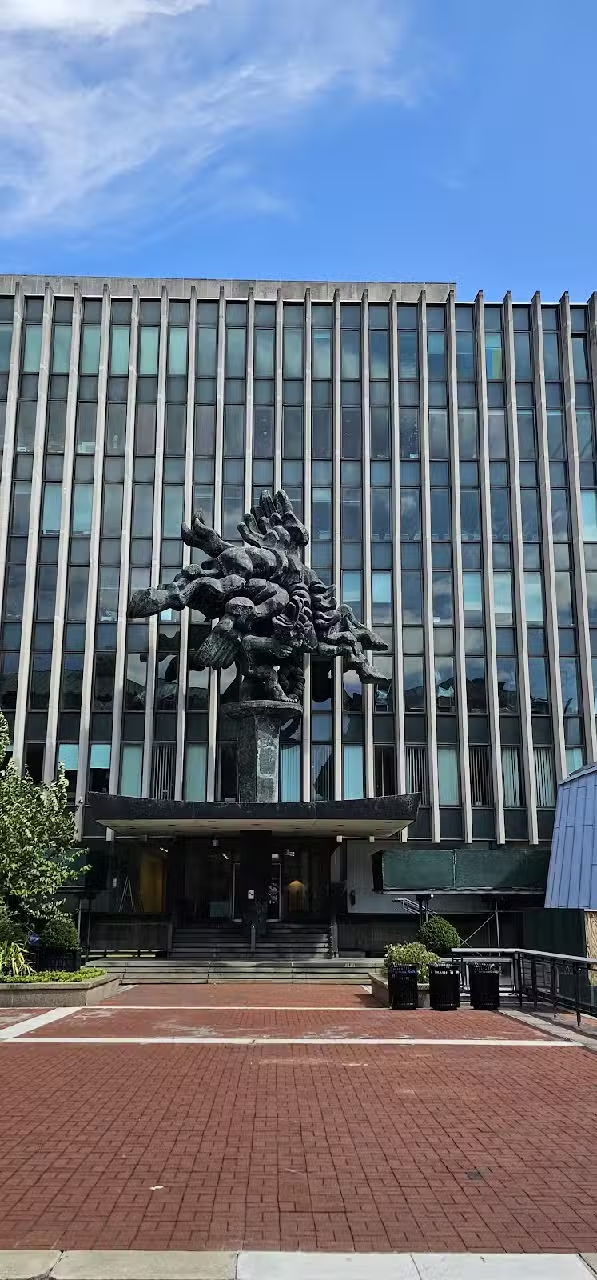
Columbia University Visitors Center
BackSituated within a landmark building on an iconic university campus, the Columbia University Visitors Center operates as a specialized hub for a unique form of New York City tourism. It's not a conventional travel agency; you won't be booking flights or hotels here. Instead, it offers a curated glimpse into the architectural grandeur and academic atmosphere of an Ivy League institution. Located inside the impressive Low Memorial Library, a National Historic Landmark built in 1897, the center serves as the primary starting point for anyone looking to understand this historic space in Morningside Heights. With an overall positive reception, reflected in a high user rating, the center successfully organizes the visitor experience, yet it has limitations that potential visitors should consider for their itinerary planning.
The Visitor Experience: Strengths and Services
The primary service offered by the Visitors Center is its structured series of campus tours. These are not merely casual strolls; they are well-regarded, organized excursions that provide significant value. Reviews frequently mention the engaging and exciting nature of the guided tours, which are often led by current students who share personal anecdotes and insights into university life. This approach transforms a simple walk into a compelling narrative, making it a standout feature for anyone interested in educational travel or cultural tourism. The center offers a variety of tours tailored to different audiences, including specific tours for prospective undergraduate and graduate students, as well as a popular historical tour that delves into the campus's architecture, history, and notable sculptures.
The setting itself is a major draw. The campus is widely described as beautiful and impressive, with visitors praising its well-organized layout, ornate buildings, and ample green spaces. The architectural design, a classic of Beaux-Arts planning by McKim, Mead, and White, is a significant tourist attraction in its own right. The Low Memorial Library, modeled after the Pantheon in Rome, serves as a majestic centerpiece. Visitors consistently highlight the aesthetic appeal of the grounds, from the iconic Alma Mater statue on the library steps to features like the bridge over Amsterdam Avenue and seasonal cherry blossoms. This creates a memorable travel experience that combines historical appreciation with serene, picturesque surroundings.
Key Positive Attributes
- Structured and Diverse Tours: The center provides a range of tour options, from general historical tours to specialized ones for prospective students, ensuring a relevant experience for various visitor types. They even offer tours designed for middle and elementary school groups to introduce them to college life.
- Knowledgeable Guides: The student-led tours are a frequently praised highlight. The guides' personal stories and enthusiasm add a layer of authenticity that elevates the experience beyond a standard script.
- Architectural and Historical Significance: The campus is a living museum of Beaux-Arts architecture. Buildings like Low Library, Butler Library, and Havemeyer Hall (whose classroom has appeared in numerous films) provide a rich backdrop for any visit.
- Prime Location: Situated in Manhattan's Upper West Side, the university is conveniently located near other attractions, delis, and two major parks, Riverside Park and Morningside Park, allowing visitors to easily incorporate the tour into a full day of sightseeing.
- Accessibility: The center and much of the campus are wheelchair accessible, making it an inclusive destination for many visitors.
Considerations and Potential Drawbacks
Despite its many strengths, the Columbia University Visitors Center has limitations that stem from its primary function as a university service rather than a commercial tourism enterprise. The most significant drawback is its operating hours. The center is open only on weekdays, typically from 9:00 AM to 5:00 PM, and is closed on Saturdays and Sundays. This schedule is a major inconvenience for weekend travelers or those with inflexible work schedules, who make up a large portion of New York City's visitors. While self-guided tours are an option for weekend visitors, the full experience, including access to guides and official information, is unavailable.
Furthermore, the nature of the tours can be highly specific. While there are historical tours, the primary focus is often on the student experience, which caters heavily to prospective applicants and their families. A general tourist looking for a broad historical overview of New York might find the content too academically focused. The information provided is about Columbia University, and it doesn't function as a broader destination management service for the surrounding area. Visitors should set their expectations accordingly; this is an in-depth look at a specific institution, not a general city tour.
Areas for Improvement and Visitor Awareness
- Restrictive Hours: The lack of weekend hours is the most cited operational weakness. Potential visitors must plan their trip carefully around the Monday-to-Friday schedule.
- Narrow Focus: As a university entity, its scope is inherently limited. It's a fantastic resource for its intended purpose, but it is not a one-stop-shop for vacation packages or broad sightseeing information.
- Campus Access Policies: At times, campus access can be restricted to university ID holders and registered guests. It is crucial for visitors to check the university's public safety website and pre-register for tours online, as walk-in visits may not be accommodated.
- Self-Directed Exploration: Outside of the formal guided tours, much of the experience relies on the visitor's initiative. To fully appreciate the history, downloading a self-guided walking tour map from the university's website is highly recommended, especially for those visiting after hours.
In conclusion, the Columbia University Visitors Center offers a highly rated and valuable service for a specific type of traveler. It excels at providing an organized, insightful, and aesthetically pleasing look into one of the world's leading academic institutions. For those interested in architecture, history, or the university itself, the sightseeing tours are an excellent choice and a worthy addition to any New York City itinerary. However, it operates within the constraints of a university's schedule and mission. Prospective visitors should treat it as a specialized tourist attraction rather than a full-service travel agency, plan their visit for a weekday, and register in advance to ensure a smooth and enriching experience.