Clarks River National Wildlife Refuge Admin Building and Visitor Contact Station
BackThe Clarks River National Wildlife Refuge Admin Building and Visitor Contact Station, located at 91 US-641 in Benton, Kentucky, serves as the primary administrative hub for the only National Wildlife Refuge located entirely within the state. While its business classification includes travel agency, potential visitors should adjust their expectations. This is not a commercial firm for booking vacation packages, but rather a government-operated U.S. Fish and Wildlife Service facility designed to provide information, permits, and support for activities within the expansive 8,000+ acre refuge. Understanding this distinction is crucial for planning a successful visit, as public feedback reveals a mix of highly positive and deeply frustrated experiences, largely dependent on visitor expectations meeting operational realities.
The On-Site Experience: Information Hub with Caveats
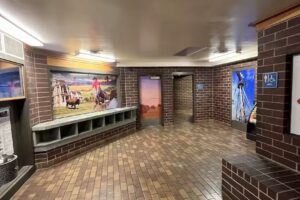
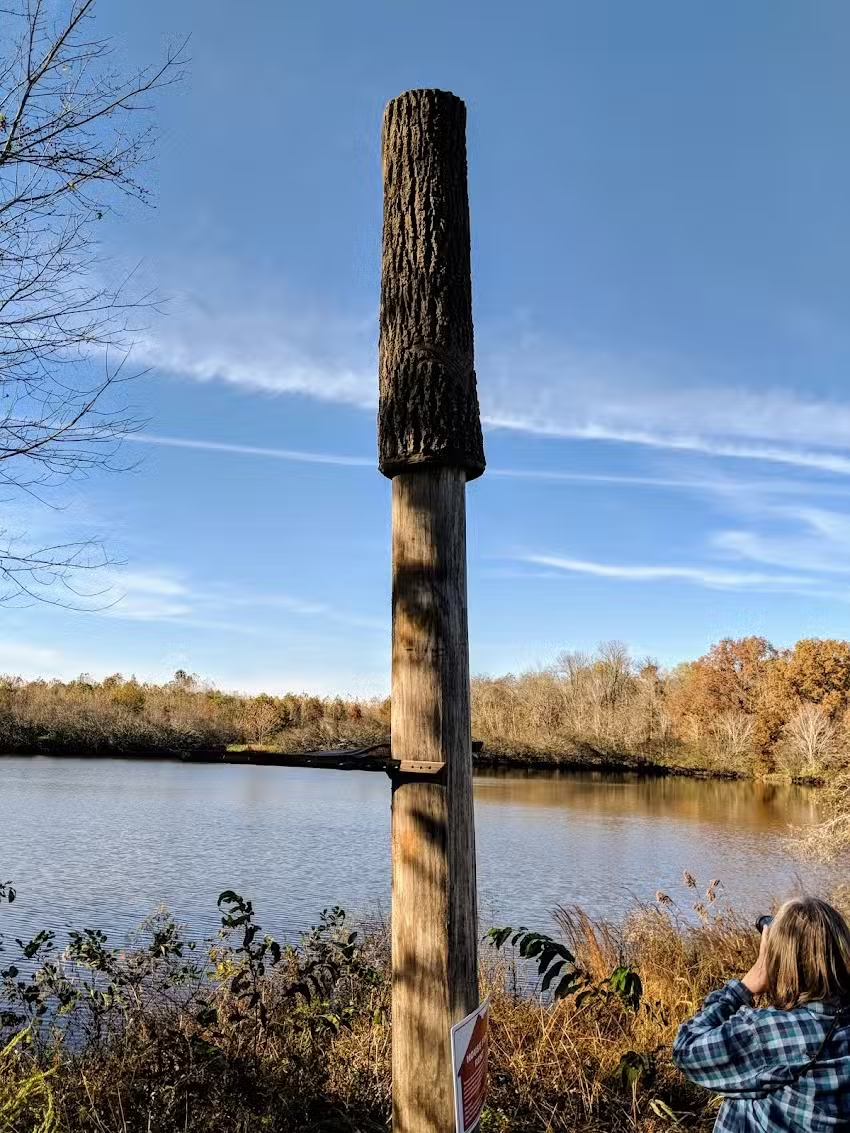
Physically, the facility is a modern, well-kept building that often makes a positive first impression. It features a pond, a paved pathway, and a covered pavilion, creating a serene environment for a brief stop. For those who find the building open and staffed, the experience is often very positive. Visitors have praised the friendly and knowledgeable volunteer staff, noting they are pleasant to talk with and a great source of information. The building itself is wheelchair accessible and provides an important service for those seeking official maps, brochures, and permits for activities like hunting and fishing. This function as an information center is its primary strength, offering a crucial first step for anyone serious about engaging in the outdoor recreation opportunities the greater refuge provides.
However, a significant point of contention revolves around what is available directly at the admin building versus the refuge at large. Several visitors have arrived expecting immediate access to extensive trail networks and were left disappointed. Multiple reviews express frustration over the lack of clearly marked hiking trails originating from the headquarters. One visitor noted finding only self-guided activities for children near the lake area, while another was explicitly told by staff that they were unaware of any hiking paths at that location. This has led to feedback questioning the purpose of the facility if it doesn't provide direct access to the very nature it represents.
Clarifying the Trail Confusion
The discrepancy in visitor reports regarding trails can be clarified through official information. The most popular and developed area for hiking is not at the administrative building on US-641. Instead, it is located at the separate Environmental Education and Recreation Area (EERA), which is a few miles away off Highway 408. The EERA offers a variety of trail types—paved, gravel, and dirt—along with observation decks and a fishing pond, making it the intended destination for casual hikers and those seeking interpretive signs. The admin building's main role is administrative; the recreational access point is elsewhere. This critical piece of information is not always apparent to first-time visitors, leading directly to the negative experiences documented in reviews. Effective trip planning requires knowing that this visitor station is a place to get information, not necessarily the starting point of a hike.
Operational Hours: The Most Significant Hurdle
Perhaps the most significant challenge for potential visitors is the facility's restrictive operating schedule. The Admin Building and Visitor Contact Station is open only on weekdays, typically from 7:00 or 7:30 AM to 4:00 PM, and is closed on all federal holidays. This schedule is convenient for administrative purposes but highly inconvenient for the general public, especially tourists who are most likely to visit on weekends. Numerous potential visitors, like one reviewer who stopped by on Veterans Day, have found the gates locked and the facility deserted during times they would normally expect it to be open. Another reported arriving mid-week during the day to find no staff present. This unreliability makes a spontaneous visit risky.
For anyone planning to engage in activities that require a permit or specific information from the staff, calling ahead is not just recommended; it is essential. The limited hours severely impact the station's utility as a welcoming point for casual tourism and positions it more as a resource for dedicated enthusiasts of eco-tourism who can plan their visit around a standard work week.
A Hub for Specialized Recreation
While the station may fall short for some casual hikers, it is an indispensable resource for other forms of recreation. The Clarks River National Wildlife Refuge is a popular destination for hunting deer, turkey, and waterfowl, as well as for fishing. The administrative building is the designated place to get information on seasons, regulations, and the necessary refuge permits required in addition to state licenses. This makes it a vital stop for sportsmen, who are likely more accustomed to the need for advance planning and navigating agency hours. The refuge's focus on managing wildlife populations through hunting is a core part of its mission, and the visitor station directly supports this activity. It's also a valuable starting point for avid birders and photographers interested in self-guided wildlife tours, as the staff can provide insights on where to spot various species within the refuge's diverse habitats.
Conclusion: Manage Expectations for a Successful Visit
The Clarks River National Wildlife Refuge Admin Building and Visitor Contact Station is a facility with a specific and somewhat narrow purpose. It is not an all-encompassing tourist destination in itself but a functional gateway to the wider refuge. Its strengths lie in providing official information, permits, and friendly assistance to those who arrive during its limited weekday hours. The primary drawbacks are its restrictive schedule and the common misconception that it is the starting point for extensive recreational trails.
Ultimately, this facility is best suited for the dedicated planner: the hunter securing a permit, the angler checking regulations, or the weekday visitor looking for official maps before venturing into the larger refuge. The casual weekend tourist hoping for an easy-to-access nature walk is likely to be disappointed. Success here is entirely dependent on understanding its role and planning accordingly.