Clallam Bay Visitors Center
BackLocated on the iconic Washington State Route 112, also known as the Strait of Juan de Fuca Scenic Byway, the Clallam Bay Visitors Center serves as a crucial informational outpost for travelers navigating this remote and beautiful stretch of the Olympic Peninsula. It operates not as a large commercial enterprise but as a fundamental point of contact, offering localized knowledge that can significantly shape a traveler's journey. For those embarking on adventures toward Cape Flattery, Neah Bay, or the dense forests and rugged coastlines that characterize the region, this center presents both significant advantages and certain limitations that potential visitors should understand.
Assets of the Clallam Bay Visitors Center
The primary strength of this establishment lies in its people and its purpose. Unlike a large, impersonal travel agency, the experience here is frequently defined by direct interaction with staff and volunteers who possess an intimate knowledge of the area. Visitor accounts consistently highlight the friendly and helpful nature of the personnel. One guest specifically mentioned an individual named Dennis who was adept at recommending local spots tailored to their interests. This level of personalized destination advice is invaluable in a region where the best experiences are often found off the beaten path. The staff often consists of passionate locals and volunteers, providing a level of authenticity and genuine care that is hard to replicate. They can offer real-time updates on trail conditions, road closures, or the best spots for tide pooling—information that may not be readily available online.
Perhaps the most lauded and practical benefit offered by the center is its free Wi-Fi. In an area notorious for spotty or non-existent cellular service, this amenity is not a mere convenience but an essential service. For travelers relying on digital maps, needing to check accommodation details, or wanting to connect with family, the center becomes a critical logistical hub. One visitor gratefully recounted spending several hours using the internet connection without issue, emphasizing the welcoming atmosphere that allowed them to do so without feeling like a loiterer. This focus on providing practical support for travelers underscores the center's role as more than just a place for brochures; it is a functional sanctuary for the modern traveler engaged in vacation planning on the move.
Furthermore, its strategic location makes it an ideal pit stop. The drive along Highway 112 is breathtaking, but it is also long and winding, with few services. The center provides a clean, accessible (with wheelchair access), and welcoming place to stretch your legs, use the facilities, and gather crucial information before proceeding to more isolated destinations. It functions as a key tourism information center for the northwestern tip of the continental United States, offering maps, pamphlets, and the kind of nuanced advice that helps people create realistic and rewarding travel itineraries.
Potential Drawbacks and Considerations
While the center excels in providing personal, localized advice, it is important for visitors to manage their expectations regarding the scope of its services. This is not a full-service travel agency capable of handling complex booking services or arranging elaborate tour packages. Its operational model, which appears to rely heavily on volunteers, means its resources and hours can be limited. Potential visitors, especially those traveling during the shoulder seasons or on weekdays, would be wise to call ahead to confirm operating hours. The informal, community-driven nature that makes it so charming can also lead to inconsistencies that are less common in state-funded, professionally staffed visitor centers.
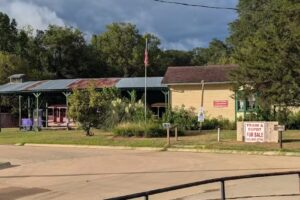
The facility itself is modest. Based on visitor photos and descriptions, it is a simple, functional building. Travelers should not anticipate an extensive gift shop, elaborate historical exhibits, or on-site food services. The focus is squarely on information dissemination. While this is a clear strength, those seeking a more comprehensive stop with multiple amenities might need to plan for other locations along their route, such as Port Angeles. The center’s value is in its information and its people, not its infrastructure.
Finally, the depth of information, while excellent for the immediate Clallam Bay, Sekiu, and Neah Bay areas, may not be as extensive for the broader Olympic Peninsula. Visitors seeking detailed information on the Hoh Rainforest or the eastern side of the Olympic National Park may find more specialized resources elsewhere. The expertise here is hyperlocal, making it an indispensable resource for its specific geographic niche but less of a one-stop-shop for a comprehensive Olympic Peninsula travel plan. It is best utilized as a primary source of information for the northwestern coastal region, supplemented by other resources for different parts of the park and peninsula.
Final Assessment for Travelers
The Clallam Bay Visitors Center is a vital asset for anyone traveling the Strait of Juan de Fuca Scenic Byway. Its primary value is delivered through friendly, knowledgeable local travel experts and the provision of essential services like free Wi-Fi in a connectivity-poor area. It embodies the spirit of a community-focused visitor services hub, offering genuine and practical advice. However, travelers should be aware of its limitations. It is not a comprehensive booking agency, and its operational hours and resources may be constrained by its volunteer-based nature. For those who appreciate authentic local interaction and require critical information for navigating the stunning but remote northwestern coast, a stop at this center is not just recommended—it's an essential part of the journey.