
City of Rocks National Reserve Visitor Center
BackThe City of Rocks National Reserve Visitor Center serves as the primary operational hub and information nexus for visitors planning to engage with the unique landscape of southern Idaho. Functioning as a specialized travel agency for the reserve and the nearby Castle Rocks State Park, this establishment is the mandatory first stop for anyone, from seasoned climbers to casual families, looking to make the most of their visit. Its high user rating is not accidental; it reflects a consistent delivery of valuable services, though prospective visitors should be aware of the inherent challenges of the natural area it serves.
The Core Strengths: Staff Expertise and Centralized Planning
The overwhelming consensus from visitor feedback points to one standout feature: the exceptional quality of the staff. The rangers at the City of Rocks Visitor Center are consistently described as profoundly knowledgeable and genuinely helpful. This isn't the standard transactional assistance one might find elsewhere; this is deep, localized expertise. Reports from visitors frequently highlight interactions with rangers who possess an intimate understanding of the area's geology, history, and current conditions. One such account mentioned a ranger who grew up in the region, offering insights that could never be gleaned from a brochure, turning a simple visit into a rich learning experience. This level of personal connection and historical context is a significant asset.
This expertise directly translates into a crucial service for any form of adventure travel: safety and planning. Numerous visitors have shared stories of how ranger advice reshaped their itineraries for the better. For instance, a hiker planning a high-elevation trek was advised against it due to lingering snowpack and steep conditions, and was instead directed to safer, lower-elevation trails like the Bath Rock Loop. This proactive guidance prevents potentially dangerous situations and ensures visitors have a positive experience tailored to the actual ground conditions, a service one would expect from top-tier tour operators.
As an information hub, the center excels. Here, visitors can handle all logistical aspects of their trip under one roof. This includes:
- Securing camping permits and reservations.
- Obtaining detailed trail maps and route suggestions.
- Registering for climbing and understanding local ethics and regulations.
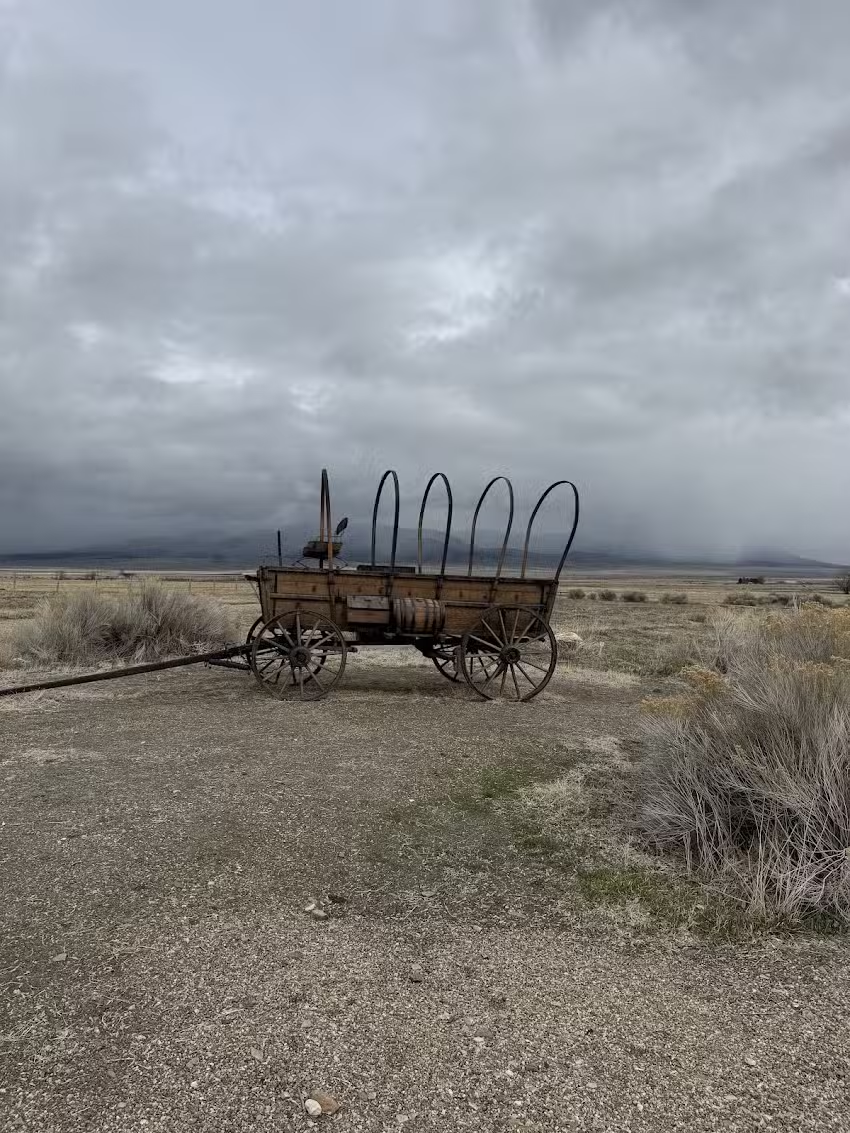
- Learning about the historical significance of the area, particularly its role as a landmark on the California Trail.
- Getting updates on weather, wildlife sightings, and any temporary closures.
This centralized system simplifies hiking trip planning and is essential in a remote area with limited cell service. The facility itself is also noted for being accessible, with a wheelchair-accessible entrance, ensuring that the planning phase of the journey is open to all.
A Destination for Varied Interests
The information and services provided cater to a wide array of tourists, making it a versatile starting point. For climbers, it is the gateway to one of the most renowned rock climbing destinations in the United States. The staff can provide information on specific routes, rock quality, and safety considerations. For hikers, the team offers recommendations for all skill levels, from short, interpretive walks to strenuous all-day treks. History enthusiasts will find a wealth of information about the pioneers who passed through, leaving their mark on the very rocks that now draw adventurers. Furthermore, the center is a resource for photographers and stargazers, providing tips on the best locations and times to capture the dramatic landscapes and dark night skies.
Points of Consideration: Navigational Realities and Infrastructure
While the visitor center itself receives high praise, it's crucial for potential visitors to understand the nature of the reserve it manages. A recurring piece of feedback, though less common, involves the challenge of navigation within the park. One visitor noted getting lost despite the availability of trails. This highlights a critical point: the City of Rocks is a rugged, semi-primitive National Reserve, not a highly developed national park. Trails may not always be perfectly marked, and the vast, complex terrain of granite fins and monoliths can be disorienting.
The visitor center's role here is to equip you with the best possible information, including maps and verbal warnings, but the onus of safe navigation ultimately falls on the visitor. This is not a failure of the tourism agency but a characteristic of the destination. Travelers should be prepared with their own navigational tools, such as a GPS device or a map and compass, and the skills to use them. The wildness of the area is part of its appeal, but it demands respect and preparedness.
Similarly, visitors hoping for extensive infrastructure like stairways or paved paths to every point of interest may need to adjust their expectations. The suggestion by a visitor for a stairway to the top of Bath Rock underscores a desire for easier access. However, the management philosophy of a National Reserve often prioritizes preservation and a natural experience over development. The visitor center can clarify which areas are easily accessible and which require more strenuous, self-sufficient effort, helping to align visitor expectations with reality before they venture out.
Conclusion: An Indispensable First Step
The City of Rocks National Reserve Visitor Center is far more than a simple checkpoint; it is an essential component of the visitor experience. Its primary strength lies in its human element—the knowledgeable and dedicated rangers who provide invaluable advice on safety, history, and recreation. It effectively serves as the central planning hub for any Idaho travel to this spectacular region, ensuring visitors are well-informed and prepared. While the untamed nature of the reserve itself presents inherent challenges like navigation, the center does an excellent job of mitigating these risks through education and resources. For anyone planning to witness the granite landscapes of the City of Rocks, a thorough stop at this visitor center is not just recommended; it is the most critical step to a successful and memorable adventure.