
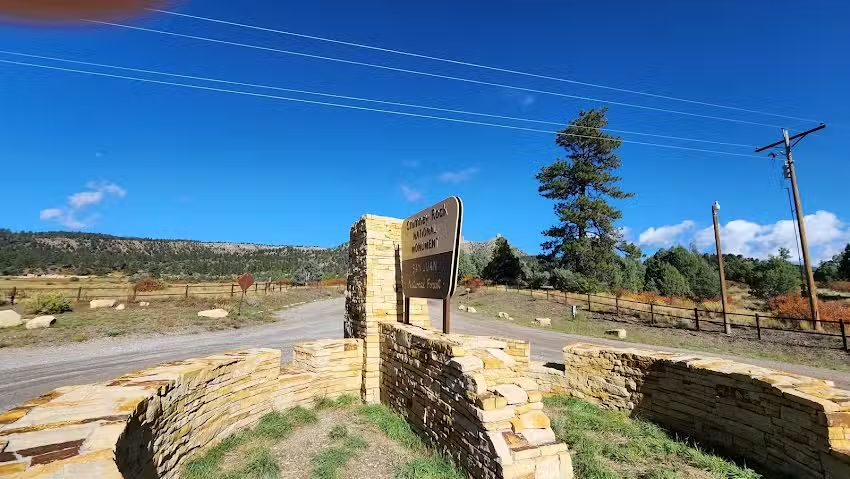
Chimney Rock National Monument
BackChimney Rock National Monument serves as a significant destination for cultural tourism, offering a direct connection to an Ancestral Puebloan community that thrived over 1,000 years ago. Managed by the U.S. Forest Service in partnership with the Chimney Rock Interpretive Association, this archaeological site provides a structured experience that blends self-guided discovery with more detailed educational opportunities. The overall sentiment from visitors is highly positive, with an average rating of 4.6 stars, reflecting a well-regarded operation. However, prospective visitors should be aware of several key factors that could influence their experience, from accessibility and road conditions to the depth of the interpretive programs available.
The Visitor Experience: Strengths and Offerings
One of the most consistently praised aspects of Chimney Rock is its staff and volunteers. Numerous visitors describe them as welcoming, helpful, and knowledgeable, which is a cornerstone of a successful tourist attraction. This positive human element is crucial, as the site's primary value lies in understanding the historical context of the ruins. The Chimney Rock Interpretive Association, a non-profit partner, is responsible for the guided tours and special programs, which include unique offerings like night sky viewings, full moon programs, and cultural gatherings that enhance any vacation planning.
The monument is structured around two primary areas on its upper mesa, catering to different levels of physical ability:
- Mesa Village Trail: This lower trail is a significant asset for accessibility. It is a paved, wheelchair-accessible path that leads to a reconstructed pit house and a Great Kiva. This considered design ensures that visitors with mobility challenges can still engage with key archaeological features, an important aspect of inclusive destination management.
- Great House Pueblo Trail: For those seeking a more strenuous activity, this upper trail provides a dose of adventure travel. The half-mile path is unpaved, rocky, and steep in sections, ascending to the impressive Great House Pueblo. The reward for this effort is not only an up-close view of the primary structure but also spectacular 360-degree views of the surrounding San Juan Mountains and landscapes of Colorado and New Mexico.
For those looking to deepen their understanding, the visitor center offers a short film about the site, which is recommended as a starting point. The availability of both self-guided options and professionally led guided tours allows visitors to tailor their itinerary planning to their interests and timeline. Furthermore, the acceptance of the National Parks and Federal Recreational Lands Pass for site access is a welcome financial benefit for frequent travelers.
Challenges and Considerations for Potential Visitors
While the experience is largely positive, there are several practical challenges to consider. The drive from the visitor center to the upper mesa parking lot is on a 2.5-mile gravel road that is described as steep, winding, and potentially rough. While manageable for most sedans, it can be bumpy and requires careful driving. It is also important to note that large vehicles like RVs and trailers are not permitted on this upper road due to limited parking and tight turns, a critical detail for travelers on extended road day trips.
The difficulty of the Great House Pueblo Trail is another major consideration. Visitors repeatedly emphasize that it is not for the faint of heart. The path is narrow, uneven, and features steep drop-offs close to the edge. Proper footwear is essential, and individuals with a fear of heights or limited mobility should carefully consider whether to undertake this portion of the visit. The high altitude (around 7,600 feet) can also pose a challenge for those not acclimated.
Other minor, yet practical, drawbacks have been noted. The selection of snacks and amenities at the visitor center is limited, so it's advisable to bring your own provisions, especially water, as none is available on site. Additionally, one visitor reported receiving questionable information from a volunteer guide. While this appears to be an isolated incident given the overwhelmingly positive feedback about the staff, it serves as a reminder that the quality of interpretive programs can sometimes vary. Cellular service is also unreliable in this remote location.
Services and Operations as a Travel Destination
Chimney Rock National Monument functions effectively as a specialized tour operator for a unique historical site. The partnership between the Forest Service and the Interpretive Association ensures a focus on both conservation and education. The fee structure requires a vehicle activity pass for entry, with additional fees for the various guided tours and special programs. These programs, which often occur outside of regular operating hours, are a significant draw and should be booked in advance through Recreation.gov, especially for popular events like the Perseids Meteor Shower viewing or the Summer Solstice Tour.
In summary, Chimney Rock National Monument offers a compelling journey into the past for those interested in Ancestral Puebloan culture. Its strengths lie in its dedicated staff, the stunning views, and the option of both accessible and challenging trails. Potential visitors should plan ahead by verifying tour schedules, preparing for the rough access road and strenuous upper hike, and bringing their own water and supplies. By understanding both the remarkable opportunities and the practical limitations, travelers can ensure a rewarding and well-prepared visit to this significant piece of American history.