Chimney Rock Museum
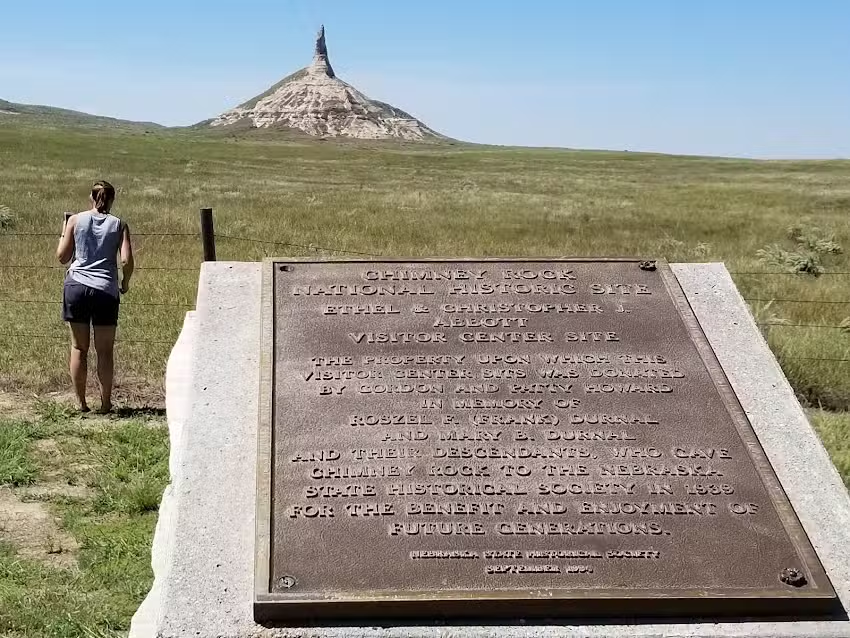
BackLocated in Bayard, Nebraska, the Chimney Rock Museum serves as the visitor center for the Chimney Rock National Historic Site, a landmark that was profoundly significant to 19th-century pioneers. Operated by History Nebraska, this facility aims to provide context to the immense geological formation that symbolized progress and hope for those undertaking the arduous journey west. While it's listed under categories including travel agency and museum, its primary function is that of an interpretive center and a key tourist attraction for those interested in the pioneer trails. For potential visitors, the establishment offers a mix of commendable historical education and certain aspects that warrant careful consideration before planning a trip.
The Visitor Experience: Exhibits and Amenities
The core of the Chimney Rock Museum is its collection of exhibits dedicated to the story of westward migration along the Oregon, California, and Mormon Trails. Visitors generally find the displays informative, with a focus on original artifacts from the era of homesteading and pioneer travel. These items provide a tangible connection to the past, allowing for a deeper appreciation of the challenges faced by travelers. The museum is not large, a point echoed by several visitors, but it effectively utilizes its space to tell a compelling story. For those planning family vacations, a notable highlight is the interactive wagon-loading exhibit, which has been praised for engaging younger visitors and making history more accessible and fun for them.
The staff receives consistent commendations for being friendly and helpful, contributing positively to the overall atmosphere. Another unique and often mentioned feature is the creative use of the bathroom facilities, where stall doors are adorned with mini-exhibits detailing some of the lesser-known perils of the trail, adding an unexpected layer of historical context. The facility is also wheelchair accessible, ensuring that visitors with mobility challenges can access the exhibits. Furthermore, for collectors and enthusiasts, the center offers passport stamps, a popular feature even though it is not an official national park.
The Gift Shop and Outdoor Environment
A significant portion of the visitor center is dedicated to its gift shop. For many, this is a positive aspect, with reviews highlighting a great selection of items, including a wide array of history books that appeal to those looking to delve deeper into the subject. However, the size of the gift shop relative to the museum has drawn some criticism. At least one visitor expressed a wish for more exhibit space at the expense of retail, suggesting a potential imbalance for those purely focused on the historical elements. Outside the museum, the site offers more than just the view. There are accessible trails perfect for a short hike, allowing visitors to get closer to the landmark. These trails are generally considered easy to walk, making them suitable for most fitness levels. As a practical note, signs are posted warning of rattlesnakes in the area, a necessary reminder for anyone venturing onto the paths. For those on extended road trip destinations, there are also camping spots available nearby, making it a convenient overnight stop.
Points of Contention: Cost and Value
The most significant point of debate among visitors is the museum's admission fee. While the official website lists the price as $5 for adults, some recent visitor reviews mention a fee of $8. This discrepancy might cause confusion, but the core issue remains that some travelers feel the price is steep for the size and scope of the museum. One visitor described the fee as feeling "steeper than chimney rock itself," opting to skip the museum entirely. This sentiment is often coupled with the suggestion of a nearby, free alternative: the Scottsbluff/Mitchell Pass museum, located about a 30-minute drive away, which some consider more informative for the price.
This cost-to-value proposition is a critical factor for many. For those deeply invested in historical tours of the American West, the fee might be a small price for the specific context the museum provides. However, for casual tourists or families on a budget, the cost could be a deterrent. Savvy visitors have pointed out that it is possible to get beautiful views of Chimney Rock without paying for museum entry. By driving past the museum entrance and taking a right onto a gravel road, one can reach a trailhead car park that offers excellent photo opportunities of the natural structure for free. This tip provides a valuable alternative for those who are primarily interested in seeing the landmark itself rather than the accompanying exhibits.
Planning Your Visit
Operational Details and Accessibility
The Chimney Rock Museum operates on a seasonal schedule. During the off-season (October 1 - April 30), it is open from Tuesday to Saturday, 9:00 AM to 4:00 PM, and is closed on Sundays and Mondays. It's crucial for travelers to check the official History Nebraska website or call ahead to confirm hours before making the trip. The establishment is a key part of Nebraska tourism, but its rural location means that planning is essential. The physical address is 9822 County Rd 75, Bayard, NE 69334.
Final Assessment
Ultimately, the Chimney Rock Museum offers a focused educational experience centered on one of America's most iconic trail landmarks. Its strengths lie in its well-presented artifacts, engaging interactive displays for children, and the sheer historical importance of its location. It's an important stop for anyone undertaking an Oregon Trail experience. However, the value proposition is subjective and hinges on the visitor's budget and level of interest. The admission fee, when compared to the museum's modest size and the availability of free viewing alternatives, is its primary drawback. For the dedicated history enthusiast, the museum is a worthwhile investment. For the budget-conscious traveler, the free viewpoints and nearby trails may offer a more than satisfactory experience of this monumental piece of American history.