Castolon Visitor Center
BackLocated at the end of the scenic 30-mile Ross Maxwell Scenic Drive in Big Bend National Park, the Castolon Visitor Center serves as a crucial outpost for information and a deep dive into the human history of this remote region. More than a simple ranger station, the entire Castolon Historic District functions as an open-air museum, offering a tangible connection to the layers of settlement, conflict, and commerce that defined life along the Rio Grande. For travelers undertaking adventure travel in the park, this stop provides essential context and services, though its operational capacity comes with significant limitations that require careful travel planning.
A Hub of History and Services
The primary strength of the Castolon Visitor Center lies in its dedication to preserving and interpreting the area's rich past. First settled in 1901 by Cipriano Hernandez, the area known as La Harmonia Ranch and later Campo Santa Helena has a storied history involving farming, the Mexican Revolution, and the establishment of a U.S. Army cavalry camp. The visitor center itself, along with exhibits, is housed within historic structures, providing an immersive experience. Visitors consistently praise the quality of the historical exhibits, which detail the lives of early inhabitants and the evolution of the settlement. These displays, though described as being in a "small, historic building," are considered a worthwhile part of any visit.
Beyond its historical value, Castolon provides practical amenities that are highly valued in the park's rugged environment. A standout feature mentioned by multiple visitors is the availability of clean, air-conditioned restrooms—a welcome relief from the desert heat. Furthermore, the Castolon Store, historically the La Harmonia Store, is a vital resource. It offers premade sandwiches, snacks, drinks, and souvenirs, allowing visitors to restock or enjoy an impromptu picnic at the shaded tables outside. This makes the center a functional stop for those planning sightseeing tours to the nearby Santa Elena Canyon or other points of interest. The presence of knowledgeable park rangers, noted for being kind and patient with questions, further enhances its role as a key tourist information center for the western side of the park.
The Impact and Recovery from the 2019 Fire
A critical event in the recent history of Castolon was the devastating wildfire in May 2019. Originating in Mexico, the fire jumped the Rio Grande and, fueled by high temperatures and winds, showered embers across the historic district. The fire caused extensive damage to the historic barracks building, which at the time housed both the La Harmonia Store and the visitor center. Despite the heroic efforts of firefighters who saved most of the other historic structures, the loss of this central building was a significant blow. In the aftermath, the National Park Service has worked to recover and adapt. The visitor center was temporarily relocated to one of the historic Officer's Quarters buildings, and new exhibits have been developed to continue telling the story of the area. This event is now part of Castolon's long history of resilience, adding another layer to the story visitors can discover.
Considerations for Potential Visitors
Despite its many positive attributes, prospective visitors must be aware of several significant drawbacks. The most prominent issue is the center's limited and seasonal operational schedule. The Castolon Visitor Center is typically open only from November through April, completely closing during the hotter summer months. Even during its open season, daily hours are restricted, usually from 10:00 AM to 4:00 PM, with a one-hour closure for lunch in the middle of the day. This narrow window requires precise scheduling and can be inconvenient for visitors on a tight itinerary. It is not uncommon for travelers to arrive and find the visitor center closed, though the general store may maintain different hours.
Another point to consider is the scale of the facility. As noted by visitors, it is a "quieter and smaller visitor center" compared to the main hub at Panther Junction. While this contributes to a less crowded atmosphere, it also means services and exhibit space are more limited. Those seeking comprehensive park-wide information or extensive bookstore selections might be better served at the larger centers. The remote location, while scenic, also means the journey is a significant time commitment, making it all the more important for visitors to verify operational hours on the official National Park Service website before making the drive.
The Verdict
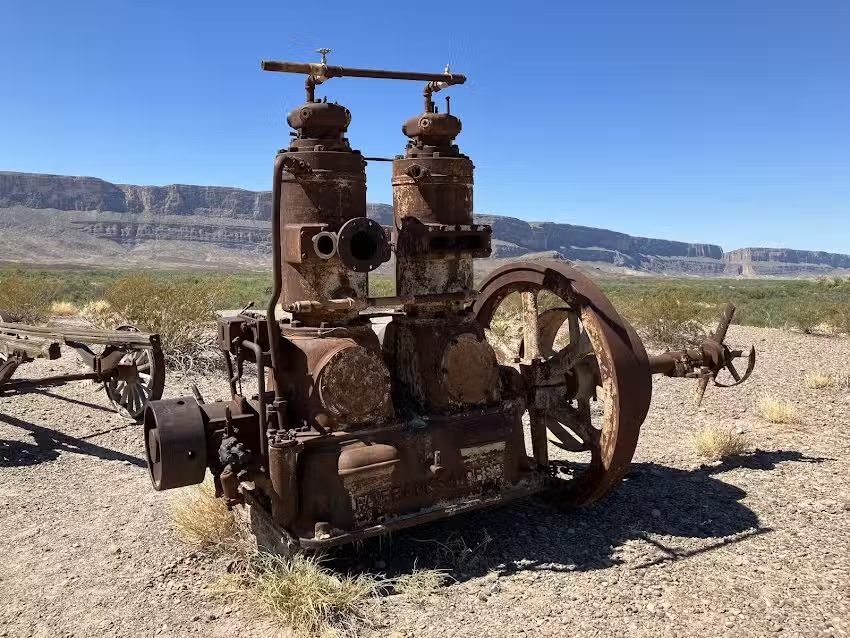
The Castolon Visitor Center and its surrounding historic district offer a unique and valuable experience within Big Bend National Park. It is not merely a service stop but a destination in itself, providing a profound glimpse into the perseverance of those who carved out a life in this challenging landscape. The combination of historical exhibits, remnants of the old cotton gin and farming equipment, and the preserved adobe buildings creates a powerful sense of place. For any independent traveler or tour operator planning national park tours, including Castolon offers a richer, more complete narrative of Big Bend.
However, its appeal is tempered by logistical challenges. The strict seasonal and daily hours are a major hurdle that can lead to disappointment if not accounted for. Any travel agency advising clients should emphasize the need to check the center's status before visiting. Ultimately, for those whose schedules align and who are interested in the human story behind the dramatic landscapes, Castolon is an essential stop. It provides a quiet, reflective counterpoint to the park's grand natural features, rewarding those who make the journey with a deeper understanding of this historic borderland.