
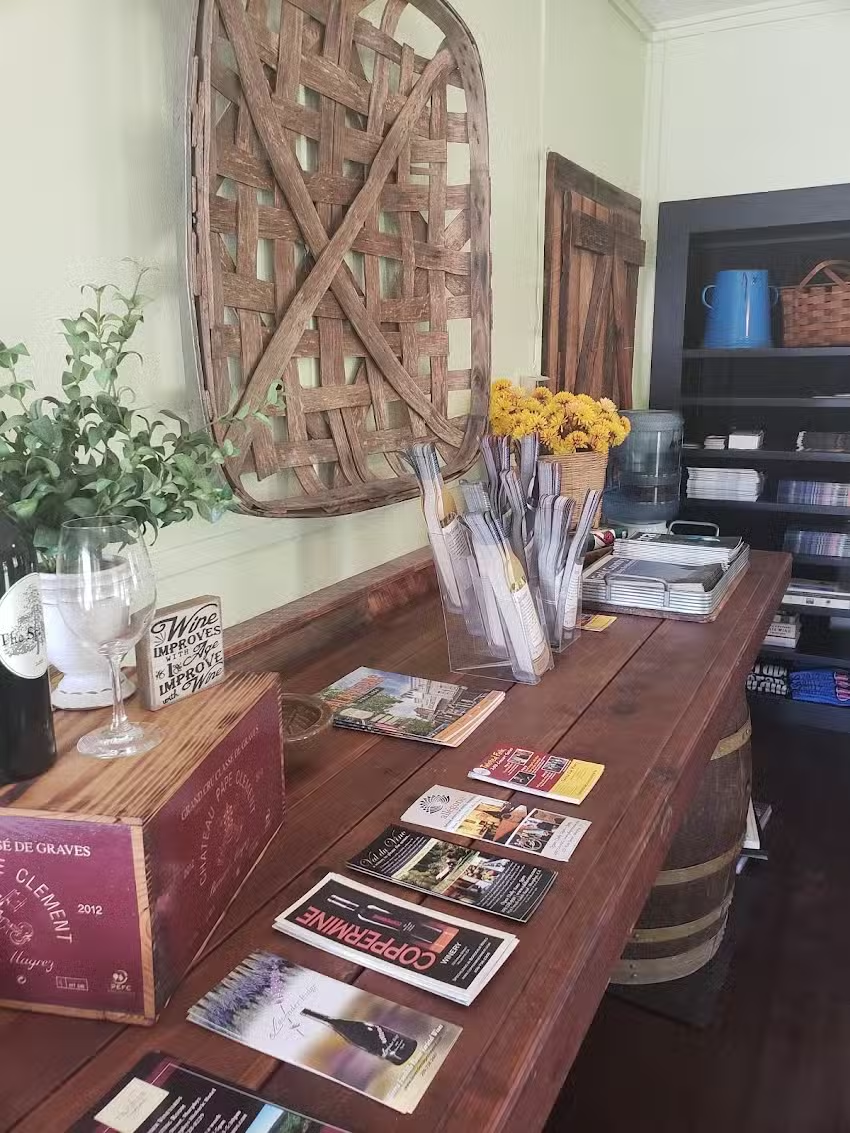
Calaveras Wine Information Center
BackThe Calaveras Wine Information Center, located at 202 Main St in Murphys, California, operates as a highly specialized travel agency focused exclusively on the region's viticulture. It presents itself not merely as a kiosk with brochures, but as a strategic first stop for anyone planning to engage with the local wine scene. Its primary function is to equip visitors with the knowledge and resources needed for a self-directed yet well-informed wine tasting tour. The center is the official hub for the Calaveras Winegrape Alliance, lending significant credibility to its recommendations and the materials it provides. This affiliation suggests that the information offered is not just curated by enthusiasts, but by the very organization representing the wineries themselves.
Service and Offerings: A Closer Look
For potential visitors, the main appeal of this establishment lies in its ability to streamline the planning process. The Calaveras wine region is home to numerous wineries, many of which are smaller, family-owned operations that may not have a large marketing presence. The center bridges this gap. Based on visitor feedback, the staff is a key asset. Employees, such as Sue mentioned in one review, are commended for being helpful and providing specific, valuable recommendations. This goes beyond just pointing to the nearest tasting room; it involves a consultative approach. For instance, a visitor looking for the best Barbera was successfully directed to specific wineries, indicating a deep, practical knowledge of the local offerings. This level of personalized service elevates the center from a simple information booth to a functional travel planner for oenophiles.
Another significant benefit reported by patrons is the availability of cost-saving incentives. The center provides two-for-one tasting passes, which can substantially reduce the cost of a day spent touring multiple wineries. This is a tangible monetary benefit that adds immediate value to a visit. In addition to financial perks, the center distributes essential logistical tools, most notably a comprehensive winery map. This is crucial for navigating the area and discovering producers who might be located "off the beaten path." By encouraging visits to these less-obvious wineries, the center helps create a more diverse and complete wine country vacation experience, moving beyond the most commercially prominent names.
The Positive Aspects for Travelers
- Expert, Centralized Information: As the official voice of the Calaveras Winegrape Alliance, the center provides authoritative and reliable information. This is invaluable for first-time visitors who may be overwhelmed by choices.
- Personalized Recommendations: The staff's ability to offer tailored suggestions based on wine preferences (like specific varietals) is a cornerstone of their service, effectively creating a customized wine tour itinerary on the spot.
- Financial Savings: Access to tasting passes and other potential discounts makes a visit economically advantageous for those planning to visit several tasting rooms.
- Discovery of Hidden Gems: By providing maps and insider knowledge, the center facilitates exploration of the entire region, including smaller wineries that contribute to the area's unique character. It acts as a tour operator by curating a broader, more authentic experience.
Operational Limitations and Accessibility Concerns
Despite its clear benefits, the Calaveras Wine Information Center operates under constraints that potential visitors must consider. The most significant drawback is its severely limited operating schedule. The center is only open on Fridays, Saturdays, and Sundays, from 10:00 AM to 4:00 PM. It remains closed from Monday through Thursday. This schedule strictly caters to weekend tourism and completely excludes anyone visiting the area during the majority of the week. Travelers planning a mid-week trip will find this resource unavailable, forcing them to rely on their own research, which may not be as efficient or insightful.
A second, and very critical, issue is the lack of accessibility. The provided information explicitly states that the establishment does not have a wheelchair-accessible entrance. This is a major barrier that prevents individuals with mobility impairments from using its services. In today's hospitality landscape, this is a significant shortcoming that limits the center's ability to serve the entire community of potential visitors. Any traveler requiring wheelchair access will need to bypass this resource entirely, which is a considerable disadvantage for both the customer and the business.
Finally, while the existing customer reviews are positive, the total volume of feedback is very low. With only a handful of ratings available publicly, it is difficult to gauge the long-term consistency of the service. While current reports are favorable, a broader base of reviews would provide a more robust picture of the typical visitor experience over time.
The Negative Aspects for Travelers
- Restrictive Hours: The weekend-only schedule is a major inconvenience for a large number of potential visitors and limits its utility as a comprehensive resource for regional tourism.
- No Wheelchair Access: The lack of a wheelchair-accessible entrance is a critical failure in accessibility, excluding a segment of the traveling public.
- Limited Public Feedback: The small number of available reviews makes it challenging to assess the consistency of the customer experience over an extended period.
Conclusion: A Valuable but Conditional Resource
The Calaveras Wine Information Center serves a valuable role as a specialized travel agency for the Murphys wine region. For the weekend traveler who is new to the area and does not have accessibility needs, it is an outstanding starting point. It offers expert advice, money-saving opportunities, and the tools needed to construct memorable vineyard tours. The association with the Calaveras Winegrape Alliance provides a seal of authority that is hard to replicate. However, its significant limitations—the weekend-only hours and the lack of wheelchair access—cannot be overlooked. These factors make it a conditional resource. Prospective visitors must plan their trip carefully around its narrow window of operation and be aware of the physical accessibility barriers. For those whose plans align with its availability, it is an excellent asset; for others, it will unfortunately remain an untapped resource.