
Black Bayou Lake National Wildlife Refuge Visitor Center
BackLocated within the city limits of Monroe, Louisiana, the Black Bayou Lake National Wildlife Refuge Visitor Center serves as a crucial gateway to a 5,300-acre preserve dedicated to habitat and wildlife conservation. This facility is more than just an entry point; it's an integral part of the visitor experience, offering a blend of educational resources and direct access to the natural environment. For those engaged in travel planning, it represents a significant opportunity for nature tourism, though a comprehensive assessment reveals both outstanding strengths and points of consideration for potential visitors.
A Hub for Wildlife Viewing and Outdoor Activities
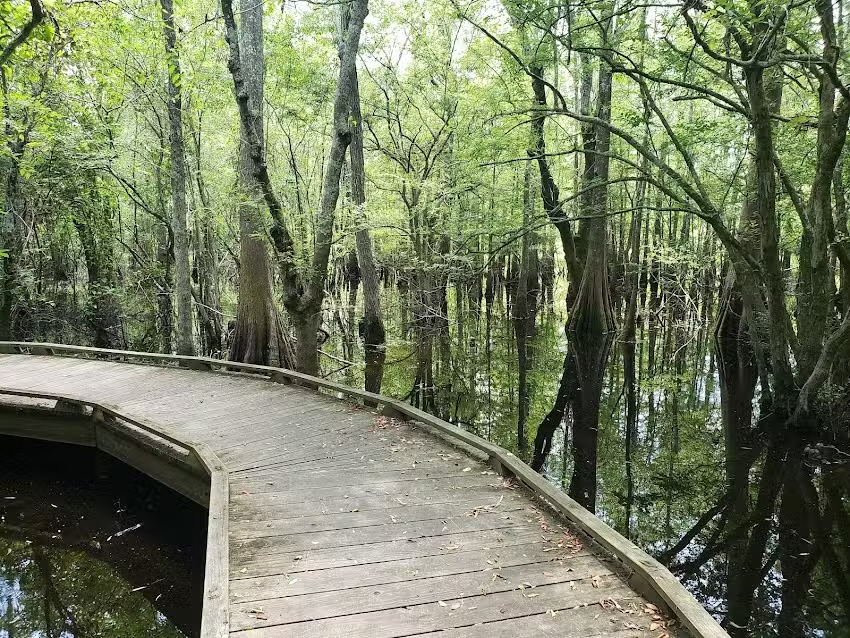
The primary allure of Black Bayou is its abundant and accessible wildlife. Visitors frequently report sightings of the American alligator, with some accounts noting a particularly large individual over 12 feet long that inhabits the area. Beyond this iconic reptile, the refuge is a haven for a diverse array of species including deer, snakes, turtles, and a remarkable variety of birds. For enthusiasts of wildlife viewing, this makes the refuge a premier destination. The infrastructure is thoughtfully designed to maximize these opportunities, featuring an extensive system of boardwalks and piers that extend over the water, allowing for safe and intimate observation of the cypress-tupelo swamp ecosystem. Well-maintained trails, photo blinds, and an observation deck further enhance the experience.
The range of outdoor activities available is extensive. The refuge offers clearly marked trails for hiking, a designated canoe trail on the 1,600-acre lake, and canoe and kayak rentals for those wishing to get on the water. Fishing is a popular pastime, with a boat launch providing access to the lake. Birdwatching is another key activity, as the refuge provides critical habitat for waterfowl, neo-tropical migrants, and resident songbirds, with over 231 species recorded. These varied offerings position the refuge as a versatile spot catering to casual nature walkers, serious anglers, and dedicated birders alike, making it a key tourist attraction for the region.
Educational and Conservation Efforts
Black Bayou distinguishes itself through its strong emphasis on education and conservation. The Visitor Center is housed in a restored 19th-century planter's house and features interactive exhibits. Adjacent to it, the Conservation Learning Center provides a more focused educational experience with live animal exhibits, including native fish and reptiles, and a classroom space. This commitment to education makes it an excellent choice for family-friendly destinations. The grounds also include an arboretum with native Louisiana plants and a prairie demonstration area, showcasing the diverse habitats the organization works to preserve.
The conservation work is not just for display. The refuge actively manages the habitat to support endangered wildlife, such as through a nest box program for prothonotary warblers and efforts to protect alligator snapping turtle nests. These tangible conservation efforts, sometimes visible to the public through events like turtle releases, add a layer of depth to the visitor experience, transforming a simple park visit into an appreciation for active environmental stewardship—a core tenet of modern eco-tourism.
Realities and Considerations for Visitors
While the overall feedback for the refuge is overwhelmingly positive, a realistic appraisal highlights a few issues that potential visitors should be aware of. One of the most significant concerns noted by past guests is the presence of litter, particularly fishing-related trash left on the boardwalks. While the park provides ample trash receptacles, the responsibility ultimately falls on visitors to adhere to "leave no trace" principles. This issue serves as a critical reminder that the preservation of such natural spaces is a shared responsibility.
Another point of caution involves wildlife interaction. A large alligator has been observed approaching boardwalks and opening its mouth, behavior that suggests it has become accustomed to being fed by humans. This is a dangerous precedent that habituates wild animals to humans and poses risks to both. The refuge has clear signage prohibiting the feeding of wildlife, and it is imperative for all visitors to respect these rules to maintain the integrity of the ecosystem and ensure safety. A responsible travel agency would always emphasize such guidelines when recommending nature-based excursions.
Planning a Successful Trip
To make the most of a visit, some practical travel planning is beneficial. Wildlife activity, especially that of alligators, is often dependent on the weather and time of day. Visitors suggest arriving early in the morning or later in the afternoon for the best chances of seeing active gators, as they tend to be less visible during the heat of midday. Additionally, trails can occasionally be flooded after periods of heavy rain, so checking conditions ahead of time might be prudent.
- Location: 480 Richland Pl, Monroe, LA 71203
- Operating Hours: The refuge grounds are open from sunrise to sunset daily. However, the Visitor Center and Conservation Learning Center have specific hours that vary and are subject to volunteer availability, so it's best to check the official website or call (318) 387-1114 for the most current information.
- Accessibility: The main visitor areas, including the visitor center, many trails, and the wildlife pier, are noted as being wheelchair accessible, ensuring a welcoming experience for all guests.
In conclusion, the Black Bayou Lake National Wildlife Refuge is a remarkable asset for both the local community and visitors pursuing authentic Louisiana travel. It offers an immersive and educational experience in a well-managed natural environment. While the actions of a few irresponsible visitors can impact the landscape, the refuge itself provides an outstanding framework for appreciating the region's unique ecology. For those seeking genuine encounters with wildlife and a deeper understanding of conservation, it stands as a highly recommended destination, provided one approaches the visit with respect and mindfulness.