
Big Stone National Wildlife Refuge – Visitor Center
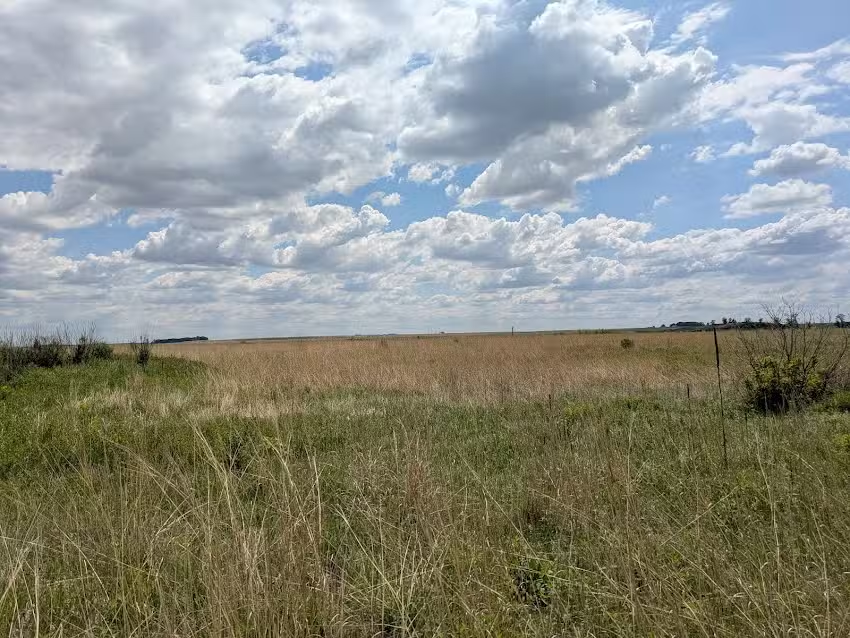
BackLocated in Odessa, Minnesota, the Big Stone National Wildlife Refuge and its Visitor Center serve as a crucial access point for a significant natural area focused on conservation and recreation. Functioning as more than just a park, this establishment operates as a key tourist attraction for the region, offering a suite of activities managed with the precision of a specialized tour operator. It provides a structured yet wild experience for visitors interested in nature travel and immersive wildlife encounters. The refuge, established in 1975, spans over 11,500 acres of diverse habitats, including tallgrass prairie, wetlands, and granite outcrops, all centered around the headwaters of the Minnesota River.
Assets and Opportunities for Visitors
The primary strength of the Big Stone National Wildlife Refuge is its remarkable biodiversity and the varied landscape that supports it. Visitors frequently report sightings of iconic American wildlife, including bald eagles, white-tailed deer, pelicans, and cormorants. For enthusiasts planning bird watching trips, this refuge is a premier destination. It serves as a vital stopover on the Mississippi and Central flyways, attracting enormous flocks of waterfowl during migration seasons, with counts reaching up to 17 species of ducks and over 20 species of shorebirds. Summer brings nesting grassland birds like bobolinks, making it a year-round point of interest for ornithologists and casual observers alike. The staff, including refuge officers, are often praised for being helpful and friendly, enhancing the visitor experience by providing information and assistance, much like a dedicated customer service team at a top-tier travel agency.
The refuge excels in offering a variety of well-organized recreational options. The most celebrated feature is the self-guided auto tour, a paved route of approximately six miles that allows visitors to traverse the main habitats comfortably from their vehicles. This tour is thoughtfully designed with numbered stops and informational leaflets that detail specific features of the landscape and ecosystem. For those who prefer a more active approach to outdoor recreation, numerous trails are available. The Granite Outcrop Trail is a particular highlight, offering panoramic views and a chance to see unique flora, including the state-endangered ball cactus. This geological feature, with its ancient, exposed rock, provides a dramatic contrast to the surrounding prairie. Accessibility is also a noteworthy positive; the Visitor Center has a wheelchair-accessible entrance, and there is an accessible fishing pier available, ensuring that visitors with mobility challenges can also enjoy the refuge's offerings.
Key Activities and Facilities
- Self-Guided Tours: The auto tour is the centerpiece of the visitor experience, providing easy access to prime wildlife viewing areas. This makes it an excellent option for families and those with limited mobility.
- Hiking and Walking: Multiple trails, including a short paved loop and a more extensive unpaved trail system, cater to different fitness levels. These paths lead through prairie, wetlands, and woodlands along the Minnesota River.
- Wildlife Photography: With its abundant fauna and scenic vistas, the refuge is a prime location for photographers. Early morning and evening hours are recommended for the best opportunities to capture animals in action.
- Fishing: Fishing is permitted along the banks of the Minnesota and Yellowbank Rivers, as well as from designated fishing platforms. This adds another layer to the recreational offerings, appealing to anglers seeking a serene environment.
Challenges and Considerations for Potential Visitors
Despite its many positive attributes, a visit to Big Stone National Wildlife Refuge requires careful planning due to some significant limitations. The most frequently cited issue is the lack of readily available, unlocked restrooms. While the official website mentions restrooms at the visitor center and comfort stations along the auto tour, visitor feedback indicates these are not always accessible, with some mentioning only vault toilets being available. This is a critical piece of information for families with young children or any visitor planning to spend several hours exploring the vast grounds. It is advisable to plan your trip with this limitation in mind and utilize facilities before entering the main refuge areas.
Another point of consideration involves potential natural hazards. As with any wild area, visitors should be prepared. Reviews have specifically mentioned the presence of poison ivy along some trails, such as the Upper River trail. Insect repellent is also highly recommended, as warm weather brings mosquitoes and ticks. The weather in this region can be extreme, with very cold winters and hot summers that can produce fast-moving thunderstorms. Proper attire and checking the forecast are essential steps before any visit.
Finally, there can be some confusion regarding operating hours. The refuge grounds themselves are generally open from dawn to dusk for approved activities. However, the Visitor Center, which houses exhibits and provides detailed information, operates on a more restricted schedule, typically weekdays from morning to late afternoon (e.g., 7:30 AM to 4:30 PM). Visitors arriving on a weekend hoping to speak with staff or view indoor exhibits may be disappointed. This distinction between the refuge's accessibility and the Visitor Center's hours is a crucial detail for anyone planning a comprehensive visit, especially those seeking eco-tourism educational opportunities.
Final Assessment for Travelers
Big Stone National Wildlife Refuge stands out as a valuable destination for those seeking authentic Minnesota tourism experiences centered on nature and wildlife. Its well-maintained auto tour, diverse trails, and abundant wildlife make it a strong choice for a day trip or a dedicated stop in a larger itinerary. The experience it offers aligns well with the goals of eco-tourism, focusing on conservation and low-impact enjoyment of a restored prairie ecosystem. It is an ideal spot for many travelers, from serious birdwatchers to families looking for an accessible introduction to the outdoors, positioning it as one of the more compelling family vacation spots in the region for nature lovers.
However, the practical shortcomings, particularly the inconsistent availability of restroom facilities, cannot be overlooked. This requires visitors to be more self-sufficient than they might be at other managed attractions. By planning ahead—checking the Visitor Center hours, preparing for the weather, packing necessary supplies like water and insect repellent, and being mindful of the restroom situation—visitors can mitigate these challenges. The overall verdict is highly positive, provided one arrives well-informed and prepared for a rustic experience. The refuge delivers an impressive and memorable connection to the natural world that is well worth the effort.