
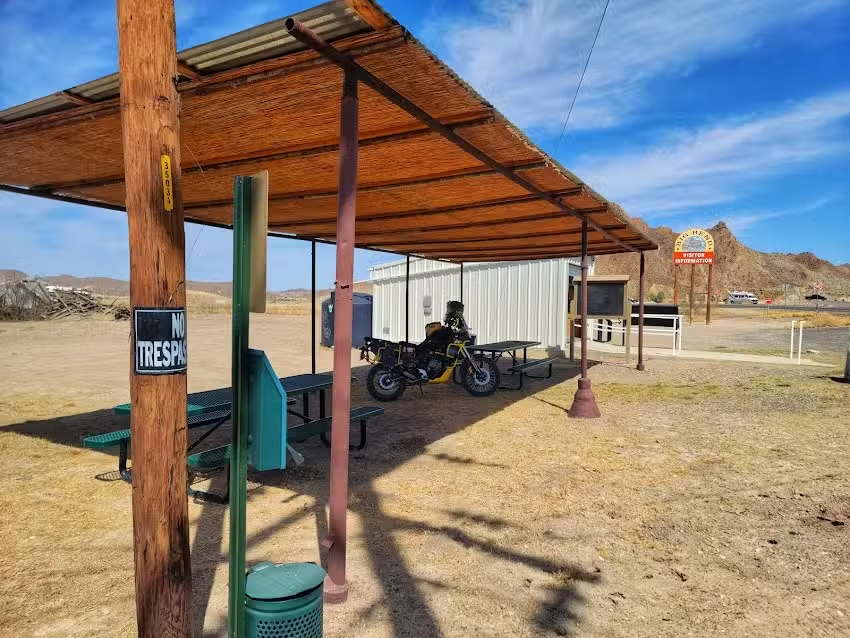
Big Bend Visitor Information
BackLocated on Texas State Highway 118, the Big Bend Visitor Information center presents itself as a crucial first stop for travelers heading towards the vast wilderness of the Big Bend region. This facility, however, operates on a unique model that sets it apart from typical visitor centers, offering a mix of significant advantages and notable limitations that potential visitors should understand to make the most of their journey. It serves less as a conventional travel agency and more as a self-service outpost for initial trip planning.
A 24/7 Resource for Independent Travelers
The most significant benefit of this information center is its accessibility. Operating 24 hours a day, seven days a week, it caters to every kind of traveler, from those arriving late at night after a long drive to early risers eager to get a head start. This round-the-clock availability is possible because the center is an unattended facility. Inside the small, well-maintained building, visitors will not find staff but will discover a wealth of printed materials. The walls are lined with racks of brochures, maps, and flyers from a wide array of local businesses.
This collection of resources is the core strength of the center. Travelers can gather information on a multitude of activities and services, effectively building their own travel itineraries right on the spot. Information is available for:
- Local tour operators: Find companies offering guided river trips, jeep tours, hiking excursions, and horseback riding.
- Lodging and Dining: Peruse options for hotels, vacation rentals, campgrounds, and restaurants in Terlingua, Study Butte, and Lajitas.
- Adventure travel opportunities: Get details on everything from kayaking the Rio Grande to exploring remote off-road trails.
Beyond the brochures, the center provides valuable context with framed displays detailing the rich history of the area. Outside, interpretive signs offer further insight into the local environment. These elements make it a valuable educational stop, not just a commercial one.
Essential Amenities in a Remote Location
Recognizing the needs of travelers in this remote part of Texas, the facility offers several key amenities that enhance its utility. The availability of free Wi-Fi is a major draw, providing a rare opportunity to connect, download maps, and check last-minute details before venturing into an area known for spotty or nonexistent cell service. Covered picnic tables offer a shaded spot to rest, reorganize, and review the materials just collected. For those traveling with pets, the center is dog-friendly and even provides pet waste bags and a garbage pail, a thoughtful touch that makes it a convenient pit stop for the whole family.
Understanding the Limitations: What This Center Is Not
While the 24/7 self-service model is a great convenience, it comes with inherent drawbacks. The most critical point for visitors to grasp is that this is an unstaffed kiosk. There are no rangers or tourism professionals available to offer personalized advice, answer specific questions, or provide real-time updates on conditions within Big Bend National Park. Visitors seeking information on trail closures, road conditions, weather forecasts, or campsite availability will need to consult official National Park Service (NPS) channels or visit one of the staffed visitor centers inside the park, such as the one at Panther Junction.
Potential for Confusion with Official Park Services
The name "Big Bend Visitor Information" can create confusion, leading some to mistake it for an official NPS facility. This misunderstanding is evident in some online reviews where visitors have attributed negative experiences that occurred within the national park—such as issues with campground management or interactions with park rangers—to this specific information center. It is essential to clarify that this location is a regional tourist information center, likely operated by the local tourism board, and is entirely separate from the federal administration of Big Bend National Park. It is not a place to purchase park passes, obtain backcountry permits, or report issues that happen inside the park's boundaries. Its purpose is to promote regional commerce and activities, not to manage park operations.
Managing Expectations for a Smooth Visit
Travelers should approach this center with the right expectations. It is a small building designed for a quick stop to gather physical media. It is not a large, interactive interpretive center like those found within many national parks. The information, being in print format, may not always be the most current. It's always a good practice to call ahead to any tour operators or businesses you find here to confirm hours and availability. The goal of this center is to provide a broad overview of what the region offers, empowering travelers to take the next steps in creating their own custom travel packages by contacting vendors directly.
In conclusion, the Big Bend Visitor Information center on TX-118 is a highly practical and valuable asset for anyone visiting the area. Its 24/7 accessibility and wealth of brochures make it an indispensable tool for preliminary trip planning. By offering crucial amenities like free Wi-Fi and a place to rest, it serves as a welcome oasis for road-weary travelers. However, its effectiveness is maximized when visitors understand its role as a self-service, unstaffed hub for regional information, distinct from the official, staffed visitor centers of Big Bend National Park. Use it as your starting point to discover the possibilities, but rely on official sources and direct contact for the timely, critical details that ensure a safe and successful adventure.