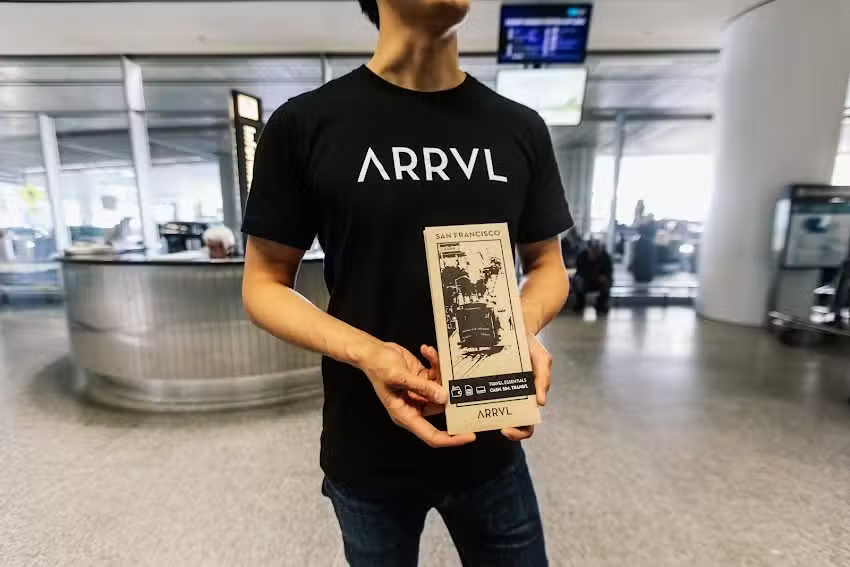
ARRVL – International Travel Essentials
BackARRVL - International Travel Essentials, formerly located at 149 New Montgomery Street in San Francisco, presented itself as a specialized travel agency. However, prospective clients should be aware of the most significant drawback upfront: the business is now listed as permanently closed. This status overrides any potential benefits it may have once offered, as it is no longer an operational entity for any form of travel planning or consultation. Despite its closure, an analysis of its name and stated purpose provides insight into the niche it aimed to fill within the competitive tourism industry.
The primary appeal of a business like ARRVL would have been its dedicated focus on the complexities of international travel. Unlike generalist agencies that might primarily handle booking flights and hotel reservations, the name "International Travel Essentials" implies a more comprehensive and specialized service. For travelers embarking on complex journeys, particularly to destinations with stringent entry requirements, this focus could have been invaluable. The agency likely offered expert consultation on necessary documentation, from passport validity checks to intricate visa application processes, which are often significant pain points for inexperienced and even seasoned travelers. This level of dedicated service would have distinguished it from larger, more impersonal online booking platforms and positioned it as a premium service provider for those seeking detailed, hands-on assistance.
Potential Strengths of a Specialized Service Model
Had the agency been operational, its value would have rested on its ability to act as a one-stop solution for pre-trip preparations. This is a crucial area where many travelers falter. A key service offering could have been sourcing and advising on comprehensive travel insurance policies. Navigating the fine print of insurance to ensure adequate coverage for medical emergencies, trip cancellations, or lost luggage is a daunting task, and expert advice in this domain is highly sought after. ARRVL could have partnered with reputable insurers to offer clients plans tailored to their specific itineraries, whether for high-altitude trekking, scuba diving, or extended multi-country tours.
Furthermore, the "Essentials" part of its name suggests a potential foray into curating and providing necessary travel gear. This could have ranged from recommending specific types of luggage and packing organizers to advising on essential electronics like universal power adapters and portable chargers. For clients planning adventure travel, this service might have extended to specialized equipment, vaccinations, and region-specific health precautions. This holistic approach to travel planning would have offered immense peace of mind, allowing clients to feel fully prepared and confident before departure. The creation of customized trips that include not just the itinerary but also the necessary preparation and gear would have been a significant selling point.
The Human Element in a Digital World
Another potential advantage was the human element. In an era dominated by algorithms and automated customer service, having access to a dedicated travel professional for personalized advice is a luxury. Clients could have benefited from consultations that addressed their specific concerns, travel style, and budget. This personalized interaction is something that cannot be replicated by online FAQs or chatbots. A professional at ARRVL could have offered nuanced advice based on real-world experience, such as local customs, transportation tips, and safety protocols, making them function almost as personal tour operators for the planning phase of a journey. This high-touch service model would have been particularly appealing to corporate clients, families, or individuals planning milestone trips who prioritize a seamless experience over minimal cost.
Inherent Weaknesses and Market Challenges
Despite these potential strengths, the business model faced significant challenges, which likely contributed to its closure. The most apparent weakness is the immense competition from the digital marketplace. Today's travelers have a vast array of online tools at their disposal. Websites and apps provide direct access to flight and hotel bookings, often at highly competitive prices. Information regarding visa requirements is readily available on government and embassy websites, and countless blogs and forums offer detailed travel advice for free. Furthermore, e-commerce giants provide a massive selection of travel essentials with next-day delivery. A brick-and-mortar agency with a physical office in a high-rent district of San Francisco would have had substantial overhead costs, making it difficult to compete on price with lean, online-only operations.
The niche focus, while a differentiator, could also have been a limitation. The market for clients willing to pay a premium for such comprehensive, hands-on planning might be smaller than the mass market of budget-conscious, DIY travelers. The business would have needed to effectively communicate its value proposition to justify its fees in a market where information and booking tools are largely perceived as free.
External Pressures on the Travel Industry
It is impossible to ignore the external factors that have impacted the travel industry. The global pandemic brought international travel to a standstill for an extended period, dealing a devastating blow to travel agencies, airlines, and hotels worldwide. A business specializing in international travel would have been particularly vulnerable. With borders closed and travel restrictions in constant flux, the demand for its services would have plummeted. It is highly probable that this unprecedented global event was a primary factor in the company's permanent closure. The recovery in the travel sector has been uneven, and many smaller, specialized businesses have been unable to weather the prolonged period of zero revenue followed by a slow and uncertain rebound.
In conclusion, while ARRVL - International Travel Essentials is no longer a viable option for travelers, its concept highlights a specific need within the tourism market. The idea of a dedicated service to manage the complex details of international travel preparation remains a compelling one. The potential benefits included expert guidance on documentation, insurance, and essential gear, all delivered through personalized service. However, the business faced substantial headwinds from online competition, the high costs of a physical location, and catastrophic external events like the pandemic. Its closure serves as a case study on the challenges facing specialized service providers in the modern travel industry. For the consumer, it underscores the fact that while a business may have an appealing concept, its operational status is the most critical factor of all.