
Albright Visitor Center
BackSituated in the Mammoth Hot Springs historic district, just five miles from Yellowstone's North Entrance, the Albright Visitor Center serves as a crucial starting point for many visitors embarking on their park journey. Housed in a beautifully preserved 1909 stone building, it functions as much more than a simple information desk; it operates as a vital hub for trip planning and education. Originally built as the bachelor officers' quarters for the U.S. Army at Fort Yellowstone, the structure itself offers a tangible connection to the park's pre-National Park Service era, lending a unique historical weight to any visit. This center is named after Horace M. Albright, the second director of the National Park Service, and is notably the only visitor center in Yellowstone open year-round, providing essential services across all seasons.
The Strengths: An Invaluable Resource for Park Visitors
For those creating a Yellowstone vacation plan, the Albright Visitor Center is an indispensable first stop. Its primary strength lies in the direct access it provides to knowledgeable park rangers. These rangers act as on-the-ground experts, offering real-time updates on road closures, trail conditions, and recent wildlife sightings. This function is akin to a specialized travel agency, where instead of booking flights, visitors receive tailored advice to build a safe and memorable travel itinerary. Whether you have questions about backcountry permits, fishing regulations, or the best times to view wildlife in the Lamar Valley, the staff here provide clear and helpful guidance. This personalized service is consistently highlighted by visitors as a significant asset, transforming a potentially overwhelming park experience into a structured adventure.
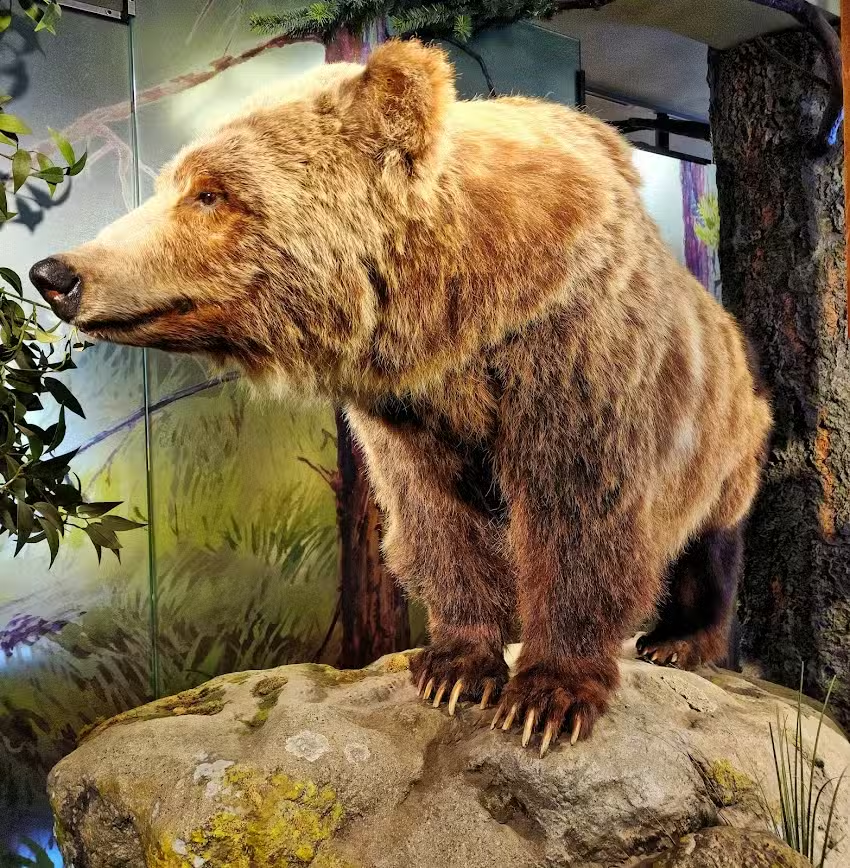
Beyond human resources, the center houses a wealth of educational exhibits that cater to a wide audience. The displays delve into the park’s complex ecosystems, geothermal features, and rich cultural history. The exhibits cover the area's history from its early Native American inhabitants through the eras of mountain men, initial explorations, and the establishment of the National Park Service. Families and children are often drawn to the impressive taxidermy displays of Yellowstone's iconic wildlife, including a life-size bison, which provide an up-close look at the animals they hope to see. Interactive elements, such as a hands-on comparison of antlers and horns, further engage younger visitors. On the lower level, historical photographs and galleries dedicated to artists like Thomas Moran and William Henry Jackson offer deeper context on the park's artistic and exploratory heritage.
Amenities and Historical Context
The practical amenities offered at the Albright Visitor Center enhance its utility. Visitors consistently praise the clean restrooms and the well-stocked gift shop, which is operated by the Yellowstone Forever organization and offers a selection of books and souvenirs. The building is also wheelchair accessible, following a major renovation completed in 2015 that also included seismic retrofitting and a complete refurbishment of the interior exhibits. The center's location within the Mammoth Hot Springs village is another advantage, placing it within a short walk of a general store, post office, and gas station, making it a convenient base for stocking up on supplies. The presence of picnic tables in the back provides a pleasant spot for families to rest and regroup.
The Drawbacks: Navigating the Challenges of Popularity
Despite its many strengths, the Albright Visitor Center is not without its challenges, most of which stem directly from its popularity and historical limitations. The most frequently cited issue is overcrowding. The 1909 building, while historically significant, was not designed to accommodate the millions of tourists who visit Yellowstone annually. During peak season, particularly in the summer months and around midday, the interior can feel cramped and congested. Visitors often report that the small size of the building makes it difficult to move around freely and fully appreciate the exhibits when it's busy.
This congestion invariably spills outside, leading to the second major drawback: parking. Finding a parking spot in the Mammoth Hot Springs area during peak hours can be a significant source of frustration. The lot serves not only the visitor center but also the surrounding hotel, restaurants, and shops, leading to high demand for a limited number of spaces. Visitors are often forced to circle the area multiple times or park a considerable distance away, which can be an inconvenient start to their park experience, especially for those with mobility issues or young children. Planning a visit for early in the morning or later in the afternoon is a common strategy to mitigate both the crowds and the parking difficulties.
Scope and Visitor Expectations
While the exhibits are well-curated, some visitors may find them less extensive than those at newer, purpose-built facilities like the Canyon Visitor Education Center, which focuses heavily on geology and the supervolcano. The Albright Visitor Center provides a broad overview of the park's history and wildlife, but those seeking deep dives into specific topics might need to visit other centers within the park. It excels as a tourist information center for the northern range and as a general orientation point, but it's important for visitors to manage their expectations regarding the depth and scale of the museum portion itself. It serves its primary purpose as an information and planning hub exceptionally well, but its museum qualities are constrained by the historic building's footprint.
Final Assessment for the Prospective Traveler
Ultimately, the Albright Visitor Center is an essential component of a well-planned Yellowstone vacation. Its value as a center for trip planning and ranger-led advice is unparalleled, particularly for first-time visitors or those exploring the unique ecosystems of the park's northern range. The historical setting and engaging wildlife exhibits add significant value and context to any visit. However, prospective visitors must be strategic. The experience can be hampered by the logistical hurdles of severe crowding and limited parking during peak times. To make the most of what this facility offers, it is highly recommended to arrive early in the day or during the shoulder seasons. By doing so, you can leverage its exceptional resources to enhance your national park tour while minimizing the potential frustrations, ensuring your time in Yellowstone starts on the right foot.