
Saratoga National Historical Park
BackSaratoga National Historical Park, located in Stillwater, New York, offers a deep and tangible connection to a pivotal moment in American history. As a destination focused on historical tourism, it preserves the grounds where the Battles of Saratoga were fought in 1777. These battles are widely considered the turning point of the American Revolution, as the American victory convinced France to ally with the fledgling nation, ultimately ensuring its independence. For potential visitors, the park presents a compelling, multi-faceted experience, though it is not without its shortcomings.
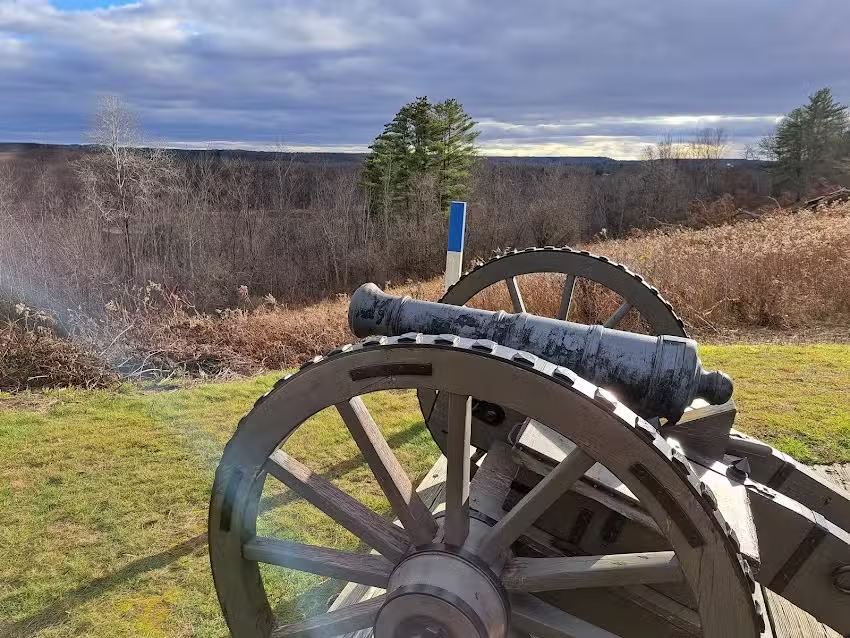
The primary draw for many is the Saratoga Battlefield itself, and the park has structured the visit in a highly accessible way. A 10-mile, self-guided driving tour serves as the main interpretive method, allowing visitors to move at their own pace through the preserved landscape. This road winds through rolling hills and fields that look remarkably similar to how they did in 1777, punctuated by about 10 designated stops. At these points, visitors can get out, walk short paths to key locations, and view interpretive signs and replica cannons positioned as they were during the conflict. This approach makes the complex history of the two battles digestible and visually engaging, appealing to both dedicated history enthusiasts and families looking for educational travel opportunities.
The Visitor Experience: Strengths and Highlights
One of the most significant advantages of Saratoga National Historical Park is its comprehensive and multi-site nature. Beyond the main battlefield, the park includes several other key locations that are a short drive away, creating a more complete narrative of the Saratoga campaign. These include:
- The Saratoga Monument: A stunning 155-foot obelisk in the village of Victory, commemorating the American triumph. When seasonally open, visitors can climb its 188 steps for panoramic views of the Hudson Valley, offering a unique geographical perspective of the campaign.
- Schuyler House: The restored country home of American General Philip Schuyler, located in Schuylerville. After the British burned the original structure during their retreat, Schuyler had it rebuilt with remarkable speed. Touring the house provides a valuable glimpse into colonial life and the personal costs of the war for key figures.
- Victory Woods: A 22-acre site featuring an accessible half-mile boardwalk trail. This area marks the final encampment of the British army, where they were surrounded and suffered in harsh conditions before surrendering. The interpretive signs along the trail effectively convey the desperation of the British forces in their final days.
- Saratoga Surrender Site: An outdoor memorial marking the historic spot where British General John Burgoyne formally surrendered to American General Horatio Gates on October 17, 1777—the first time in history a British army had ever surrendered.
Another strong point, frequently noted by visitors, is that the park is free to enter, having eliminated entrance fees in 2016. This makes it an exceptionally valuable destination for travelers on a budget. Furthermore, the park is often described as uncrowded, even during the peak summer month of July, allowing for a more peaceful and contemplative experience. The staff and park rangers are consistently praised for being friendly, helpful, and highly informative, enhancing the visit with their expertise. The grounds also cater to various interests beyond history; the scenic landscape is perfect for hiking, with the 4.25-mile Wilkinson Trail being a popular option, as well as biking, birdwatching, and even cross-country skiing in winter.
Points of Contention and Areas for Improvement
Despite its high overall rating and numerous strengths, prospective visitors should be aware of some criticisms. A recurring theme in feedback concerns the Visitor Center. While it serves as a necessary starting point with a helpful 20-minute orientation film and a fiber-optic map of the battle, some find the exhibits to be dated and in need of modernization to meet contemporary museum standards. This can be a letdown for those expecting more dynamic and interactive displays.
Similarly, the audio tour available through the NPS mobile app has drawn mixed reviews. While the concept is appreciated, some users have noted that the technology is based on an older system requiring phone calls to access information at each stop, which can feel clunky and outdated in an era of more seamless app-based experiences. This is a point of friction that can detract from the otherwise immersive self-guided tours.
Another critique is the relative lack of physical, restored buildings within the main battlefield loop. Aside from the restored Neilson Farmhouse, the tour focuses almost exclusively on the landscape itself. Visitors expecting a village-like reconstruction or numerous structures to enter may find the experience more focused on imagination and landscape interpretation than on architectural history. Finally, a practical consideration for family vacation spots is the weather. The battlefield is very exposed, and during the summer, it can become extremely hot, requiring visitors to bring ample water and sun protection.
Planning Your Trip to a Pivotal Historic Site
For those planning to visit this important tourist attraction, the best approach is to start at the Visitor Center on NY-32 in Stillwater. Operating hours are consistently 9:00 AM to 5:00 PM daily. Watching the introductory film is highly recommended to establish context before embarking on the scenic drives through the battlefield. Allocate at least two to three hours for the driving tour to appreciate the stops fully, and budget additional time to visit the separate Schuyler House and Saratoga Monument sites, which are several miles north.
In conclusion, Saratoga National Historical Park stands as a premier destination for cultural heritage travel in the United States. Its strength lies in its meticulously preserved landscape that allows visitors to connect directly with the terrain that shaped a world-altering event. While the supporting technology and exhibits could benefit from an update, the core experience—the powerful sense of place, the comprehensive multi-site narrative, and the sheer historical significance—remains profound. It offers a layered and rewarding visit for anyone interested in understanding the birth of the United States, making it a crucial stop for any agency specializing in battlefield tours or American history itineraries.