Caboose Style Cottages
BackCaboose Style Cottages presents a distinct lodging option for travelers in Michigan's Upper Peninsula, offering a rental property with a unique architectural theme reminiscent of a classic train caboose. Situated on a private, four-acre lot with 200 feet of direct Lake Superior shoreline, its primary draw is undoubtedly its location. However, prospective renters will find a stark division in guest experiences, painting a picture of a property that is as polarizing as its environment is beautiful.
The Un undeniable Allure of the Location
Guests consistently praise the property's setting. The cottage is perched on a bluff overlooking Lake Superior, providing what many describe as spectacular, million-dollar views right from the windows, including the kitchen's dinette. This prime position makes it an ideal spot for witnessing picturesque sunsets and stargazing in an area with minimal light pollution, where the Milky Way is often visible on clear nights. The direct beach access is a significant highlight, leading to a shoreline that is a mix of sand and rock. This makes it a haven for enthusiasts of adventure travel and geology, particularly those interested in rockhounding for agates or searching for the fluorescent glow of "Yooperlites" at night. The property's location serves as a convenient base for exploring numerous regional attractions, including Tahquamenon Falls State Park, Pictured Rocks National Lakeshore (Grand Marais entrance), Crisp Point Lighthouse, and the Two-Hearted River, positioning it as a strategic choice for a tourist accommodation hub. For winter visitors, the area receives heavy snowfall, making it a prime destination for snowmobiling, with trail access nearby.
Unique Theming and Amenities
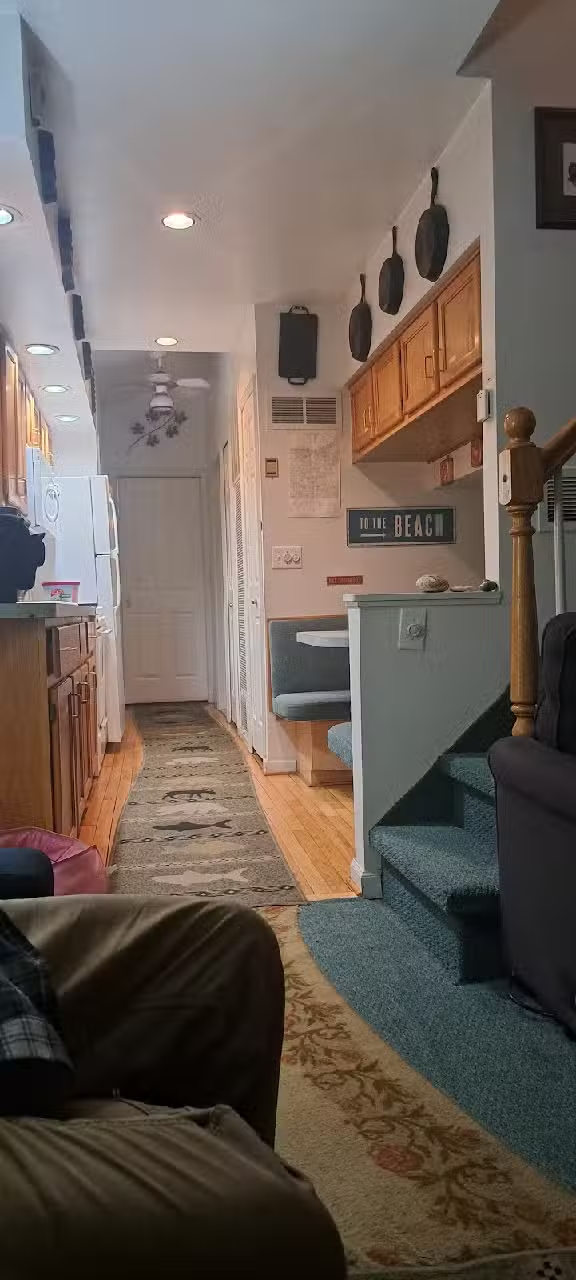
The caboose design itself is a memorable feature that adds a nostalgic charm to the stay, a detail particularly appreciated by guests with a fondness for railroad history. The cottage was hand-built by its owner, inspired by a real train caboose, and this personal touch gives it a character not found in standard vacation rentals. Inside, amenities mentioned by satisfied guests include comfortable beds, a well-equipped kitchen with full-sized appliances, a cozy wood stove, and a selection of DVDs for inclement weather. Outside, a charcoal grill and a fire pit allow for classic outdoor evening activities. The property is also pet-friendly, which is a significant plus for many travelers looking for flexible holiday packages.
A Tale of Two Experiences: The Controversy Over Cleanliness
Despite the magnificent setting, there is a significant and recurring theme of concern regarding the cottage's interior condition. Several former guests have reported serious issues with cleanliness that profoundly impacted their stay. These complaints are not minor; they include descriptions of the cabin as a "dirty dusty mess." Specific grievances detail a pervasive smell of mildew, attributed to old, stained carpeting that guests suspected concealed mold. One of the most alarming reports involved finding what was believed to be mice feces on pots and pans, rendering the kitchen unusable for those guests. These visitors felt compelled to leave before their planned departure due to the conditions, particularly those with mold allergies.
Conversely, other visitors, including repeat guests, have strongly refuted these claims. They describe the cottage as older but perfectly comfortable and clean. These patrons argue that for a rustic cabin frequented by outdoor enthusiasts like snowmobilers and rock collectors, the condition of the carpeting and the overall environment is entirely acceptable and expected. They report finding the kitchenware, bathroom, and linens to be clean and serviceable. This sharp contrast in experiences suggests a potential inconsistency in maintenance and cleaning standards between stays. The owner, in one response, has noted the challenges of maintaining a remote property that is frequently rented. This leaves a potential customer in a difficult position, weighing glowing reviews of the location against serious warnings about hygiene.
Important Booking and Policy Considerations
A critical factor for anyone considering booking Caboose Style Cottages is the owner's strict no-refund policy. As noted by a dissatisfied guest, refunds are reportedly not issued for any reason, including circumstances like power or water outages, which can occur in such a remote location. This policy means that once payment is made, the renter is fully committed, regardless of whether the property meets their expectations upon arrival. This financial risk is a significant consideration, especially in light of the conflicting reviews on cleanliness. Potential clients should weigh the appeal of the unique lodging and location against the possibility of arriving to conditions they may find unacceptable with no recourse for a refund. It underscores the importance of direct communication with the owner prior to booking to inquire about the current state of the property and recent cleaning protocols.
Final Assessment for the Traveler
Caboose Style Cottages is not a standard, predictable rental. It offers an opportunity for a unique and memorable stay in one of Michigan's most beautiful and rugged areas. For the right person—someone who prioritizes location, privacy, and a rustic, themed experience over modern, pristine interiors—it could be an ideal choice. The access to outdoor activities is unparalleled, making it a strong contender for those planning rockhounding trips or seeking a secluded natural retreat. However, the documented concerns about cleanliness and the rigid booking policy present a substantial risk. Travelers with health sensitivities, particularly to mold, or those with high standards for hygiene should be cautious. Ultimately, booking this cottage is a decision that requires careful consideration of one's personal tolerance for rustic conditions versus the undeniable reward of its spectacular Lake Superior setting. It stands as a powerful example within the vacation rentals market of how a property's greatest asset—its remote, natural location—can also be the source of its greatest challenges.