US Army Corps of Engineers; Libby Dam
BackOperated by the U.S. Army Corps of Engineers, the Libby Dam is far more than a piece of critical infrastructure; it functions as a significant tourist attraction with a distinct focus on engineering, history, and outdoor recreation. Located on the Kootenai River, approximately 17 miles upstream from Libby, Montana, this massive concrete gravity dam offers a multifaceted experience for visitors. While its primary purposes since its completion in 1972 have been flood control and hydroelectric power generation, its role as a tourism provider has grown, supported by a visitor center, tours, and the vast recreational landscape of Lake Koocanusa. However, its appeal is not universal, and prospective visitors should weigh its unique offerings against some practical limitations.
An Engineering Marvel with Educational Depth
The primary draw for many visitors is the sheer scale and historical significance of the dam itself. Standing 422 feet tall and stretching over 3,000 feet long, Libby Dam is an impressive feat of modern construction. It was authorized as part of the Columbia River Treaty between the United States and Canada, a joint project designed to tame the wild fluctuations of the Kootenai River and harness its power. This historical context is well-presented at the on-site Visitor Center, which serves as the hub for the visitor experience. Inside, guests can find a museum with historical displays, a gift shop, and a small theater that shows films about the dam's construction and its role in the regional power system. This educational component elevates a visit beyond simple sightseeing, offering a degree of cultural tourism for those interested in the development of the American West.
One of the most valued services, as noted by past visitors, are the guided tours. These tours provide access to parts of the massive structure, including the powerhouse and the top of the dam, offering a unique perspective on its operations. Current information indicates that tours are offered seasonally, primarily during the summer months from June through August, with different experiences available on weekdays versus weekends. However, a significant drawback is the potential for disruption; tours are subject to cancellation due to ongoing construction, and it is strongly recommended that visitors call ahead to confirm availability. Furthermore, major construction projects are expected to put tours on hold from late 2025 until at least the spring of 2026, which will be a major disappointment for those planning a visit during that period.
Recreational Opportunities on Lake Koocanusa
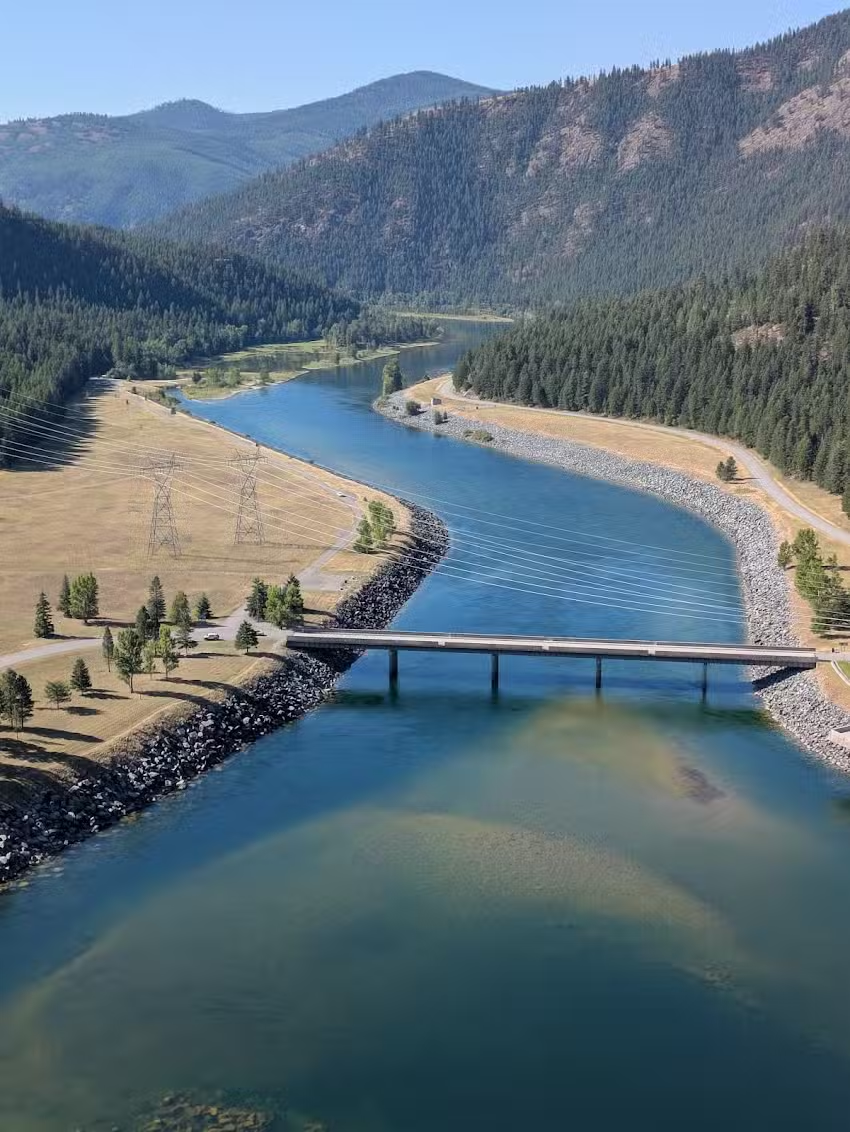
The dam's construction created the 90-mile-long Lake Koocanusa, a reservoir that stretches north into British Columbia, Canada. The name itself is a clever portmanteau representing the international cooperation behind the project: KOOtenai River, CANada, and USA. This vast body of water is the centerpiece for a wide range of outdoor activities. The area is a popular destination for boating, fishing for species like rainbow trout and Kokanee salmon, camping, and hiking. The U.S. Army Corps of Engineers and the U.S. Forest Service manage numerous recreation sites, including campgrounds, picnic areas, boat ramps, and even swimming beaches. For those engaged in trip planning for an adventure travel experience in northwestern Montana, Lake Koocanusa offers a compelling reason to visit the region. The Souse Gulch day-use area near the visitor center is particularly well-equipped, featuring playgrounds, picnic shelters, and a challenging 18-hole disc golf course.
Considerations and Potential Downsides
Despite its many positive attributes, a visit to Libby Dam is not without its challenges. The facility's location is relatively remote, requiring a dedicated drive along Montana Highway 37. While scenic, this journey might be a detour for those on a tight itinerary. As one reviewer noted for truck drivers, navigating to specific points at the facility can be confusing, a point that could extend to tourists unfamiliar with the winding forest service roads required to reach the visitor center. The roadway across the top of the dam is also subject to closure, necessitating a scenic but potentially time-consuming detour for travelers coming from the north.
Another key consideration is the niche appeal of the destination. While fascinating for those with an interest in engineering or local history, others may find it to be, as one visitor review suggested, simply a "cool place to stop" between larger destinations like Libby and Eureka. It may not hold enough interest to be the sole focus of a vacation. Furthermore, the limited number of online reviews (14 on one platform), while highly positive with an average rating of 4.6 stars, provides a relatively small sample size of public opinion.
Logistical and Accessibility Notes
On the positive side, the facility is generally well-managed with consistent operating hours for the visitor center during its summer season (typically 9:30 AM to 6:00 PM daily). The presence of wheelchair-accessible entrances and viewing telescopes adapted for seated individuals demonstrates a commitment to accessibility. However, a critical point for modern travelers is the complete lack of cell phone coverage in the area. Anyone visiting should download maps and any necessary information beforehand. Security for the tours is also stringent, requiring photo ID for adults and prohibiting bags, purses, and most electronic devices.
In conclusion, the US Army Corps of Engineers; Libby Dam presents a unique and valuable tourist destination. It successfully blends its industrial function with public education and recreation. For travelers crafting a Montana itinerary focused on scenic drives, nature tourism, and historical landmarks, it is an excellent addition. The beautiful views and extensive recreational options are undeniable strengths. However, potential visitors must be mindful of the logistical challenges, including its remote location, the potential for tour cancellations (especially in 2025-2026), and the lack of digital connectivity. It is a destination that rewards planning and is best suited for the curious traveler looking for an experience beyond the conventional.