Stillwater National Wildlife Refuge Headquarters
BackLocated at 3175 Freeman Lane in Fallon, Nevada, the Stillwater National Wildlife Refuge Headquarters operates as the essential nerve center for one of the state's most significant ecological areas. While officially designated as a tourist attraction and park headquarters, it functions as a highly specialized travel agency for a specific type of client: the self-reliant individual passionate about nature tourism. This is not a place for booking all-inclusive vacation packages; instead, it's the critical first stop for undertaking a personal journey into a vast and remote wetland ecosystem. With a solid 4.5-star rating based on numerous visitor accounts, the headquarters is clearly successful in its mission, yet it presents a series of pros and cons that potential visitors must weigh carefully.
The Headquarters as a Center for Trip Planning
The primary strength of the Stillwater National Wildlife Refuge Headquarters lies in its role as a hub for information and trip planning. Visitors consistently praise the value of stopping here before venturing into the refuge itself. The staff, composed of U.S. Fish and Wildlife Service personnel, possess expert knowledge of the area's current conditions, from road accessibility to the latest wildlife sightings. They provide maps, brochures, and invaluable advice that is impossible to find elsewhere. In this capacity, the headquarters performs a crucial function of destination management, ensuring visitors are well-prepared for the realities of the refuge. The entrance is also wheelchair-accessible, making this initial planning stage available to a wider range of visitors.
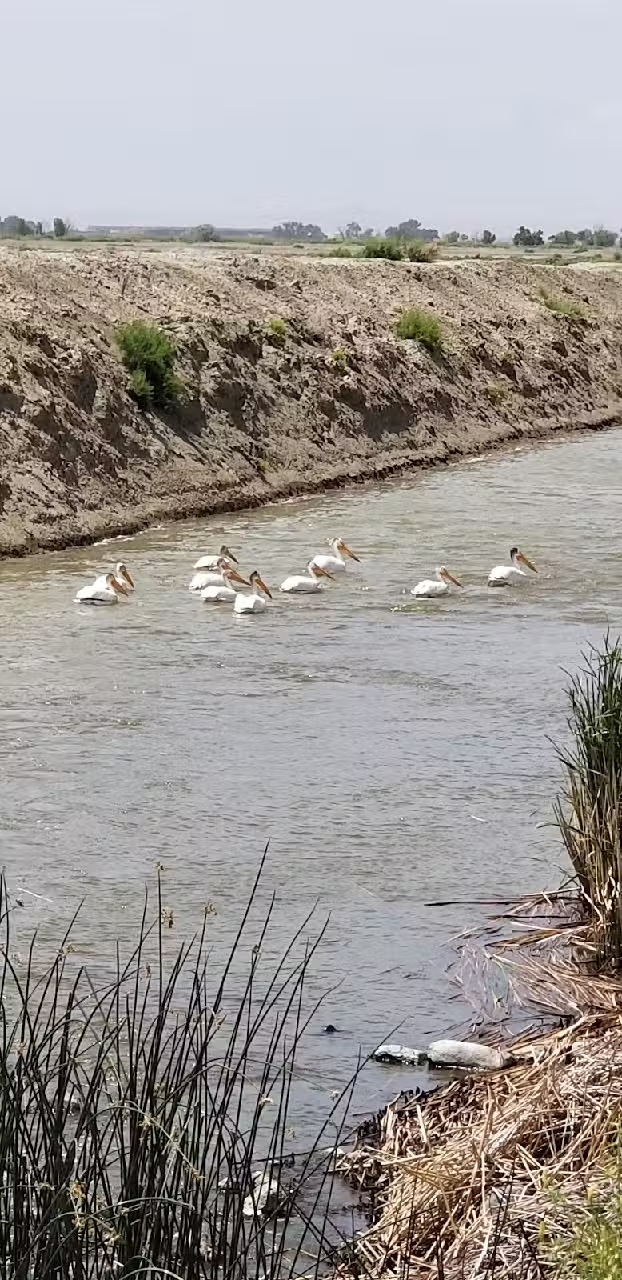
The product being 'sold' here is an immersive experience in a globally important bird area. The wetlands are a designated site of international importance by the Western Hemispheric Shorebird Reserve Network, attracting hundreds of thousands of shorebirds during migration. For enthusiasts of bird watching excursions, this is a premier destination. The headquarters can provide insights into the best times to visit, which is a critical factor. As one visitor noted, there is "plenty to see, when the timing is right." According to the Lahontan Audubon Society, peak shorebird migration occurs from late April to mid-May and again from July through September, while massive waterfowl populations arrive in the late fall. The staff can help you time your visit to witness spectacles like American White Pelicans, White-faced Ibis, Tundra Swans, and even wintering Bald Eagles.
What to Expect from the 'Tour'
Unlike a conventional tour operator, the headquarters does not offer guided expeditions. The experience is entirely self-directed. After consulting with the staff, visitors embark on their own wildlife tours using personal vehicles. The refuge features an established Auto Tour Route that provides a structured way to see key areas like Duff's Pond and Foxtail Lake. This route, along with other service roads, allows access to different habitats within the nearly 80,000-acre refuge. The landscape is a stark and beautiful mix of sage-steppe habitat, wetlands, and desert lakes, offering exceptional opportunities for photography. Multiple reviews highlight the peacefulness of the location, describing it as "far from the crowd" with "amazing" sunsets.
The activities available cater to the adventure travel enthusiast and include:
- Wildlife Observation: Beyond the hundreds of bird species, the refuge is home to coyotes, mule deer, bobcats, and other desert wildlife.
- Photography: The vast landscapes, dramatic light, and abundant wildlife make it a photographer's paradise.
- Hiking: Several trails are available, including the Tule Trail and paths around Stillwater Point Reservoir.
- Hunting: Regulated hunting for waterfowl and other game is permitted in designated areas and seasons, a detail that the headquarters can clarify for interested parties.
Critical Considerations and Potential Drawbacks
Despite its strengths, the Stillwater National Wildlife Refuge Headquarters has limitations that potential visitors must understand to avoid disappointment. The most significant drawback is its operating hours. The facility is open only on weekdays, from 8:00 AM to 4:30 PM, and is closed on Saturdays and Sundays. This schedule is a major inconvenience for weekend travelers, who form a large portion of the tourist demographic. Arriving on a Saturday with the intention of getting a map and advice would lead to a frustrating start to your trip. This operational constraint is the single largest negative factor for casual visitors.
Furthermore, it is crucial to manage expectations. This is not a commercial enterprise focused on customer comfort. It is a government facility dedicated to conservation. The refuge itself is remote and undeveloped, with unreliable cell phone service. Visitors are expected to be entirely self-sufficient, bringing their own water, food, fuel, and emergency supplies. While the main dirt roads are generally passable for passenger vehicles in dry conditions, wet weather can make them treacherous. The headquarters provides the knowledge, but the visitor bears all the responsibility for their safety and preparedness.
The Reality of the Experience
The experience offered is primitive. While there are vault toilets at key locations, there are no other amenities. Dispersed camping is allowed in a few designated areas, but these are basic sites with no features beyond a level spot to park. This lack of infrastructure is a deliberate part of the refuge's management, preserving the wild character of the land. However, for those accustomed to more developed recreational areas, it could be a significant negative. The focus is purely on ecotourism in its rawest form—observing and appreciating nature without the buffer of modern conveniences.
In summary, the Stillwater National Wildlife Refuge Headquarters is an indispensable asset for a certain kind of traveler. For the dedicated birder, the serious photographer, or the independent adventurer seeking solitude and a deep connection with a unique ecosystem, this facility is the perfect starting point. It provides the expert planning resources of a top-tier specialty travel agency without any of the hand-holding. However, for the weekend tourist or someone seeking a casual, comfortable outing, the restrictive hours and the rugged, self-reliant nature of the refuge itself could be major deterrents. A visit requires careful planning, a weekday start, and a clear understanding that you are the sole operator of your own tour.