Alamosa National Wildlife Refuge and Visitor Center
BackLocated in the high-altitude San Luis Valley, the Alamosa National Wildlife Refuge serves as a critical habitat for a vast array of migratory birds and resident wildlife. For those planning Colorado travel centered on nature, this refuge presents a compelling, though nuanced, opportunity. It operates less like a traditional tourist park and more as a self-directed sanctuary, a quality that will appeal greatly to independent travelers, bird watchers, and photographers seeking an authentic encounter with the region's fauna.
The Experience: Wildlife and Scenery
The primary draw of the Alamosa refuge is its role as a vibrant ecosystem. It is a key destination for eco-tourism and those interested in wildlife tours. Visitors frequently report sightings of numerous bird species, including a wide variety of ducks, geese, Great Blue Herons, and American Avocets. The refuge is part of a larger complex, including the nearby Monte Vista National Wildlife Refuge, which is famous for hosting thousands of Sandhill Cranes during their migration. While crane sightings are less common at the Alamosa location due to the dense cattail marshes, they can still be heard and seen, particularly during spring and fall. The true appeal lies in the diversity; one visitor, hoping for cranes, was instead treated to the surprising sight of a porcupine, highlighting the unpredictable and rewarding nature of wildlife observation here.
The refuge offers several ways to engage with its landscape:
- The Wildlife Drive: A well-regarded auto tour loop allows visitors to traverse the cattail marshes and wetlands from the comfort of their vehicle. This makes the refuge accessible to many, including those with limited mobility, and is a fantastic option for family vacations where younger children are involved.
- Walking Trails: For a more immersive experience, the refuge maintains trails like the Rio Grande Nature Trail and the Bluff Nature Trail. These paths wind through different habitats, from riparian corridors along the river to upland bluffs offering expansive views of the wetlands and the Sangre de Cristo Mountains.
The setting itself is a significant part of the attraction. Described by visitors as a "quiet oasis" in the otherwise arid San Luis Valley, the refuge provides a serene backdrop for nature observation. The panoramic views of the surrounding mountain ranges add a dramatic element to the landscape, making it a prime location for photography.
A Closer Look at the Positives
For individuals or groups undertaking their own holiday planning, the Alamosa National Wildlife Refuge offers distinct advantages. Its operational model caters to the self-sufficient visitor. The grounds are open from sunrise to sunset, allowing for visits during the golden hours when wildlife is most active. There is no admission fee, making it an accessible addition to any itinerary. Furthermore, the mention of a wheelchair-accessible entrance indicates a level of consideration for visitors with mobility challenges, primarily through excellent viewing opportunities from a vehicle.
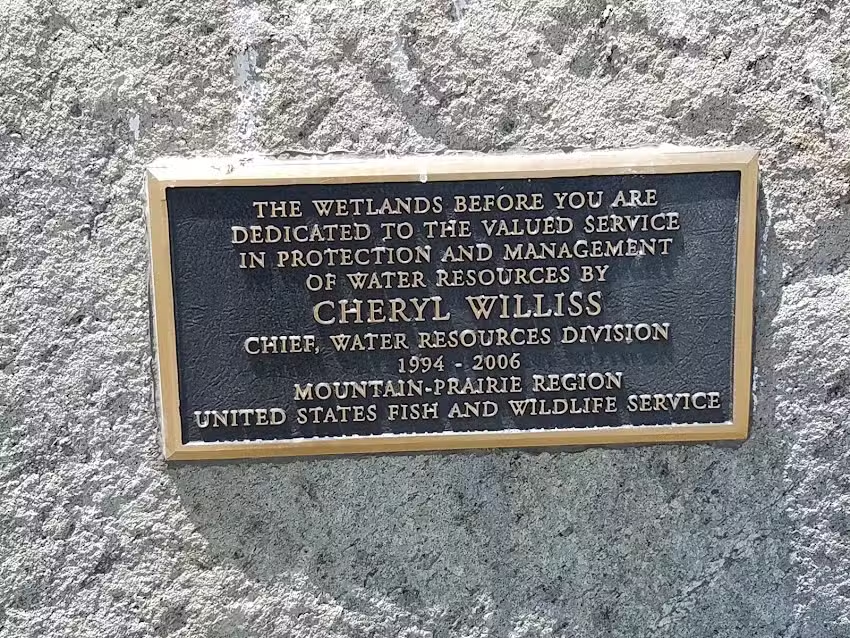
The refuge's management, despite facing potential budget constraints as noted by some long-time visitors, is commended for maintaining a valuable experience. This dedication ensures the area remains a sanctuary for over 200 bird species and other animals like mule deer, elk, beavers, and coyotes that call the 12,026-acre expanse home. This commitment to conservation is the bedrock of its appeal as a destination for meaningful nature travel.
Points for Consideration: Managing Expectations
While the refuge is rich in natural assets, potential visitors must be aware of certain operational realities. The most frequently cited issue is the status of the Visitor Center. Multiple reviews across different years mention arriving to find the center closed. Official information from the U.S. Fish & Wildlife Service states the visitor contact station is open "intermittently when staff and volunteers are available," and advises calling ahead. This is a critical piece of information for any travel agency or individual to consider. A closed center means no access to staff for questions, no interpretive exhibits to provide context, and no physical maps or brochures beyond what might be available at an outdoor kiosk. Visitors should be prepared to be entirely self-reliant.
Another point to manage is the seasonal availability of certain areas. The Rio Grande Nature Trail, for example, closes seasonally (typically from mid-April to September 1st) to protect the nesting habitat of the endangered southwestern willow flycatcher. This is a necessary conservation measure but could be a disappointment if not known in advance. Always check the official FWS website for the latest updates on trail closures and conditions before a visit.
Finally, the wildlife itself is, by nature, unpredictable. While the habitat is managed to attract a high diversity of species, there is no guarantee of seeing specific animals. A trip focused solely on spotting Sandhill Cranes might be better directed to the Monte Vista refuge during peak migration. However, those who visit Alamosa with an open mind are often rewarded with unique and unexpected sightings that make the trip memorable.
Who Should Visit?
The Alamosa National Wildlife Refuge is an ideal stop for a specific type of traveler. It is highly recommended for:
- Bird Watchers: With over 200 species documented, it is a premier location for both casual and serious birding.
- Photographers: The combination of wildlife, dramatic landscapes, and beautiful light provides endless photographic opportunities.
- Independent Travelers: Those who enjoy setting their own pace and do not require extensive on-site amenities will find the refuge's self-serve nature liberating.
- Nature Enthusiasts: Anyone looking for a quiet, immersive experience in a unique high-desert wetland ecosystem will appreciate what the refuge offers.
In conclusion, the Alamosa National Wildlife Refuge and Visitor Center is a valuable tourist attraction that offers a genuine connection to the wild heart of the San Luis Valley. Its strengths lie in its abundant wildlife, accessible auto tour, and serene environment. Its primary weakness is the unreliability of its visitor center services. For those prepared for a self-guided experience and armed with realistic expectations, it provides a deeply rewarding component to any adventure travel itinerary in southern Colorado.