
Ocean Institute
BackLocated at 24200 Dana Point Harbor Drive, the Ocean Institute presents itself as far more than a simple aquarium or museum; it operates as a specialized travel agency focused on eco-tourism and direct marine engagement. This organization leverages its prime coastal position to offer a portfolio of interactive experiences and coastal excursions designed to connect visitors directly with the ocean. While it holds a strong reputation, particularly reflected in its high average rating of 4.7 stars from over 380 reviews, a closer look reveals a complex picture with significant advantages and notable drawbacks for potential visitors planning their next ocean adventure.
Strengths and Key Offerings
The core appeal of the Ocean Institute lies in its mission to use the ocean as a classroom, a philosophy that permeates all its offerings. This is not a place for passive observation but for active participation, making it a premier tourist attraction for families, students, and anyone with a genuine interest in marine biology and maritime history. The staff, comprising both employees and dedicated volunteers, are consistently praised for being friendly, knowledgeable, and passionate, which significantly enhances the quality of every program.
Hands-On Educational Experiences
Inside its facilities, the institute provides a range of hands-on exhibits. Visitors, especially children, are drawn to the touch tanks, jellyfish displays, and the unique opportunity to help "clean" a large gray whale skeleton with a toothbrush. These activities transform a typical visit into a memorable session of educational travel. The institute's structure is designed to be explored, with many exhibits located outdoors, allowing guests to move between research rooms while enjoying the ocean air.
Exceptional Marine Life Tours
Where the Ocean Institute truly distinguishes itself as a provider of tour packages is through its on-the-water programs. It operates its own 65-foot research vessel, the R/V Sea Explorer, to conduct a variety of public tours. Among the most popular are the whale watching tours and dolphin watching trips. These are not merely sightseeing trips; they are educational expeditions where participants can get a close look at marine life in its natural habitat. Testimonials frequently highlight these cruises as the best part of their visit, with some recounting unforgettable sightings of dolphins and whales.
Beyond whale watching, the institute offers a diverse menu of seasonal activities:
- Snorkeling Adventures: Guided snorkeling adventures in protected areas like Shaw's Cove allow participants to safely explore Southern California's kelp forests. Reviews specifically mention the quality of instructors like "Michael," who are lauded for creating a safe, fun, and highly educational environment for first-time snorkelers.
- Kayak Harbor Tours: Expert naturalists lead two-hour kayak tours around Dana Point Harbor, providing insights into local marine life and the area's history.
- Tide Pool Hikes: During low tides in the fall and winter, the institute organizes guided hikes into the adjacent Marine Protected Area, where guests can discover crabs, sea stars, and other intertidal creatures.
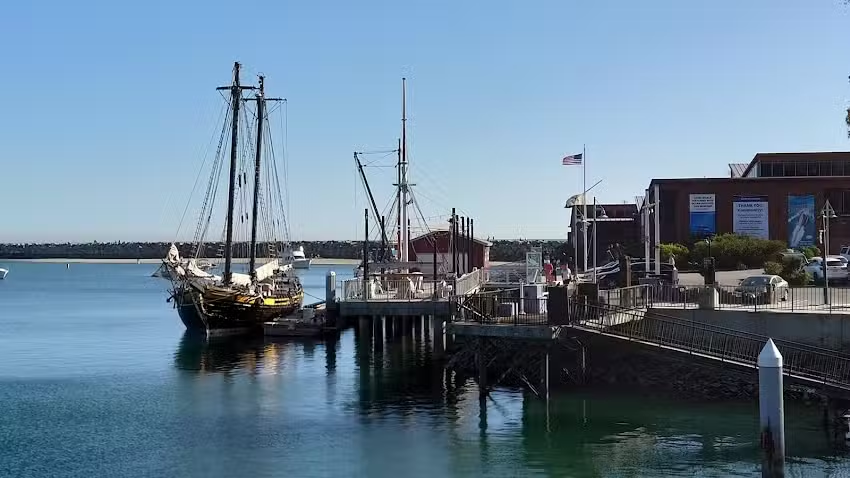
- Sailing on the Spirit of Dana Point: For a historical perspective, visitors can book a sail on the Spirit of Dana Point, a replica of a 1770s privateer schooner, offering a unique maritime experience.
Challenges and Considerations
Despite its many strengths, the Ocean Institute is not without its flaws. Prospective visitors should be aware of several logistical and structural issues that can impact their experience. These are not deal-breakers for everyone, but they require careful planning.
Facility Condition and Infrastructure
One of the most polarizing topics among visitor reviews is the condition of the facilities. While the main campus was constructed in 2002, some patrons describe the property as "very rundown" and in need of renovation. This sentiment suggests that certain areas may show signs of wear and tear from heavy use and coastal exposure. However, this view is not universal; other visitors describe the facilities as "beautiful" and perfectly suited for their purpose. This discrepancy suggests that while the location is stunning, parts of the infrastructure may feel dated to some. The ongoing Dana Point Harbor Revitalization project, which aims to update the entire area, may bring future improvements.
Severe Parking Difficulties
Perhaps the most significant and consistently mentioned drawback is the parking situation. The institute's website acknowledges that parking is limited and operates on a first-come, first-served basis, with no refunds issued due to a lack of parking. Visitor experiences confirm this is a serious issue. One review detailed arriving nearly two hours early for a 2:00 PM appointment and only securing a spot at 1:40 PM. For special events, the institute itself recommends allowing 45 minutes to an hour just to get from a parking spot to the entrance. This logistical nightmare requires visitors to budget a substantial amount of extra time and can be a major source of stress, particularly for those with scheduled coastal excursions.
Limited Operating Hours
Another major constraint is the institute's limited public access. It is primarily open to the general public only on weekends, typically from 10:00 AM to 3:00 PM. While it hosts school groups and camps during the week, this schedule is highly restrictive for tourists visiting the area on weekdays. This makes spontaneous visits nearly impossible and requires that any trip be planned specifically around their weekend schedule. This is a critical factor for anyone looking to incorporate the institute into their family vacation packages or travel itineraries.
Conclusion
The Ocean Institute is a unique establishment that successfully bridges the gap between a museum and an active travel agency for eco-tourism. Its strength lies in its hands-on learning philosophy and its impressive array of marine life tours, from whale watching to guided snorkeling. The passionate and knowledgeable staff create enriching experiences that foster a genuine connection to the marine world. However, these outstanding offerings are hampered by significant practical challenges. The conflicting reports on facility maintenance, the severe and stressful parking situation, and the highly restrictive weekend-only hours are considerable hurdles. For those who can plan around these issues—arriving very early and visiting on a weekend—the Ocean Institute offers an unparalleled opportunity for a meaningful ocean adventure. It is best suited for dedicated marine enthusiasts and families seeking deep educational engagement rather than a casual drop-in attraction.