Point Cabrillo Lighthouse Museum
BackPoint Cabillo Lighthouse Museum, officially part of the Point Cabrillo Light Station State Historic Park, presents a multi-faceted experience for those undertaking California coast tours. It is not merely a museum but a comprehensive destination that combines history, dramatic natural scenery, and the rare opportunity for overnight stays in historic buildings. For any travel agency looking to craft compelling itineraries, this location offers a unique blend of activities that appeal to a wide range of clients, from history aficionados to those simply seeking a memorable coastal retreat. The operational lighthouse, dating back to 1909, remains an active aid to navigation, featuring its original third-order Fresnel lens—a significant draw for maritime enthusiasts.
Assets and Strengths
The primary appeal of Point Cabrillo is its deeply atmospheric and scenic setting. Visitor accounts consistently describe it as stepping into a "breezy, briny postcard," an assessment that captures the essence of the experience. The headland juts dramatically into the Pacific, offering panoramic views that are impressive even on foggy days. This location is a prime spot for wildlife observation; visitors frequently report sightings of harbor seals on the offshore rocks, and during migration seasons (primarily December through April), it serves as an excellent vantage point for spotting gray, humpback, and even blue whales. This natural allure makes it a key point of interest for those planning family vacations or romantic coastal getaways.
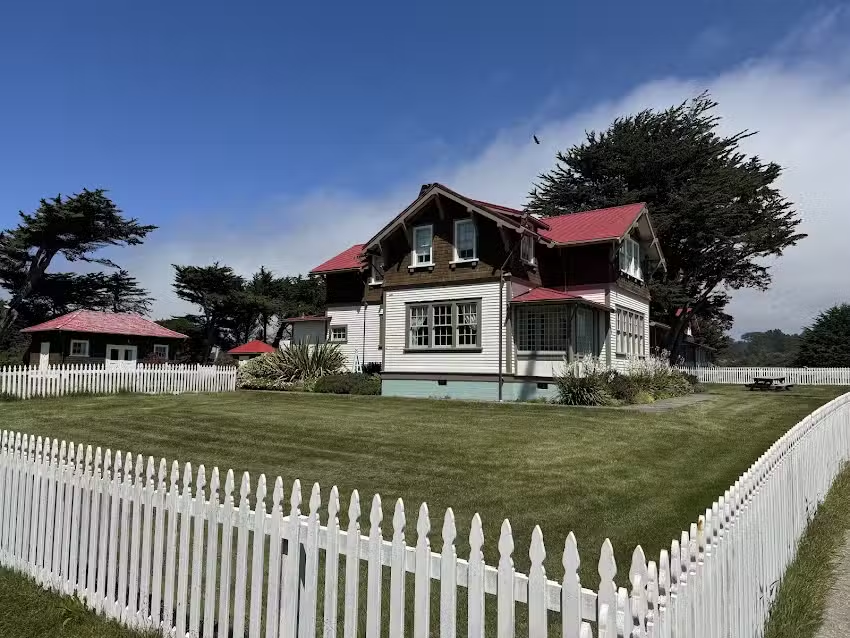
Beyond the scenery, the site provides substantial educational and historical value. The main lighthouse building houses a museum detailing the history of the light station and the significant Gold Rush-era shipwreck of the Frolic. Additionally, the complex includes several restored structures that offer a glimpse into the past. One of the three original lightkeeper's houses has been converted into a period museum, meticulously recreating the living conditions of the 1930s. Another building, the former Blacksmith & Carpentry Shop, now serves as a Marine Science Exhibit, complete with a 240-gallon saltwater aquarium showcasing local marine ecosystems. The presence of knowledgeable docents, as noted by visitors, enhances the educational experience, making it more engaging than a simple self-led tour.
Unique Accommodations and Amenities
Perhaps the most distinctive feature offered is the on-site lodging. Two of the restored lightkeeper's houses and other repurposed cottages are available as vacation packages rentals. This provides an unparalleled opportunity to stay within a State Historic Park, offering an immersive experience far removed from standard hotel stays. Waking up to the sound of the ocean and the sight of a historic lighthouse is a powerful selling point for tour operators seeking to provide clients with unique and memorable stays. The convenience of these accommodations also mitigates one of the site's primary drawbacks, as overnight guests are permitted to park directly at the light station. The grounds are well-maintained, with clean restrooms available and ample parking at the main entrance, ensuring a comfortable visit for day-trippers as well.
Considerations and Potential Drawbacks
While the overall reception is overwhelmingly positive, with a high average rating, prospective visitors should be aware of certain logistical aspects. The most frequently mentioned challenge is the physical access to the lighthouse itself. The main visitor parking lot is situated at the entrance of the park, requiring a half-mile to a mile walk downhill to reach the light station buildings. While many describe this walk as scenic and enjoyable, it can be a significant hurdle for individuals with mobility issues, families with small children, or anyone unprepared for a walk that can be windy and brisk. It's a critical piece of information for proper travel planning. It is important to note that accessible parking is available directly at the lighthouse for those with a valid disability placard, a detail that should be clearly communicated.
Another point to manage is the scale of the museum exhibits. Some visitors have described the museum as "tiny," best suited for a "short, scenic detour" rather than an all-day affair. This is not necessarily a negative, but it helps set realistic expectations. The value of Point Cabrillo lies in the sum of its parts—the view, the walk, the history, and the overall ambiance—rather than in a large, exhaustive museum collection. Furthermore, access to the lighthouse's upper Lantern Room, where the Fresnel lens is located, is limited to specific tour days, so visitors hoping for that particular experience should verify the schedule in advance.
Conclusion for the Traveler
In summary, the Point Cabrillo Lighthouse Museum is a highly recommended destination for those traveling along the Mendocino coast. Its strengths—breathtaking views, rich maritime history, and the exceptional option of overnight stays in unique accommodations—far outweigh its logistical challenges. For individuals and families interested in historic landmarks and natural beauty, it is an essential stop. The key to a successful visit is preparation: wear comfortable walking shoes, dress in layers for the coastal weather, and check the schedule if specific tours are a priority. For tourism professionals, it represents a valuable asset, offering a layered experience that can be tailored for different client interests, from a brief scenic stop to a deeply immersive historical stay.