
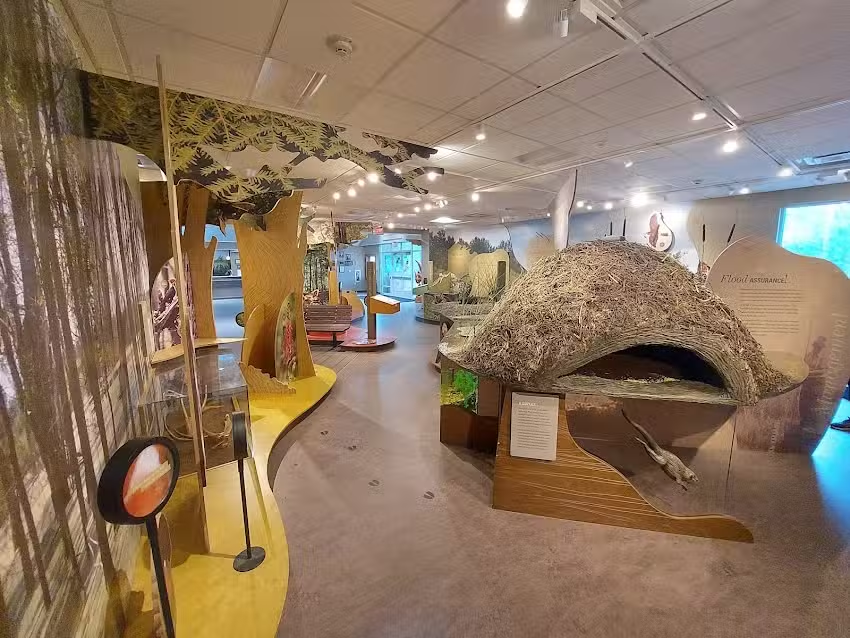
Iroquois National Wildlife Refuge Visitor Center
BackSituated at 1101 Casey Road in Alabama, New York, the Iroquois National Wildlife Refuge Visitor Center operates not as a conventional booker of flights and hotels, but as a crucial provider of travel services for those looking to immerse themselves in the region's rich natural environment. This facility is the primary informational and logistical hub for the expansive Iroquois National wildlife Refuge, making it an essential first stop for any visitor. With a strong positive reception reflected in its high user ratings, the center excels in preparing individuals and families for a day of self-directed ecotourism and outdoor activity. It provides the necessary tools and knowledge, from maps to expert advice, effectively shaping the visitor's journey from the very beginning.
The Visitor Experience: Strengths and Services
Upon arrival, visitors are generally met with a positive and helpful atmosphere. The staff is consistently described as welcoming, friendly, and highly informative, characteristics that are paramount for any establishment involved in destination management. They provide valuable insights into current trail conditions, recent wildlife sightings, and the best areas to visit depending on the season and the visitor's interests. This level of personalized information is a significant asset, especially for first-time attendees or those with specific goals, such as photographers or avid bird watchers. The center also offers practical amenities like loaner binoculars and bird guides free of charge, removing barriers for newcomers who may not own specialized equipment.
Educational and Interactive Features
One of the most praised aspects of the Visitor Center is its collection of hands-on displays and interactive exhibits. These installations are designed to be engaging for all ages, making the center an excellent starting point for a family vacation spot. The exhibits provide context about the refuge's ecosystem, its importance as a critical habitat for migratory birds, and the various species that reside there. This educational component transforms a simple visit into a richer learning experience, fostering a deeper appreciation for the conservation efforts underway. For many, particularly those with children, these engaging displays are a highlight that sets a positive tone for the rest of their visit to the refuge.
Gateway to Diverse Outdoor Recreation
The center is the launchpad for a wide array of outdoor recreation activities. It provides detailed maps and information for the refuge's multiple hiking trails, which cater to various skill levels. Trails like the Headquarters Nature Trail, an accessible one-mile loop right behind the center, are perfect for casual walks, while others offer more extensive treks through diverse habitats. Reports from visitors frequently mention successful wildlife sightings, including the memorable presence of bald eagles, which underscores the value of the refuge as a prime location for wildlife viewing tours. For those interested in bird watching tours, the refuge is an officially designated Important Bird Area, hosting over 266 bird species throughout the year. The center’s staff can direct visitors to the best overlooks and trails for seasonal sightings, enhancing the probability of a rewarding outing.
Unique Offerings and Accessibility
A distinctive feature of the Visitor Center is the Flyway Nature Store. This gift shop is noted for offering a variety of items, including unique gifts made by Native American artisans. This not only provides a special souvenir opportunity but also supports local and indigenous communities. The store is staffed by volunteers, and all proceeds go towards supporting the refuge, aligning with a mission of sustainable tourism. Furthermore, the entire facility is designed with accessibility in mind, featuring a wheelchair-accessible entrance, ensuring that visitors with mobility challenges can comfortably access the building and its resources. Many of the trails, like the Swallow Hollow Nature Loop, incorporate ramps and boardwalks for greater accessibility.
Considerations and Potential Drawbacks
While the overall feedback for the Iroquois National Wildlife Refuge Visitor Center is overwhelmingly positive, potential visitors should be aware of certain limitations that could impact their trip planning. Understanding these aspects beforehand can help set realistic expectations and ensure a smoother visit.
Limited Operating Schedule
The most significant constraint is the center's operating hours. It is open from 9:00 AM to 4:00 PM, Tuesday through Saturday, and is closed on Sundays and Mondays. This schedule can be a considerable inconvenience for travelers who plan weekend trips, as a Sunday visit would mean missing out on the center's exhibits, expert advice, and amenities. Likewise, those hoping to start a long weekend on a Monday will find the facility unavailable. While the refuge's trails and overlooks remain open from sunrise to sunset daily, the absence of the center's support system on these key days is a notable drawback for first-time visitors who would benefit most from the orientation it provides.
A Hub for Self-Directed Adventure
It is important to clarify the center's role. It is not a commercial tour operator that provides structured, guided excursions or all-inclusive vacation packages. Instead, it equips visitors for a self-guided experience. While staff may offer scheduled programs or guided walks, the primary model is one of independent activity. Travelers seeking a fully curated trip with a dedicated host may find the experience more hands-on than anticipated. The onus is on the visitor to use the provided maps and information to navigate the refuge. For many, this freedom is a key part of the appeal of adventure travel, but for others, it may be a point of concern.
Seasonal and Environmental Factors
As with any destination centered on nature, the quality of the experience is heavily dependent on the season, weather, and time of day. The peak migrations of waterfowl occur in the spring and fall, making these seasons ideal for bird watching. A summer visit might offer fewer avian spectacles, as noted by some visitors. Additionally, natural nuisances like mosquitoes and ticks can be present, particularly in warmer, wetter months. Trails can also become muddy after rain. While the Visitor Center provides current information, visitors must come prepared with appropriate attire and supplies to handle variable conditions. The promise of wildlife sightings is never a guarantee, and managing expectations is a key part of planning a successful trip to any natural area.