Port Louisa National Wildlife Refuge – Visitor Contact Station
BackPort Louisa National Wildlife Refuge offers a compelling case study for those engaged in eco-tourism and nature travel. Managed by the U.S. Fish and Wildlife Service, its primary mission is the conservation of migratory birds and wildlife along the vital Mississippi River Flyway. This focus shapes the entire visitor experience, creating a destination that is deeply rooted in natural processes rather than curated amusement. For the potential visitor, this translates to an authentic, though sometimes challenging, encounter with the floodplain forests and wetlands of Iowa and Illinois. The refuge is not a singular park but a collection of divisions—Louisa, Horseshoe Bend, Big Timber, and Keithsburg—each offering a slightly different ecological profile and set of public use regulations.
The Visitor Contact Station: Your Starting Point
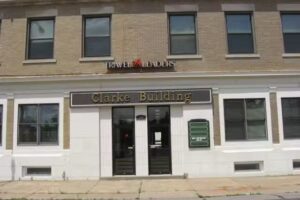
The journey for many begins at the Visitor Contact Station, located in the Louisa Division. This facility stands out as a significant asset. Multiple accounts praise the station for being immaculately kept, with modern and highly informative displays that provide crucial context for the surrounding environment. However, the universally lauded feature is the staff. Visitors consistently describe the personnel as an exceptionally upbeat, friendly, and knowledgeable team. Conversations with staff members are often cited as a highlight, turning a simple stop for a map into an in-depth educational session. This level of engagement is invaluable for travel planning, as the staff can provide real-time updates on trail conditions, recent wildlife sightings, and help tailor a day's activities to a visitor's interests and abilities. This initial positive interaction sets a welcoming tone and demonstrates a genuine passion for the refuge's mission.
Opportunities for Outdoor Recreation and Observation
As a tourist attraction, Port Louisa's appeal lies in its wide array of low-impact recreational activities. The area is a sanctuary for those seeking tranquil moments in nature. Birdwatching is, of course, a primary draw, with over 270 species documented. The spring and fall migrations transform the refuge into a bustling hub for thousands of geese, ducks, and swans. Observation decks, some equipped with scopes, are strategically placed to enhance viewing opportunities. Beyond birding, the refuge offers extensive opportunities for fishing in its backwaters, where anglers can seek catfish, bass, and panfish. The landscape is also crisscrossed by a network of trails for hiking and photography, including the Bluff Trail Loop and the Muscatine Slough Trail. For those wanting to get on the water, designated paddling routes like the Goose Trail and Mississippi River Trail offer an intimate perspective of the floodplain ecosystem. These activities collectively make the refuge an excellent choice for day trips focused on quiet observation and personal connection with the outdoors.
A Realistic Look at Challenges and Drawbacks
While the natural beauty and staff are clear strengths, a balanced view requires acknowledging the operational and infrastructural shortcomings that can impact a visit. These are not failures of the refuge's core mission, but practical realities that anyone planning outdoor adventures here should consider.
Infrastructure and Accessibility Concerns
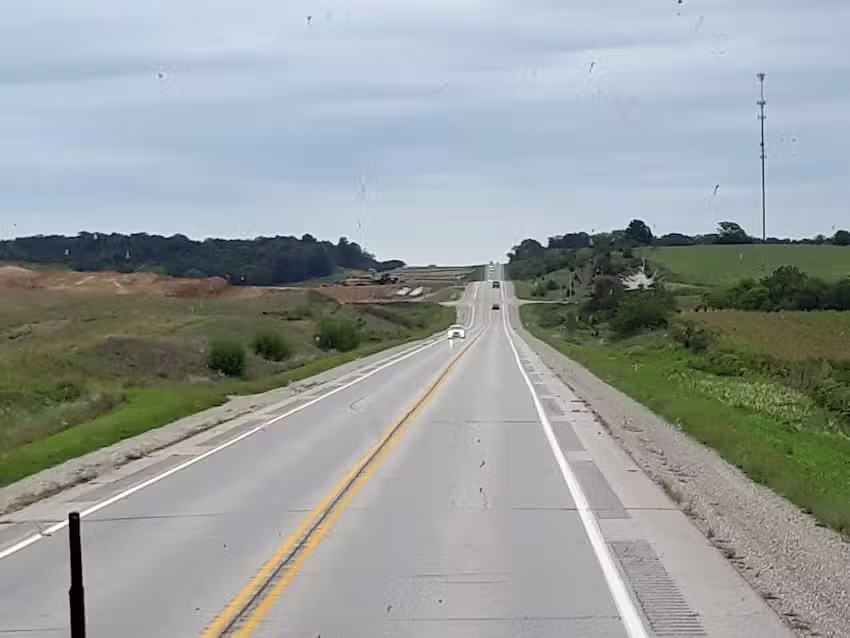
One of the most frequently mentioned issues relates to access, particularly for boating. The boat ramp has been described as needing significant improvements, and the absence of a floating dock complicates launching and retrieving watercraft. This can be a major deterrent for boaters and anglers. Furthermore, access to the refuge itself can be tricky. The approach involves a gravel road and a one-vehicle pass bridge, demanding slow and cautious driving. On busy days, particularly weekends, this bottleneck can cause delays. The parking lot is considered medium to small, and it can fill up quickly, leading to frustration for visitors arriving at peak times. These logistical hurdles suggest that visiting on a weekday or arriving early on a weekend is a wise strategy.
Inconsistency in Guided Programs
While the permanent staff at the contact station receive high praise, the quality of specific guided tours can be inconsistent. One visitor recounted a disappointing experience on a guided nature hike where the leader seemed inexperienced, failed to engage the entire group, and was difficult to hear. The hike itself was also more rugged and lengthy than anticipated, catching some participants unprepared. This highlights a potential gap in program execution. While the refuge offers valuable public programs, visitors should proactively inquire about the physical demands and length of any guided activity. This feedback also underscores a simple truth of any wildlife-focused outing: sightings are never guaranteed. Birds and other animals are unpredictable, and a day with few sightings can be disappointing if expectations are not properly managed. It is a reminder that this is a wild space, not a zoo.
Planning Your Visit for the Best Experience
To make the most of a trip to Port Louisa National Wildlife Refuge, a bit of forethought is essential. The most critical step is to start at the Visitor Contact Station. The staff there are the best resource for navigating the potential downsides. They can offer advice on the least crowded areas, clarify the difficulty of hiking trails, and provide the latest information on the state of the boat ramps. It's also worth noting that while the main entrance is wheelchair accessible, the natural trails can be rugged and are subject to flooding, making them unsuitable for many visitors with mobility challenges. Many parts of the refuge have seasonal closures, especially from September to December, to provide sanctuary for migrating waterfowl, so checking the official U.S. Fish & Wildlife Service website or calling ahead is crucial for effective destination management. Ultimately, this is not a destination for a spontaneous, ill-equipped outing. It rewards preparation and a mindset geared toward appreciating a dynamic, natural environment on its own terms. For those seeking authentic wildlife tours or a peaceful day of hiking and fishing, it remains a valuable asset in the region, offering a direct connection to the ecosystems of the Mississippi River valley.