Montpelier’s Visitor Center
BackMontpelier's Visitor Center serves as the primary gateway to the expansive 2,650-acre estate of James Madison, the fourth U.S. President and architect of the Constitution. This facility is more than a simple ticket counter; it is an integral part of the historical narrative, housing museum galleries, a gift shop, and the operational base for the various historical tours that define a visit. While the overall experience garners high praise, with a 4.7-star rating from nearly 300 reviews, prospective visitors should be aware of both its significant strengths and certain operational limitations to best plan their day trips.
A Deeply Engaging and Honest Historical Experience
The primary draw for this tourist attraction is its profound connection to American history. Visitors consistently commend the staff for being friendly, helpful, and exceptionally knowledgeable. The guided tours are frequently described as engaging and awesome, with guides who bring the complex history of the Madisons, the Constitution, and the enslaved community to life. This establishment functions as a premier tour operator for those seeking a substantive educational journey. The commitment to presenting an unvarnished history is a standout feature. Many appreciate the honest and respectful way the narrative includes all individuals who lived and worked at Montpelier. This is most powerfully demonstrated in the award-winning exhibition, "The Mere Distinction of Colour." This exhibit, housed in the mansion's cellars and south yard, uses archaeological findings and descendant testimonies to provide a moving and provocative account of the lives of the enslaved community. This focus on a complete history makes Montpelier a vital destination for cultural heritage travel.
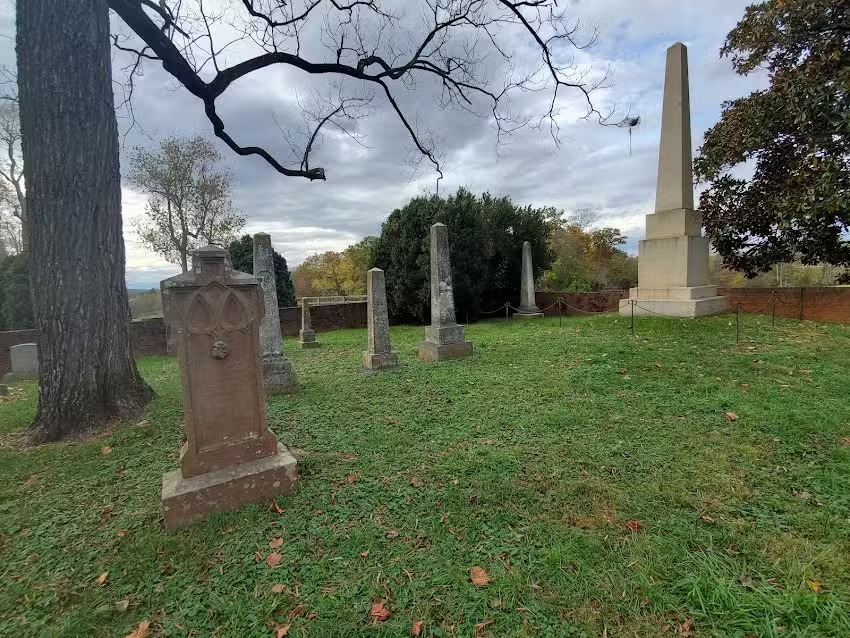
Beyond the main house, the grounds themselves are a significant attraction. Described as "breathtakingly beautiful," the landscape offers a serene environment for reflection and exploration. For those working on itinerary planning, visiting in April for the blooming redbuds or in October for peak fall foliage is highly recommended. The property features over eight miles of walking trails, the Madison family cemetery, the burial ground for the enslaved, and the beautifully maintained Annie duPont Formal Garden, offering a full day of activities for visitors. The Visitor Center is praised for its cleanliness and ease of navigation, and it offers wheelchair accessibility, ensuring a comfortable start to the visit.
The duPont Legacy and Restoration
Visitors will also encounter information about a different era of Montpelier's history: its time under the ownership of the duPont family, who purchased the property in 1901. William and Annie duPont, and later their daughter Marion duPont Scott, significantly altered the mansion and grounds, adding a renowned horse racing facility. Some visitors have noted that the museum in the Visitor Center focuses on this period. It is important to understand this context, as a massive restoration project was undertaken between 2003 and 2008 to return the mansion to its 22-room appearance from the Madison era. This dedication to historical accuracy is a core part of the institution's mission, though it may explain why some areas could be periodically under construction or why the duPont history is presented separately.
Potential Drawbacks and Areas for Improvement
Despite the overwhelmingly positive feedback, there are critical points potential visitors should consider. A recurring theme in less favorable reviews is a disconnect between visitor expectations and the reality of their visit. One visitor expressed disappointment, feeling their experience was not as "inclusive" as hoped, with the house tour seemingly unavailable at the time. This highlights a crucial planning point: access to the main house is strictly via a guided tour. It is essential for anyone planning a visit to check the official website or call ahead to confirm which tours are running and what specific areas of the estate are open to the public. Restoration or special events can occasionally limit access, and managing expectations is key to a successful trip.
Operational and Service Inconsistencies
Another area of concern revolves around customer service and operating hours. One detailed account describes an incident where staff closed a gallery just minutes before the official closing time, despite knowing visitors intended to enter. This created a feeling of being "done dirty" and points to potential inconsistencies in staff adherence to stated hours. This is a significant issue for a travel agency to note. Visitors are advised to plan their activities well before the 4:00 PM closing time to avoid similar disappointments.
Furthermore, the operating schedule itself can be a limitation. The Visitor Center and grounds are closed on Tuesdays and Wednesdays. This restricted schedule requires careful consideration for anyone planning a multi-day trip to the region or those with inflexible travel dates. This is a critical detail for effective vacation packages or regional travel plans involving multiple Virginia travel destinations.
Conclusion: An Essential But Carefully Planned Visit
Montpelier's Visitor Center is the indispensable starting point for a visit to a site of immense historical importance. It succeeds in its mission to educate and engage the public with the complex legacies of James Madison and the enslaved community. The quality of the historical tours, the beauty of the grounds, and the commitment to a complete and honest narrative are undeniable strengths. However, the experience is not without potential pitfalls. The limited operating hours and the possibility of encountering access restrictions or last-minute closures mean that meticulous planning is not just recommended, but necessary. By verifying tour availability and scheduling ample time to see everything before closing, visitors can ensure their experience aligns with the high praise the institution frequently receives, making it a memorable stop for anyone interested in educational travel and American history.