
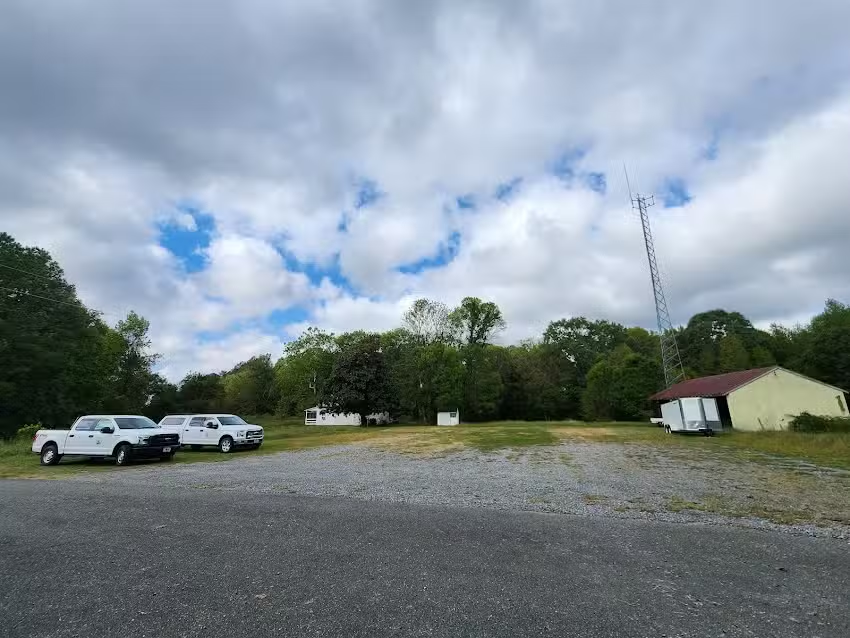
Rappahannock River Valley National Wildlife Refuge Admin Building And Visitor Contact Station
BackThe Rappahannock River Valley National Wildlife Refuge's administrative headquarters and visitor contact station in Warsaw, Virginia, serves as the primary informational gateway to a unique and dispersed collection of natural habitats. Unlike a traditional, single-boundary park, this refuge is composed of multiple land tracts along the Rappahannock River, making this visitor center a crucial first stop for any effective trip planning. With a high user rating of 4.7 stars, it is clearly a valued destination, yet potential visitors must be aware of significant operational constraints and logistical challenges that can impact their experience.
Visitor Experience: Activities and Natural Appeal
For those whose schedules align with its weekday operations, the refuge offers a wealth of opportunities for nature tourism. The primary draw, echoed in overwhelmingly positive feedback, is the area's stunning natural beauty and abundant wildlife. The refuge was established to protect migratory birds, and it excels in this mission. Visitors consistently report sightings of bald eagles and ospreys, making it a prime destination for wildlife viewing and nature photography. The well-maintained landscape provides a serene backdrop for a variety of recreational pursuits.
The range of activities makes it an appealing spot for travelers interested in outdoor adventure travel. Patrons highlight several key experiences:
- Paddling and Kayaking: The river itself provides excellent opportunities for water-based activities, offering a unique vantage point to observe the local fauna.
- Hiking: Multiple trails across the refuge's various units invite visitors to immerse themselves in the environment.
- Birding: As a designated sanctuary, it is a haven for bird watchers. The diverse habitats attract a wide array of species throughout the seasons, making it a key location for specialized bird watching tours.
- Fishing: Anglers can find rewarding spots along the river, contributing to the area's recreational appeal.
Furthermore, the visitor center itself is a key destination for a niche but dedicated group of travelers. It is a participating location in the Blue Goose Passport Program, where visitors can get a unique stamp to commemorate their visit. This type of special interest tourism draws enthusiasts from across the country who aim to document their travels to various National Wildlife Refuges. For these collectors, a stop at the Warsaw administrative building is a primary objective.
Critical Drawbacks and Planning Necessities
Despite its natural allure, the Rappahannock River Valley National Wildlife Refuge presents significant logistical hurdles that can lead to disappointment if not anticipated. The most prominent issue is the visitor center's operating schedule. It is open exclusively from Monday to Friday, 8:00 AM to 4:30 PM, and is closed on weekends. This schedule is a major inconvenience for the majority of tourists, who often plan weekend getaways. Multiple visitors have reported arriving on a Saturday or Sunday only to find the facility locked, preventing them from obtaining maps, speaking with staff, or getting their coveted passport stamps. This limitation requires a fundamental shift in how one plans a visit, making it more suitable for weekday travelers or those with flexible schedules.
Information and Navigation Challenges
A recurring theme in user feedback is the difficulty associated with planning a visit. One visitor noted that trail access was unexpectedly restricted due to hunting season, a detail that was not readily apparent beforehand. This highlights a potential gap in communication on the refuge's official website. While the information may be available, it may require visitors to actively search for alerts and seasonal changes. For any independent traveler, it is imperative to not just glance at the homepage but to thoroughly review all sections related to access, alerts, and seasonal activities before departing. The advice posted on the visitor center door itself—to call ahead—should be considered standard practice for anyone intending to visit. This proactive step can prevent a long, fruitless drive.
The physical navigation of the refuge adds another layer of complexity. The facility is described by some as being "hard to find." More importantly, the refuge is not a single park but a collection of separate land parcels, or "units," spread out along the river. A first-time visitor might arrive at the Warsaw headquarters expecting trailheads to be immediately adjacent, which is not always the case. Understanding this distributed structure is essential for creating a realistic travel itinerary. Visitors must plan to drive between different units, such as the noted Cat Point Creek Unit, to experience the full breadth of what the refuge offers. This requires careful map study and an appreciation for the travel time required between locations.
The Verdict for Potential Visitors
The Rappahannock River Valley National Wildlife Refuge is a destination that heavily rewards preparation. For the well-informed visitor who can arrive on a weekday, it offers a top-tier experience in ecotourism and wildlife observation. The scenery is magnificent, the grounds are well-kept, and the opportunities for outdoor recreation are plentiful. It stands as a significant tourist attraction for the Virginia region, particularly for those passionate about conservation and ornithology.
However, it is not a place for a spontaneous weekend trip. The limited hours of the visitor center, the need to verify seasonal access for activities like hiking, and the dispersed nature of the refuge's land holdings are critical factors to build into your plans. This establishment, while categorized under the broad term of travel agency due to its role in facilitating tourism, operates more like a conservation and administrative office with public access. Its primary function is not commercial tourism, which explains its government-style operating hours. Anyone considering a visit should treat the official website and the listed phone number as essential planning tools. By calling ahead and confirming that both the visitor center and the desired trails are open, visitors can ensure their experience matches the high praise the refuge so often receives.