Crawford Visitor Center
BackFor travelers setting their sights on the unique landscapes of northwestern Nebraska, it is critical to note that the Crawford Visitor Center is permanently closed. This facility, once a key stop for visitors, no longer serves as an operational hub for local information. Its closure represents a significant shift in how tourists must approach their visit to the area, requiring more independent research and direct contact with specific attractions. While the physical building may still stand as a landmark, its doors are shut, and the services it once provided have ceased.
The loss of this establishment is felt by those who relied on it as a primary point of contact for their vacation planning. Housed in a rustic, cabin-style building that reflected the rugged charm of the region, the center was the quintessential starting point for journeys into the surrounding Pine Ridge area. It functioned as a classic tourist information center, offering maps, brochures, and invaluable local knowledge that is often difficult to find online. For many, it was the first taste of local hospitality and a crucial resource for structuring a coherent travel plan in a region with many dispersed attractions.
The Former Role of the Visitor Center
In its operational days, the Crawford Visitor Center was more than just a rack for pamphlets; it was an active component of the local tourism infrastructure. Staffed by individuals likely possessing deep-rooted knowledge of the area, the center provided personalized travel assistance. Visitors could receive recommendations on everything from dining options in Crawford to the current conditions of hiking trails in the Nebraska National Forest. This kind of on-the-ground intelligence is invaluable, especially for outdoor activities where weather and trail accessibility can change rapidly.
The center's primary function was to facilitate discovery of the area's main draws, including:
- Fort Robinson State Park: As Nebraska's largest and most historic state park, information on its vast offerings—from jeep tours and lodging to museum hours—was a constant request. The center would have provided schedules, fees, and tips for navigating the 22,000-acre park.
- Toadstool Geologic Park: Known for its unusual badlands formations, this park can be daunting for first-timers. The visitor center would have offered directions and advice on the best trails to see the unique geological features.
- Oglala National Grassland: A vast expanse ideal for hiking and wildlife viewing, where guidance on access points and points of interest was essential.
- Hudson-Meng Education and Research Center: This significant paleo-archeological site, containing a massive bison bonebed, often has specific operating hours and tour availability that the center would have communicated.
By consolidating this information, the center performed a vital destination management role, helping to distribute visitors across various sites and ensuring they had the necessary context to appreciate the rich history and natural science of the region. It acted as a de facto travel agency for local attractions, helping travelers build a comprehensive itinerary planning strategy on the spot.
The Positive Impact it Once Had
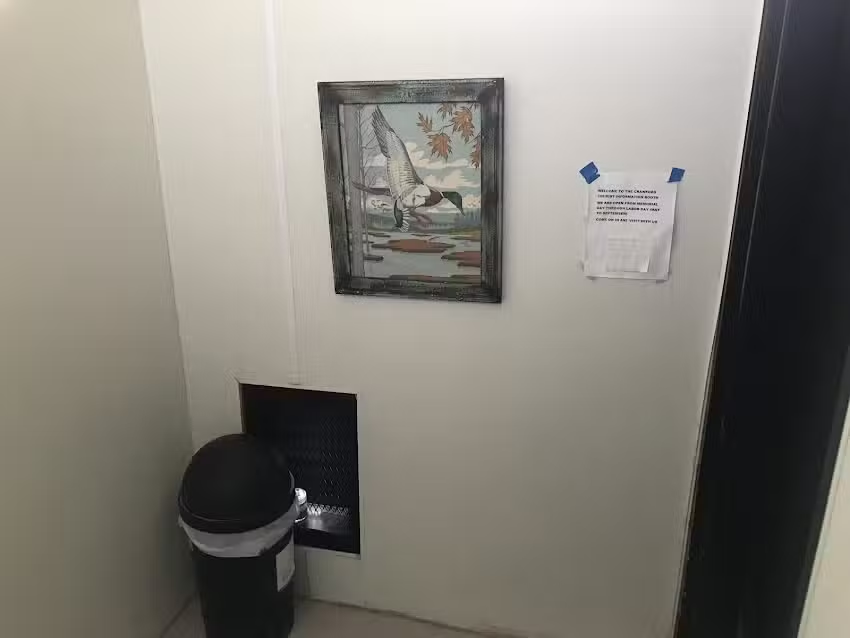
The greatest strength of the Crawford Visitor Center was its accessibility. It provided a centralized, reliable source of information that saved travelers time and uncertainty. For those embarking on adventure travel through the buttes and grasslands, the center was a reassuring presence. It not only provided practical information but also likely housed small exhibits on local history, geology, and wildlife, enriching the visitor experience from the moment they arrived. The photos of the location suggest a welcoming interior with displays that offered a preliminary introduction to the stories of the land. This initial orientation is crucial for helping visitors connect more deeply with the places they are about to see, from the history of the Buffalo Soldiers at Fort Robinson to the ancient fossils at Agate Fossil Beds.
The Negative Reality of its Closure
The most significant drawback is, unequivocally, its permanent closure. This creates an information vacuum that can be challenging for visitors, particularly those unfamiliar with the area or those who prefer face-to-face interaction over digital research. Without a central hub, the responsibility for effective travel planning falls entirely on the traveler. This can lead to missed opportunities, as lesser-known local spots or events may not have a strong online presence. The absence of a dedicated center means there is no single place to get immediate updates on road closures, park alerts, or changes in operating hours for museums and attractions. This lack of real-time, centralized communication is a tangible disadvantage for anyone trying to maximize their time in the Crawford area.
Navigating the Area Without the Visitor Center
Despite the closure, Crawford and its surroundings remain a compelling destination. Prospective visitors must simply adjust their approach to gathering information. Fortunately, several alternatives exist to fill the gap left by the visitor center.
Direct-to-Source Information
The most effective strategy is to contact attractions directly. Most major sites in the region maintain their own informational resources and visitor service centers.
- Fort Robinson State Park: The park has its own visitor center and activity center at its headquarters. This is now the primary resource for anyone visiting the park. Here, you can get maps, book trail rides, inquire about lodging, and learn about the park's extensive history. Their staff can provide the most accurate and up-to-date information on all park-related activities.
- Museums and Historic Sites: The Fort Robinson History Center and the Trailside Museum of Natural History, both located within the state park, have their own staff and information desks. Similarly, the Crawford Historical Museum can be contacted for its specific hours and exhibits.
- U.S. Forest Service: For information on the Nebraska National Forest and Oglala National Grassland, the U.S. Forest Service website and local ranger district offices are the authoritative sources.
Community and Regional Resources
While a dedicated visitor center is gone, other organizations provide broader community and tourism information.
- Crawford Chamber of Commerce: The local chamber of commerce is a valuable resource for information on local businesses, accommodations, dining, and events. Their website and office can offer insights that help in planning the non-park-related aspects of a trip.
- Regional Tourism Websites: Online portals such as "Visit Western Nebraska" and "Discover Northwest Nebraska" offer regional information that covers Crawford and its neighboring towns. These sites often feature articles, business listings, and event calendars that are useful for comprehensive Nebraska tourism planning.
In conclusion, while the permanent closure of the Crawford Visitor Center marks the end of an era for traveler assistance in the region, it does not diminish the appeal of the area's attractions. Visitors must now be more proactive, relying on direct communication with parks and leveraging online resources provided by the local chamber and regional tourism bodies. The era of one-stop travel planning in a rustic cabin may be over, but the rugged landscapes, rich history, and opportunities for adventure in and around Crawford remain fully accessible to the well-prepared traveler.