Levisa Adventures
BackLevisa Adventures, once a provider of outdoor recreational services in Grundy, Virginia, is now listed as permanently closed. This establishment aimed to position itself as a key tour operator for those seeking to experience the natural environment of the region, specifically focusing on activities along the Levisa Fork River. However, an examination of its operational history, customer feedback, and ultimate cessation of business reveals significant challenges that prevented it from establishing a sustainable presence in the local tourism services market. For any potential client, it is crucial to understand that this entity is no longer operational, and any information available should be viewed as a historical record of a business that could not overcome its internal and external pressures.
The Proposed Offering: Adventure on the Levisa Fork
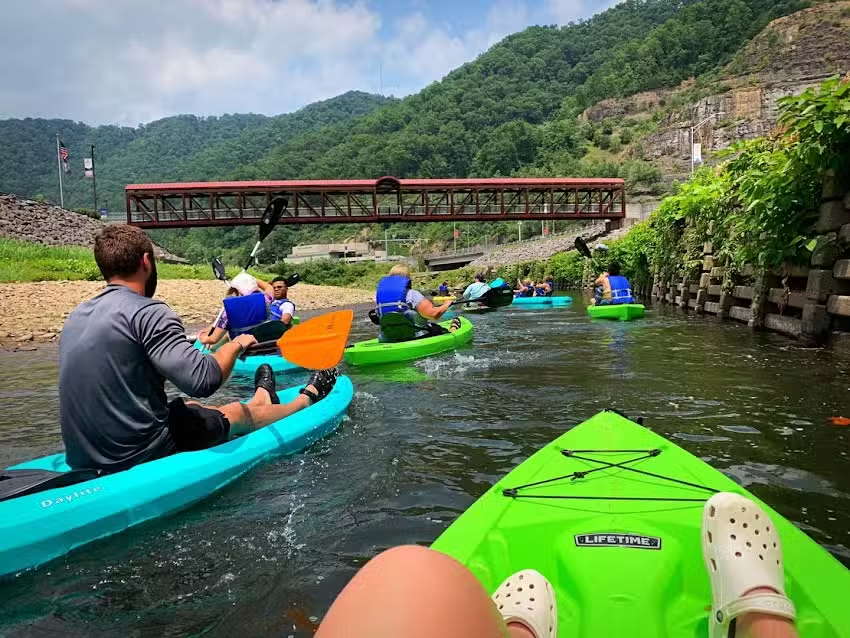
Based on its branding and available imagery, Levisa Adventures was designed to be an adventure travel company. Its core business model revolved around providing equipment rentals and potentially guided tours for activities like kayaking and canoeing. The photos associated with the business depict scenes of serene riverways and individuals enjoying water-based recreation, suggesting that the company's goal was to capitalize on the area's scenic beauty. Such businesses often attract clients looking for unique outdoor activities and an escape from urban environments. The target audience was likely a mix of local residents and visitors interested in eco-tourism and active excursions.
The appeal of such a service in the Grundy area is clear. A well-run travel agency focusing on river adventures could have become a valuable local asset, contributing to the regional economy and promoting its natural attractions. The fundamental concept of offering structured, safe, and accessible ways for people to engage with the river was promising. The success of this type of venture, however, depends almost entirely on logistical precision, excellent customer service, and robust operational management—areas where Levisa Adventures appears to have faltered significantly.
A Case Study in Operational Failure
The most detailed insight into the company's performance comes from a singular, yet highly informative, customer review. This account, which resulted in the lowest possible rating of one star, outlines a cascade of service failures that are critical for any consumer to consider when evaluating a service provider. The customer had made a reservation for a tour in Grundy, a standard step in the travel planning process. The company then canceled the booking, citing logistical problems stemming from a recent flood. While cancellations due to natural disasters are often unavoidable and understandable, the company's handling of the situation afterward is what reveals deep-seated operational weaknesses.
The client, still wishing to use their services, requested to transfer the booking to an alternative company location in Haysi. This reasonable request was denied due to a lack of available guides, which the company attributed to staffing issues. This specific failure points to a critical breakdown in resource management. For an adventure travel business, having qualified guides is not an optional extra; it is a core component of the service. The inability to staff a tour suggests either poor workforce planning or high employee turnover, both of which are red flags for business instability. It reflects a company stretched too thin, unable to meet even basic customer expectations or adapt to unforeseen changes.
The Compounding Effect of Poor Communication and Financial Handling
The negative experience was further exacerbated by the company's refund process. After the cancellation and the failed attempt to rebook, the customer had to wait eight days to receive their money back. In today's digital economy, where financial transactions are often instantaneous, such a delay is unacceptable and indicates poor administrative practices. A prolonged refund process can cause significant frustration and financial strain for a customer, turning a disappointing situation into a deeply negative one. It erodes trust and guarantees that the customer will not return, and will likely share their poor experience with others.
This entire episode highlights a lack of a customer-centric approach. A proactive and well-managed tour operator would have communicated clearly about the flood-related issues, offered immediate and viable alternatives (or a clear explanation if none existed), and processed a refund promptly and without friction. The failure to do so demonstrates a reactive, disorganized operation that was not equipped to handle the basic demands of the service industry. This single documented experience, while only one data point, is powerful enough to deter potential clients, as it touches upon multiple critical aspects of the booking process and service delivery.
The Inevitable Outcome: Permanent Closure
The designation of "permanently closed" is the final chapter in the story of Levisa Adventures. While the specific reasons for its closure are not publicly detailed, the available information allows for an informed analysis. The combination of severe operational issues, demonstrated by the public review, and the external shock of natural disasters likely created an insurmountable challenge. Small businesses, especially in the tourism services sector, are highly vulnerable to such pressures. However, businesses with strong foundations in customer service and operational efficiency are far more resilient.
The reported staffing shortages and administrative delays suggest that the company may have been struggling long before the flood created a crisis. These internal weaknesses meant it had little capacity to absorb and recover from external shocks. For prospective travelers who might have been considering vacation packages or day trips in the region, the closure of Levisa Adventures serves as a cautionary tale. It underscores the importance of vetting service providers thoroughly, looking for consistent positive reviews, and confirming their operational status before making any commitments. The market ultimately filters out businesses that cannot consistently deliver on their promises, and in this case, the evidence points to a company that was unable to provide a reliable or satisfactory experience.
In conclusion, Levisa Adventures represented a potentially valuable addition to the local tourism landscape, offering outdoor activities centered on the Levisa Fork River. However, the business was plagued by significant operational deficiencies, including poor resource management, inadequate staffing, and a flawed customer service protocol. These internal problems, likely compounded by external events like flooding, led to a highly negative customer experience and, ultimately, the company's permanent closure. Those looking for similar excursions or guided tours in the Grundy, Virginia area must now seek out alternative, currently operating, and more reputable providers.