
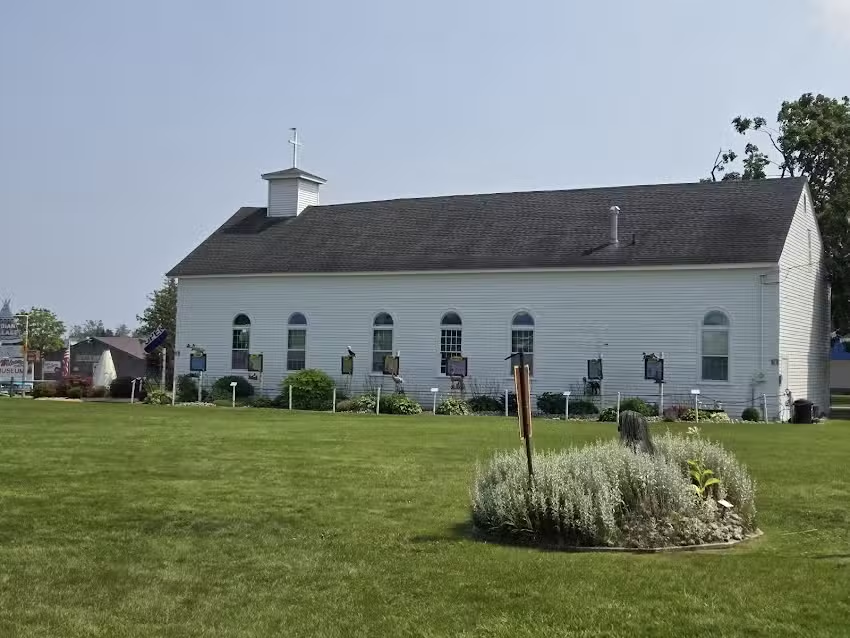
Museum of Ojibwa Culture at Old Mission Saint-Ignace
BackLocated on a site of profound historical significance, the Museum of Ojibwa Culture at Old Mission Saint-Ignace offers a deep and multifaceted look into the lives of the Great Lakes' Indigenous peoples. This institution, designated as a National Historic Landmark, stands on the ground where Father Jacques Marquette established a Jesuit mission in 1671 and also serves as his final resting place. It is not merely a collection of artifacts; it is a vital center for cultural tourism, providing an essential educational experience for anyone visiting the region. Operated by the Sault Ste. Marie Tribe of Chippewa Indians, the museum serves as a powerful testament to the resilience and enduring traditions of the Ojibwa people.
For those planning a trip, the value proposition is immediately apparent. Entry is based on donations, making it an accessible stop for all budgets, from solo travelers to large families. This welcoming approach is consistently matched by the museum's staff, who are frequently described by visitors as friendly, passionate, and exceptionally helpful, enhancing the overall experience and solidifying the museum's reputation as a top-tier tourism service provider. This personal touch transforms a simple visit into a meaningful exchange, where questions are encouraged and stories are shared with genuine enthusiasm.
An Immersive Journey Through History
The museum itself, housed in a historic church building moved to the site, is deceptively comprehensive for its size. Visitors are greeted by large, impactful photographic enlargements of Native people, immediately setting a tone of respect and presence. The exhibits thoughtfully chronicle the Ojibwa migration story, the complex interactions between Native and French cultures, and the lasting impact of European settlement. Displays feature archaeological artifacts unearthed from the site itself—one of the oldest documented archaeological sites in Michigan—alongside videos and interpretive panels that bring the history to life. This rich presentation of tourist information allows for a self-paced yet deeply informative journey through centuries of history.
The narrative presented is layered. It celebrates the ingenuity of the Ojibwa and Huron people, showcasing traditional clothing, intricate beadwork, and tools that demonstrate a profound harmony with the harsh Great Lakes environment. At the same time, it does not shy away from the more painful aspects of history. The museum addresses the irreversible changes brought by missionaries and the establishment of Indian boarding schools, such as the nearby Holy Childhood of Jesus school in Harbor Springs. This willingness to confront a difficult past leaves many visitors with a heavy heart but also a more complete and honest understanding of the historical forces that have shaped the region. It is this commitment to an unfiltered narrative that makes the museum a crucial stop for anyone seeking authentic travel experiences.
Beyond the Museum Walls: The Outdoor Experience
A significant part of the appeal extends to the museum's grounds, which are an integral part of the visit. Guests can walk through a replica of a Huron longhouse, a permanent dwelling that would have housed an entire clan, offering a tangible sense of community life. The outdoor space also includes the serene Medicine Wheel Garden and the impressive Anishinaabe Sculpture and Clan Park. This park features large-scale sculptures by Michigan artists that depict scenes of traditional life—a fisherman, a medicine man, a woman gathering berries—and represent the various Ojibwa clans and their responsibilities. These outdoor exhibits encourage quiet reflection and provide a powerful connection to the living culture and spiritual beliefs of the Ojibwa people, making the museum a standout among local attractions.
A Hub for Authentic Art and Knowledge
The museum's gift shop is consistently highlighted as a major positive, far exceeding the typical souvenir outlet. It functions more as a gallery and specialty bookstore. The shop features a vast selection of hand-crafted items from Native American and Native Canadian artists, including jewelry, knives, and dream catchers. Visitors praise the exceptional artistry and craftsmanship, viewing their purchases as a direct way to support Indigenous artisans. Furthermore, the book selection is noted as being extensive, offering deep dives into Ojibwa culture, language, and history for those wishing to continue their learning. For many, a visit here is a key part of their vacation planners, scheduling time specifically to browse the unique offerings. An additional shop across the street, while focused more on general trinkets and apparel like t-shirts and moccasins, provides another retail option with excellent views of the lake.
Points of Consideration for Potential Visitors
While the praise for the Museum of Ojibwa Culture is overwhelming, prospective visitors should be aware of a few key points to ensure the best experience. A minor but recurring piece of feedback is that the lighting in some of the indoor exhibits, particularly those further back in the museum, could be improved to better illuminate the artifacts on display. This is a small logistical issue in an otherwise well-curated space.
More importantly, travel planners should note that the museum operates on a seasonal basis, typically opening around Memorial Day. It is crucial to verify their current operating hours on their official website or by phone before planning a visit to avoid disappointment, especially if traveling during the off-season. Finally, it is important to approach a visit with the right mindset. The subject matter is profound and deals with themes of cultural loss and genocide. While it is an incredibly educational and enriching experience, it is also a sobering one that invites deep reflection rather than casual entertainment. This emotional depth is a strength of the museum, contributing to its lasting impact on visitors.
Conclusion: An Essential Destination for Heritage Tourism
The Museum of Ojibwa Culture is far more than a simple historical museum; it is a cornerstone of heritage tourism in the Great Lakes region. Its strength lies in its authenticity, from the artifacts recovered from the ground it stands on to the handmade crafts in its gift shop and the living traditions showcased in its outdoor park. By offering a platform for the Ojibwa story—told with honesty, respect, and a deep sense of place—it provides an invaluable educational resource. For any traveler whose itinerary includes the Straits of Mackinac, a visit here is not just recommended; it is an essential component for understanding the soul of the region. It offers a powerful opportunity to engage with a vibrant, enduring culture and to leave with a deeper appreciation for the history and people who have defined this land for millennia.