
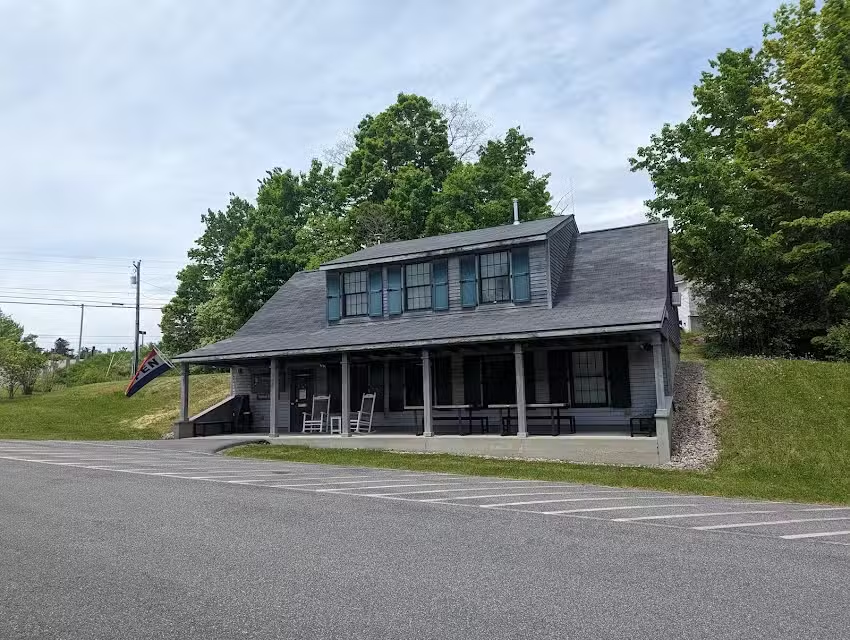
St Croix Island Visitor Center
BackA Deep Dive into the St. Croix Island Visitor Center: A Crucial Stop for Historical Tourism
Positioned at 84 St Croix Drive in Calais, Maine, the St. Croix Island Visitor Center operates not as a conventional travel agency that books flights and hotels, but as a vital destination for cultural tourism. Managed by the U.S. National Park Service, this establishment serves as the interpretive heart of the St. Croix Island International Historic Site. With a near-perfect visitor rating of 4.7 out of 5 stars from over 130 reviews, it stands out as a significant point of interest. Its primary function is to recount the harrowing and pivotal story of one of North America's earliest European colonization attempts, the French settlement of 1604. This predates both Jamestown and Plymouth, making it a foundational site in the history of both Canada and the United States. For travelers crafting their holiday planning, especially those traversing the scenic routes of Downeast Maine, this center offers a profound educational experience rather than transactional travel services.
The Merits: What Makes the Visitor Center a "Must-Stop"
The overwhelming sentiment from visitors is positive, and for good reason. The center excels in bringing a complex history to life, making it a cornerstone for any Maine tourism itinerary focused on history and heritage.
A Glimpse into a Perilous Past
The core of the visitor experience is the compelling narrative of Pierre Dugua, Sieur de Mons, and his expedition, which included cartographer Samuel de Champlain. In 1604, they established a settlement on the island, hoping it would be a defensible, year-round colony. However, the brutal winter that followed proved catastrophic. Isolated by ice and cut off from fresh food and water on the mainland, nearly half of the 79 men perished from scurvy. The visitor center's exhibits meticulously detail this struggle for survival, the eventual relocation to Port Royal in Nova Scotia, and the crucial assistance provided by the local Passamaquoddy people, who have inhabited these lands for thousands of years. The displays, artifacts, and ranger-led programs offer a somber but fascinating look at the perseverance and tragedy that marked the beginning of a permanent French presence in North America. This rich historical context is a significant draw for anyone interested in authentic historic sites.
Exceptional Facility and Staff
Visitors consistently praise the quality of the small, well-maintained Ranger Station. The information is presented clearly, and the staff are noted for being exceptionally kind, knowledgeable, and engaging. This level of service enhances the educational value and ensures a positive experience. Outside, a short and easily accessible interpretive trail leads visitors towards the coast. This path is adorned with bronze sculptures depicting the French settlers and the Passamaquoddy, adding a tangible, artistic dimension to the historical narrative. The walk offers beautiful views of the St. Croix River and the island itself, and as one visitor delightfully noted, the quiet environment can even afford a chance to hear whales in the distance. For those on extended road trips, the thoughtful provision of parking suitable for RVs and trailers is a significant practical advantage.
Points of Consideration: Managing Visitor Expectations
While the visitor center is highly rated, potential visitors must understand its specific purpose and limitations to avoid disappointment. Effective destination management involves setting clear expectations.
The Most Critical Fact: You Cannot Visit the Island
This is the single most important piece of information for anyone planning a visit: there is no public access to St. Croix Island itself. The island is a protected International Historic Site, and access is restricted to preserve its fragile archaeological resources, including the remains of the original settlement and burial grounds. The visitor center and its grounds on the mainland are designed specifically to be a viewing and interpretation point. From the shoreline, you can see the island where history unfolded, but you cannot set foot on it. This policy is a responsible measure of historical preservation, but it can be a point of confusion for those who arrive expecting a ferry or bridge. Understanding this in advance is key to appreciating the site for what it offers.
Scope and Scale
As noted in several reviews, the site is relatively small. It is best viewed as an impactful and highly educational stop, likely lasting one to two hours, rather than an all-day destination. This makes it a perfect addition to a larger Downeast Maine itinerary, fitting in well with other regional attractions. Its limited hours—being closed on Tuesdays and Wednesdays—also require careful holiday planning. Visitors should always verify the current operating hours on the official NPS website before making the trip.
Who Will Get the Most Out of a Visit?
The St. Croix Island Visitor Center is an ideal destination for a specific type of traveler. It strongly appeals to:
- History Aficionados: Anyone with an interest in early North American history, colonial beginnings, or Franco-American heritage will find the site deeply rewarding.
- Educational Travelers: Families, students, and lifelong learners will appreciate the well-presented information and the poignant story of survival.
- Road Trippers: Its location on U.S. Route 1 makes it a convenient and worthwhile stop for those exploring the coast of Maine, especially in RVs or campers.
- Seekers of Cultural Tourism: Travelers looking to connect with the deep history of a region, including its indigenous roots and international significance, will find the site compelling.
It may be less suited for those seeking active adventure travel or extensive hiking, as the on-site trail is short. However, its scenic beauty and quiet, contemplative atmosphere offer a different kind of reward.
Conclusion: An Essential Hub for Historical Understanding
In the broad field of tourism, the St. Croix Island Visitor Center carves out a unique and valuable niche. While it isn't a tour operator, it provides an indispensable service by preserving and interpreting a critical chapter of history. It offers a powerful lesson in resilience, the consequences of unpreparedness, and the complex interactions between European settlers and Indigenous peoples. For travelers to Downeast Maine, it is a highly recommended stop that provides context to the entire region's past. By understanding its purpose and its primary limitation—the inability to access the island—visitors can fully appreciate this beautifully executed National Park Service site for the profound and moving experience it is designed to be.