Kauffman Museum
BackLocated on the campus of Bethel College, the Kauffman Museum presents a focused and deeply personal narrative of the Kansas prairie, distinguishing itself as a premier tourist attraction for those interested in the intertwined stories of natural history and cultural settlement. Its primary mission is to document and interpret the history of the Mennonite people who immigrated to the central plains from Russia and Prussia in the 1870s, and it executes this mission with considerable care and detail. The museum offers more than just static displays; it provides a comprehensive experience that includes indoor galleries, outdoor historical reconstructions, and natural prairie landscapes.
The Visitor Experience: Strengths and Highlights
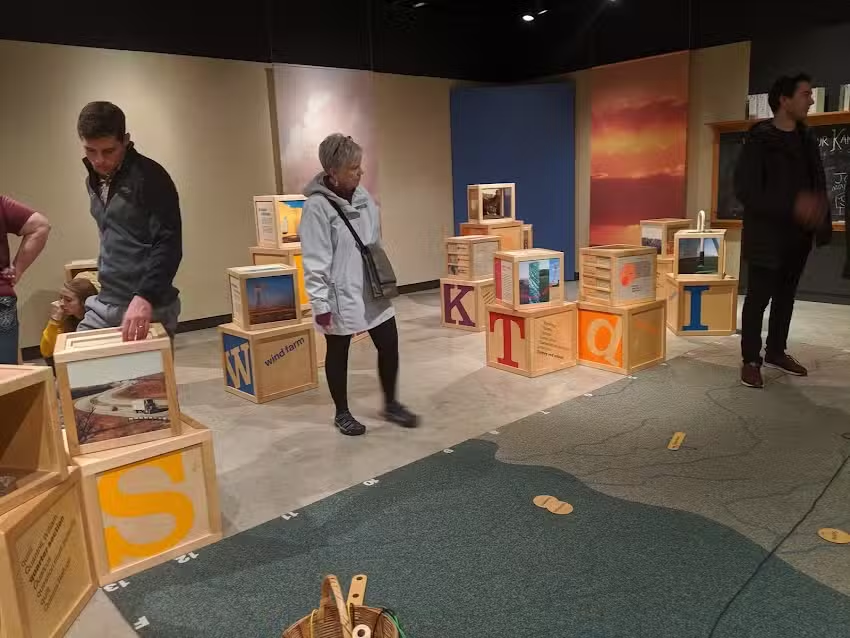
Upon entering the main building, visitors are met with the core exhibit, "Of Land and People." This well-regarded permanent installation serves as the museum's anchor, telling the story of the Mennonites' journey and adaptation to a new life on the plains. The artifacts on display are both historically significant and personally resonant, ranging from large pieces of farm equipment that broke the prairie sod to intricate woodwork and furniture crafted by the settlers themselves. One of the most praised collections features Mennonite immigrant furniture, with some pieces dating back to before 1790, carried across oceans to new homes in America. This collection offers a tangible connection to the past, showcasing the craftsmanship and resilience of the community.
A significant element that elevates the Kauffman Museum, particularly for those engaged in heritage travel, is its collection of original 17th-century copperplates used to print the Martyrs' Mirror. This book is a cornerstone of Anabaptist and Mennonite faith, and seeing the plates firsthand is often described by visitors as a sobering and profound experience. This specific focus provides a unique draw that similar regional history museums may lack, creating a destination for a specific and appreciative audience.
The museum's appeal is not limited to adults or history scholars. Multiple accounts highlight its success in engaging younger audiences. School field trips are a common sight, and the feedback is consistently positive, noting that the material is presented in a way that captivates elementary school students. The tour guides are frequently commended for their ability to make history accessible and interactive, ensuring that a family day trip can be both educational and entertaining for all ages. This makes it a reliable addition to any family's travel itinerary when visiting the region.
Beyond the Galleries: An Outdoor Dimension
A major advantage of the Kauffman Museum is that the experience extends beyond its walls. The grounds feature a historic farmstead, complete with a preserved homestead, a barn, and heritage gardens. This allows visitors to step directly into the world the exhibits describe. Surrounding this area is a 1.5-acre tallgrass prairie reconstruction, populated with native grasses and over 100 species of wildflowers. This commitment to natural history provides a layer of eco-tourism to the visit. Visitors often speak highly of the hiking trails around the property, which connect to the broader North Newton trail system, offering a chance for quiet reflection and physical activity after absorbing the history inside. The grounds are always open, providing a community resource even outside of museum hours.
Practical Considerations and Potential Drawbacks
While the overall reception for the Kauffman Museum is overwhelmingly positive, with a high rating based on numerous reviews, potential visitors should be aware of a few practical limitations. The most significant factor to consider in your travel planning is the museum's operating hours. It is closed every Monday and on major holidays. Furthermore, the weekend hours are quite restrictive, open only from 1:30 PM to 4:30 PM on Saturdays and Sundays. Weekday hours are more generous, running from 9:30 AM to 4:30 PM. This schedule requires visitors to plan their arrival carefully to avoid disappointment.
Another point to consider is the museum's specific focus. The deep dive into Mennonite history is a tremendous strength and a key differentiator. However, for a general tourist with no prior knowledge of or interest in this specific cultural group, the detailed narrative might feel niche. While the exhibits on prairie life and Kansas settlement have universal appeal, the central story is undeniably that of the Mennonite people. This is not a flaw in the museum's design—it is its stated purpose—but it is a crucial piece of information for managing visitor expectations.
Finally, the location in North Newton, while accessible from Interstate 135, means that the museum is not situated in a major metropolitan tourist hub. A visit here is often a destination in itself rather than one of many stops in a large city. This may require more deliberate planning for those accustomed to building vacation packages around urban centers.
Conclusion: A Valuable Destination for the Curious Traveler
The Kauffman Museum stands out as a thoughtfully curated institution that successfully blends cultural history, natural science, and personal stories. Its strengths lie in its well-designed and educational exhibits, the unique and significant artifacts related to Mennonite heritage, and the beautiful outdoor spaces that complement the indoor galleries. It is a highly recommended destination for families, history enthusiasts, and anyone undertaking cultural tourism to understand the forces that shaped the American plains. While the limited hours and niche focus require consideration, these are minor points when weighed against the quality and depth of the experience offered. For those whose interests align with its mission, the Kauffman Museum provides a rich and memorable look into the history of Kansas and its people.